

If you’re wondering whether you can negotiate an apartment application fee waived, you’re asking the right question before you pay — not after. When you’re applying to three or four apartments, those per-applicant fees stack up fast, and for a first-time renter watching every dollar of move-in costs, they sting.
The short version: yes, application fees are sometimes negotiable — but “just ask” is incomplete advice. Who you ask, when you ask, and what you offer in return decide whether you hear yes. Below are six copy-paste scripts built for the situations first-time renters actually face, plus the fee basics you need so you ask for the right thing. (Part of our Budgeting & Renting Costs series.)
Direct answer: Yes — you can sometimes get an apartment application fee waived by asking. Your odds are best with small landlords, during slow leasing months, when you offer your own recent screening report, or when you apply to multiple units at one property. Ask before you pay, get any yes in writing, and never pay a fee you don’t understand.
Executive summary

Application fees exist to cover tenant screening — usually a credit check and a background check — and once paid they are typically non-refundable. But the application fee is only one of three upfront charges you’ll run into, and each one behaves differently. Knowing which fee is which keeps you from negotiating the wrong one or paying for something twice.
The six scripts below cover the situations where a waiver is most realistic: questioning what the fee covers, supplying your own screening report, applying to two units at once, timing your application for a slow stretch, committing to sign on the spot, and tailoring the ask to a small landlord versus a large management company. Pick the script that matches your situation — the exact words are ready to copy.
1. Are Application Fees Negotiable?

Sometimes — and the answer depends almost entirely on who sets the fee. A small landlord decides on the spot and can waive a fee with a sentence. A leasing agent at a large complex usually follows company policy set at corporate, which means the person in front of you may genuinely not have the power to say yes. That doesn’t make asking pointless; it changes what you ask for (more on that in Script 6).
Market conditions matter too. A building with several vacant units is losing money every day those units sit empty, and a waived $50 fee is a cheap way to fill one. A building with a waiting list has no reason to budge. You don’t need insider data to read this — if the listing has been up for weeks or the agent mentions they’re running specials, you have leverage.
Two reassurances for first-time renters: a polite, one-time ask does not hurt your application. Leasing agents hear fee questions every day; asking signals you’re budget-aware, not difficult. And if the answer is no, you’ve lost nothing — you simply decide whether the apartment is worth the fee.
One legal note: a handful of states cap application fees or limit them to the landlord’s actual screening costs, and those caps can change. Check your state’s current rules before you apply.
2. Application Fee vs. Admin Fee vs. Holding Deposit

Before you negotiate, make sure you’re negotiating the right charge. Listings and leases throw around three different fees, and they are not interchangeable:
| Fee | What it pays for | Usually refundable? | Waiver chances |
|---|---|---|---|
| Application fee | Tenant screening: credit check, background check | Usually not | Best odds — tied to a cost the landlord can avoid |
| Admin fee (sometimes called a processing fee) | Lease paperwork, unit preparation | Usually not | Possible, but often fixed at corporate-managed properties |
| Holding deposit | Reserves the unit while your application is reviewed; typically applied to your security deposit or first month’s rent if you’re approved | Often credited, not refunded as cash — terms vary widely | Negotiable as an amount or timing; get the terms in writing |
The application fee is your best target because it maps to a specific expense — running your screening. Anything you do to remove that expense (like handing over your own recent report) gives the landlord a reason to say yes. Admin fees are murkier; ask what they cover before you challenge them. Holding deposits aren’t really a “fee” at all — they’re your money held against a future bill — so negotiate the amount or the due date rather than asking for it to disappear.
3. Script 1: Ask What the Fee Covers

When to use it: At the start of any application, before you’ve paid anything. This is the foundation every other script builds on.
Why it works: Most renters pay the fee without a single question, which means most landlords never have to justify it. Asking what it covers does two things: it sometimes reveals the fee is discretionary or already covered by a promotion, and it signals you’re paying attention — which makes the agent take the rest of your asks more seriously.
Copy-paste script (email or text to the leasing agent or landlord):
Hi [name], I’m interested in [unit/address] and plan to apply this week. Before I do — could you tell me exactly what the application fee covers? And is it ever waived, for example during a promotion or if I provide my own recent screening report? Thanks, [your name]
If they say no: Thank them and pivot, don’t push. “Thanks for clarifying — are you running any move-in specials right now that reduce other upfront costs?” One graceful follow-up keeps the door open without making you the applicant who argues about $50.
4. Script 2: Offer Your Own Screening Report

When to use it: You’ve already pulled your own credit and background report recently — or you’re willing to before applying.
Why it works: The application fee exists to pay for screening. If you hand the landlord a recent report, the cost the fee was covering shrinks or disappears, which gives them a concrete reason to waive it. This is the strongest logical case of the six.
Two caveats first: many landlords run their own screening regardless of what you provide, so ask before you spend money on a report. And landlords who do accept outside reports usually want them recent — within the last 30 days is a common expectation. You can review your own credit information for free through AnnualCreditReport.com; if the landlord names a specific screening service they accept, use that one.
Copy-paste script (email with the report attached):
Hi [name], I pulled my own credit and background report on [date] — it’s less than 30 days old, and I’ve attached the PDF. Would you accept it instead of running a new screening, and waive the application fee since there’s no screening cost to cover? Happy to answer any questions about it. Thanks, [your name]
If they say no: Ask whether they’d accept it to speed up approval even if the fee stands — a faster approval still has value when you’re racing other applicants. And gather your paperwork now using our rental application documents checklist so you’re ready either way.
5. Script 3: Two Units, One Screening
When to use it: You’re torn between two units or floor plans at the same complex — or you want a backup in case your first choice falls through.
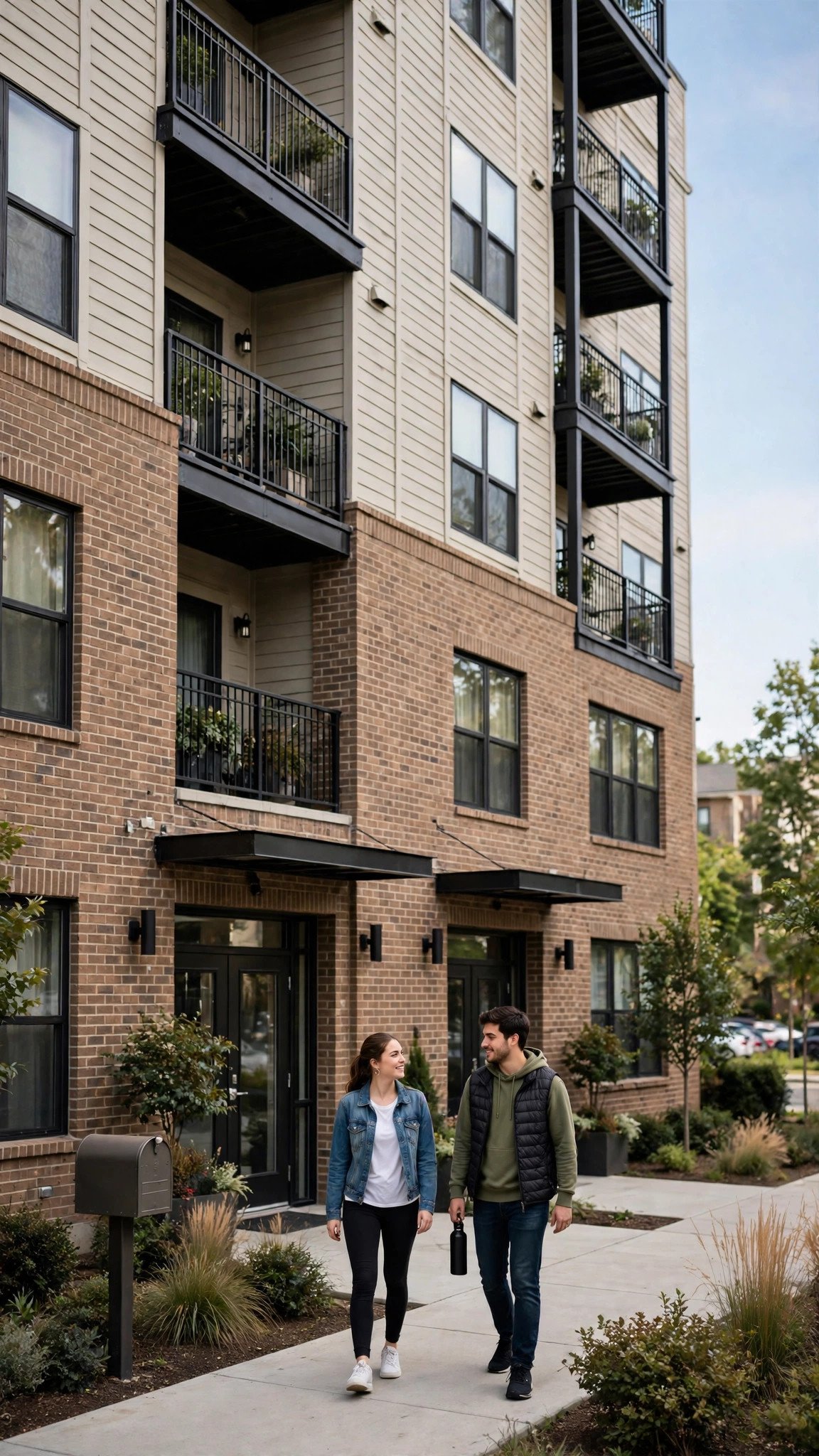
Why it works: Screening verifies the applicant, not the apartment. Running your credit twice for two units in the same building is pure duplicate cost, and most leasing agents know it. You’re not asking for something free; you’re asking them not to charge you twice for one check.
Copy-paste script (in person or email):
I’m deciding between [Unit A] and [Unit B], and I’d like to apply for both so I don’t lose either one. Since it’s one screening on one applicant, would you waive the second application fee?
If they say no: Ask for the next-best version: “Could I apply for my first choice now, and hold the second unit without a second fee until I hear back?” Some complexes will do this informally even when policy says otherwise.
6. Script 4: Apply During the Slow Season
When to use it: You’re touring or applying when the building clearly isn’t busy — winter in colder states, mid-month, or any time the agent mentions vacancies or specials.
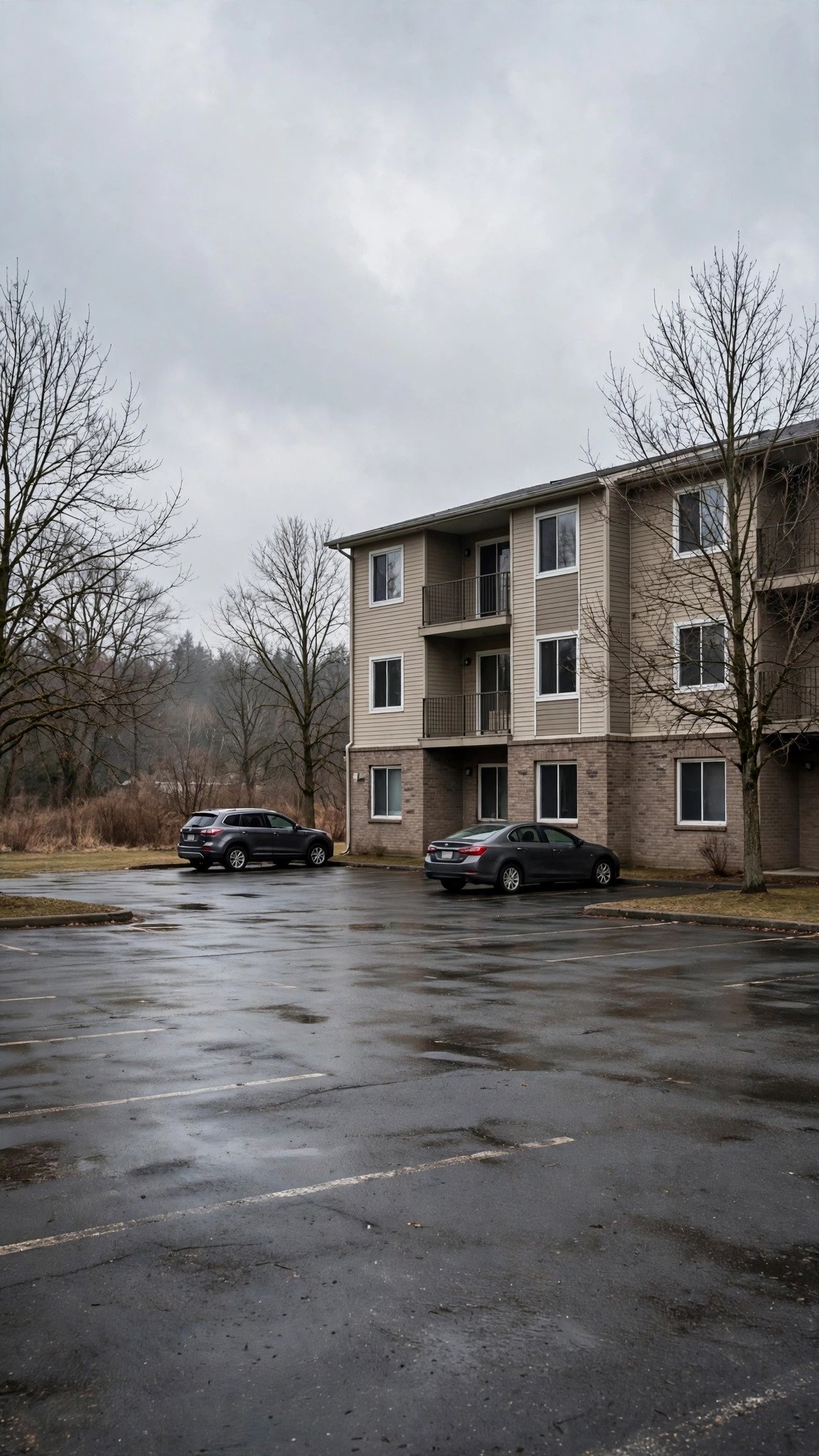
Why it works: An empty unit costs a landlord far more per day than your application fee is worth. During slow stretches, leasing offices are often explicitly authorized to offer concessions — waived fees, reduced deposits, a free month — to get leases signed. You’re not begging; you’re giving them an easy win during a hard month.
Copy-paste script (in person, right after the tour while interest is warm):
I’d like to apply today. I know this is usually a slower leasing period — are you running any specials right now, like a waived application fee?
Timing tip: Don’t bluff about market conditions the agent understands better than you do. This script lands best when the slowness is visible — few cars in the lot, a “now leasing” banner that’s been up a while, or the agent volunteering that they have several units open.
7. Script 5: Pair the Ask With a Sign-Today Commitment

When to use it: You’ve toured, you love the unit, and you’re genuinely ready to sign the lease and pay the deposit immediately upon approval.
Why it works: Certainty is the most valuable thing a renter can offer. A landlord trading a $50 fee for a signed lease today — instead of weeks more vacancy — is making a rational deal, not doing you a favor. Frame it that way.
Copy-paste script (in person):
If my application is approved, I’m prepared to sign the lease and pay the deposit today. Would you waive the application fee for an applicant ready to commit right now?
Only say it if you mean it. Bluffing a same-day commitment and then stalling destroys your credibility for every later negotiation — deposit terms, move-in date, everything. Before you promise, read our guide on things to know before signing your first U.S. lease so the commitment you’re offering is one you’ve actually thought through.
8. Script 6: Read the Room — Landlord or Manager?

When to use it: Choosing your words based on who you’re actually talking to. This isn’t a separate moment — it’s the framing you wrap around any of the scripts above.
Why it works: A small landlord with a few units decides everything personally and responds to honest, human budget talk. A leasing agent at a large company follows policy and responds to questions about promotions and programs — asking them to break a rule puts them in an awkward spot, while asking about existing specials lets them help you. Match the ask to the audience.
Copy-paste script — small landlord (in person, conversational):
I really like the place and I’d love to apply. I’m working with a tight move-in budget — is there any flexibility on the application fee?
Copy-paste script — large management company (email, policy-aware):
Hi [name], I’m preparing my application for [unit]. Does [company] ever waive the application fee — for example during leasing specials, or for applicants who provide their own screening report? Thanks, [your name]
Notice the difference: the landlord version is personal and direct; the company version asks about programs, not exceptions. Never ask a front-desk agent to “just waive it as a favor” — you’re asking them to risk their job for a stranger.
FAQ
Does asking for a waiver hurt my chances of getting the apartment?
No. A polite, one-time ask is routine — leasing agents hear fee questions daily. Ask once, accept the answer gracefully, and move on. Repeated haggling is what leaves a bad impression, not the initial question.
Can I get the fee refunded if my application is denied?
Usually not — application fees are typically non-refundable once paid, which is exactly why negotiating before you pay matters more than chasing a refund after.
What if they say the fee is non-negotiable company policy?
Believe them and pivot. Ask whether any current move-in specials reduce your other upfront costs — a reduced admin fee or a deposit special can save you more than the application fee would have.
Should I pay the application fee before touring the unit?
No. Tour first, apply second. Any listing that demands a fee before you’ve seen the place in person is a red flag — legitimate landlords want you to see the unit before either of you commits.
How else can I reduce my upfront apartment costs?
Beyond the application fee: ask what the admin fee covers and whether it’s flexible, ask about the timing of the holding deposit, and get every fee in writing before you pay. Small, specific questions asked early beat broad haggling later.
Is it legal for landlords to charge application fees?
Yes, in most places. A handful of states cap the amount or limit fees to actual screening costs — and those rules can change, so verify your state’s current law before applying.
Can I get the fee waived if I have no credit history?
It’s harder via the screening-report script, since there’s less of a report to offer — but the slow-season, sign-today, and small-landlord scripts don’t depend on your credit at all. Lead with those.
Conclusion

Whether you can negotiate an apartment application fee waived comes down to asking the right person, at the right moment, with something real to offer in return — your own screening report, a same-day signature, or simply showing up when the building needs tenants. Even one waived fee is genuine money back in a move-in budget where every dollar is already spoken for. Save these six scripts before your next tour, share them with anyone apartment-hunting on a tight budget, and always ask before you pay: the worst answer is no, and the best one wipes the fee out entirely.

Maren started MyFirstLease after a rough first lease taught him everything the internet didn’t. He covers the logistical side of renting — move-in checklists, utilities, and the unglamorous first-week stuff nobody explains — and oversees everything published on the site.