
Transitioning to independent living while renting on minimum wage requires careful financial planning and a strict assessment of your basic needs. When every dollar matters, finding an affordable place to live means balancing your monthly income against non-negotiable living costs. This guide is designed for anyone navigating a low income apartment search, providing realistic steps to secure a lease and maintain long-term financial stability.
Moving into a new space involves upfront costs that go far beyond the monthly rent payment. A successful transition requires mapping out security deposits, utility activation fees, and basic moving expenses before signing any legal documents. Understanding exactly how much cash you need on day one prevents you from starting your lease in debt and reduces the stress of moving.

This comprehensive guide breaks down 18 practical strategies for managing your finances, from creating an accurate apartment expenses list to reducing your monthly utility consumption. By utilizing financial tools and setting clear savings targets, you can establish a comfortable, secure living situation without relying on high-interest credit or compromising your financial future.
1. Calculate Your Net Income
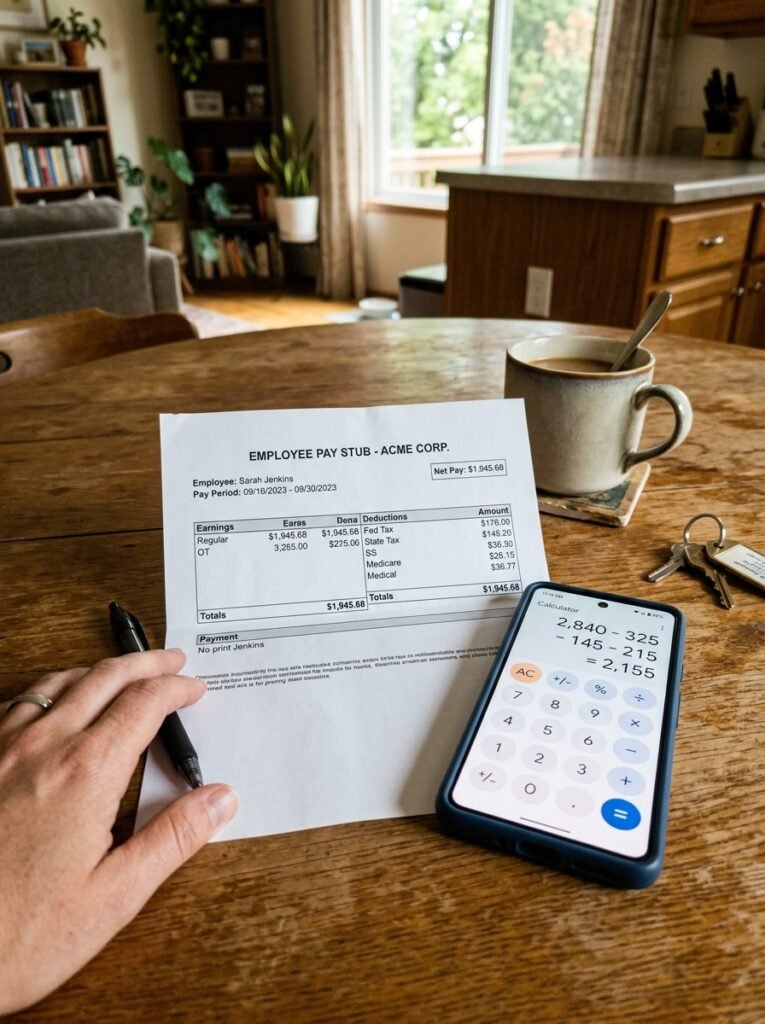
Your take-home pay is the absolute foundation of your entire financial plan. Rather than looking at your hourly rate or gross salary, look at your recent pay stubs to determine exactly how much cash lands in your bank account after taxes and deductions. Building a first time renter low income plan on gross income often leads to signing a lease you cannot actually afford.
2. Apply the 30% Guideline

Financial standards generally recommend spending no more than 30% of your gross income on housing. When working with a minimum wage apartment budget, keeping your rent as close to this threshold as possible leaves crucial room for utilities, groceries, and transportation. If local rent prices make the 30% rule impossible, aim for the lowest comfortable percentage and offset the difference by aggressively reducing other living costs.
3. Download a Budget Worksheet
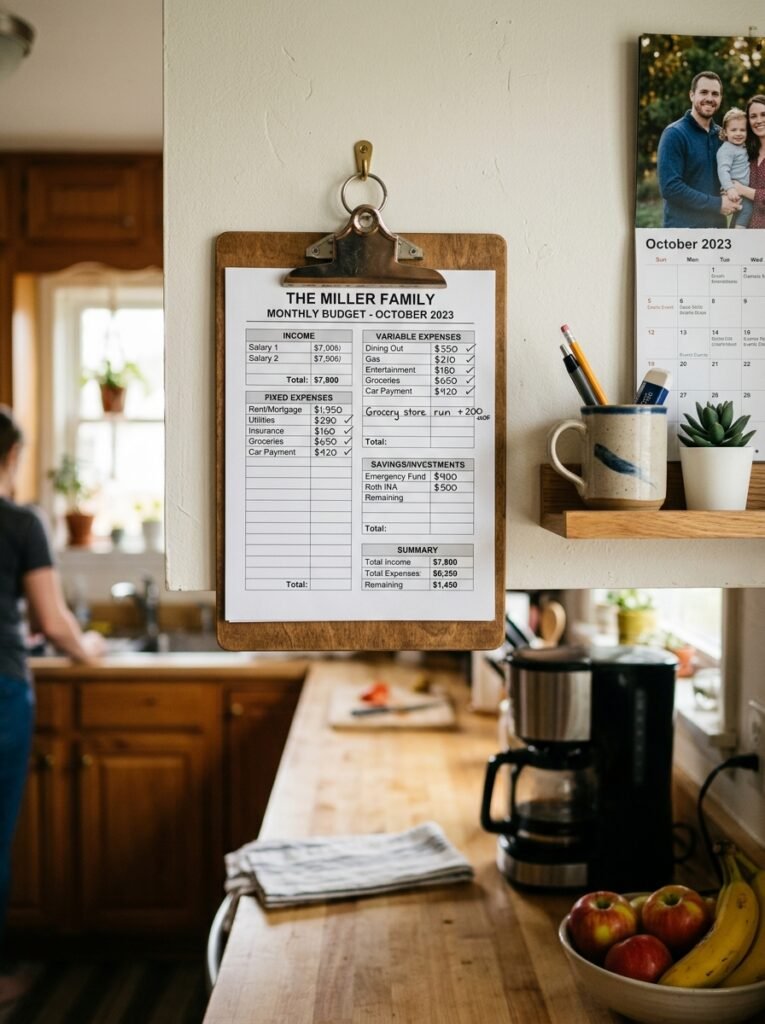
Writing down your numbers creates necessary accountability. Printing a physical first apartment budget worksheet pdf allows you to map out your monthly cash flow visually. Group your fixed costs (rent, car insurance) separately from variable costs (food, entertainment) so you know exactly which categories can be reduced if money gets tight during the month.
4. Open Dedicated Savings Accounts
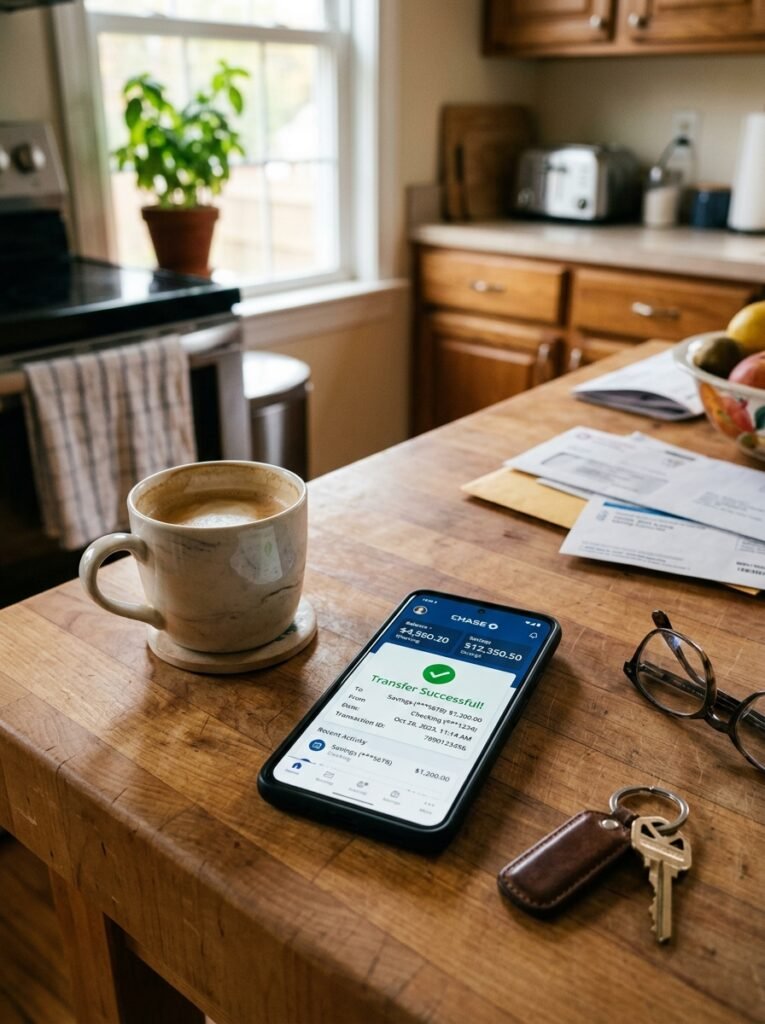
Mixing your rent money with your daily spending money often leads to accidental overspending. Set up a separate, fee-free savings account specifically for your housing fund. If you are figuring out how to save up for an apartment in 3 months, immediately transferring a set amount into this dedicated account every payday is the most reliable method for building your deposit.
5. Track Variable Living Expenses
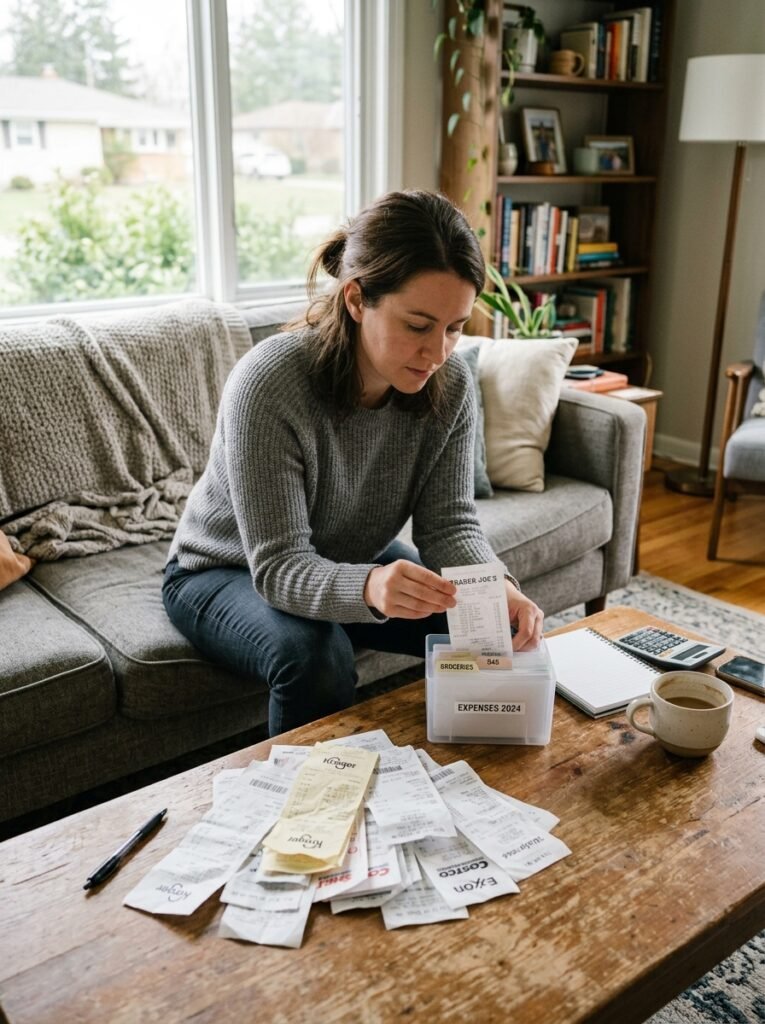
Food, transportation, and daily essentials fluctuate drastically depending on your habits. Before moving out, track every dollar you spend for thirty days to establish a realistic baseline. This practice highlights exactly where your money goes and reveals discretionary spending that can be redirected toward your apartment fund.
6. Split Costs With Roommates

Sharing a living space is often the most effective way to afford a comfortable home on a tight budget. Splitting rent, internet, and utility bills in half instantly drastically lowers your monthly overhead. When exploring a budget friendly apartment guide, living with roommates is frequently the primary strategy for bypassing strict landlord income requirements.
7. Search Off-Peak Rental Seasons
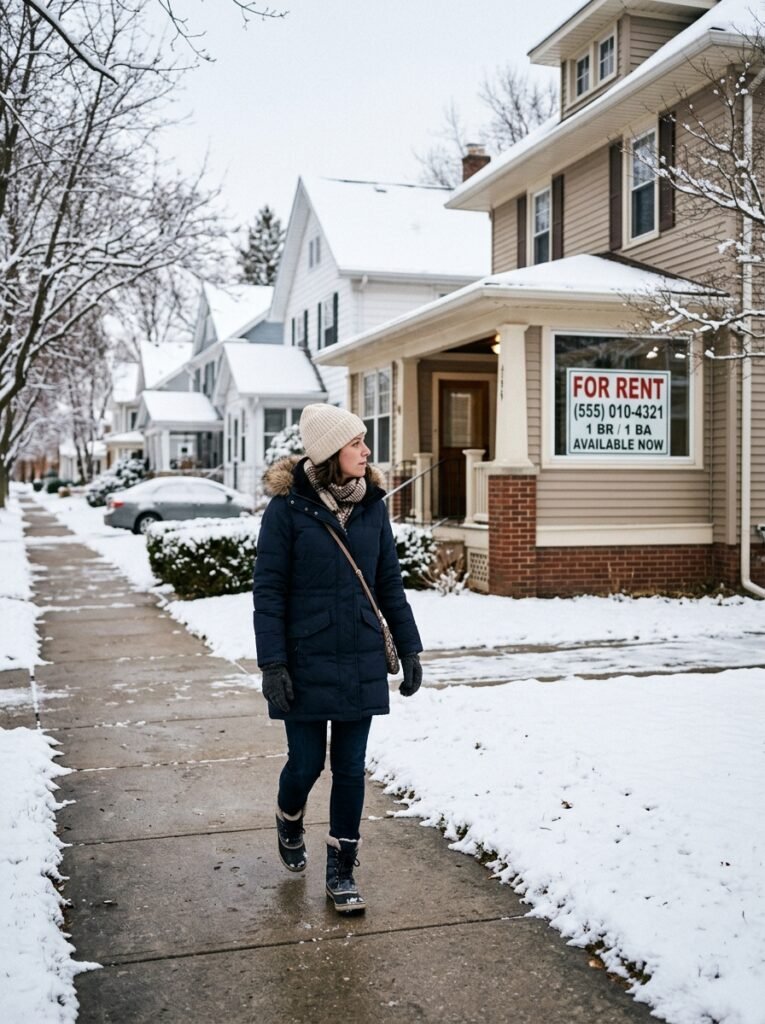
The rental market fluctuates throughout the year, with peak demand usually occurring between May and September. Searching for a cheap first apartment during the winter months often yields lower rental rates and move-in specials. Landlords are typically more willing to negotiate lease terms when fewer people are actively looking to move.
8. Find Private Independent Landlords

Large corporate apartment complexes usually run automated credit and income checks that strictly require applicants to make three times the monthly rent. Independent landlords manage their own properties and are often more flexible. They may be willing to approve your application based on a strong rental reference, a co-signer, or proof of consistent employment history.
9. Save For Upfront Fees

Signing a lease requires significantly more cash than just the first month of rent. Prepare for application fees, background check costs, and a security deposit (which is typically equal to one month’s rent). Depending on your local utility providers, you may also need to pay activation fees or deposits to get the electricity and internet turned on.
10. Source Secondhand Furniture Basics

You do not need a fully furnished apartment on day one. Focus only on immediate necessities: a mattress, basic cooking utensils, and a place to sit. Scour local thrift stores, online classifieds, and neighborhood groups for tables and chairs. When you are ready to add warmth to the space, utilize budget home decor strategies to furnish the apartment without taking on retail debt.
11. Compare Renters Insurance Policies
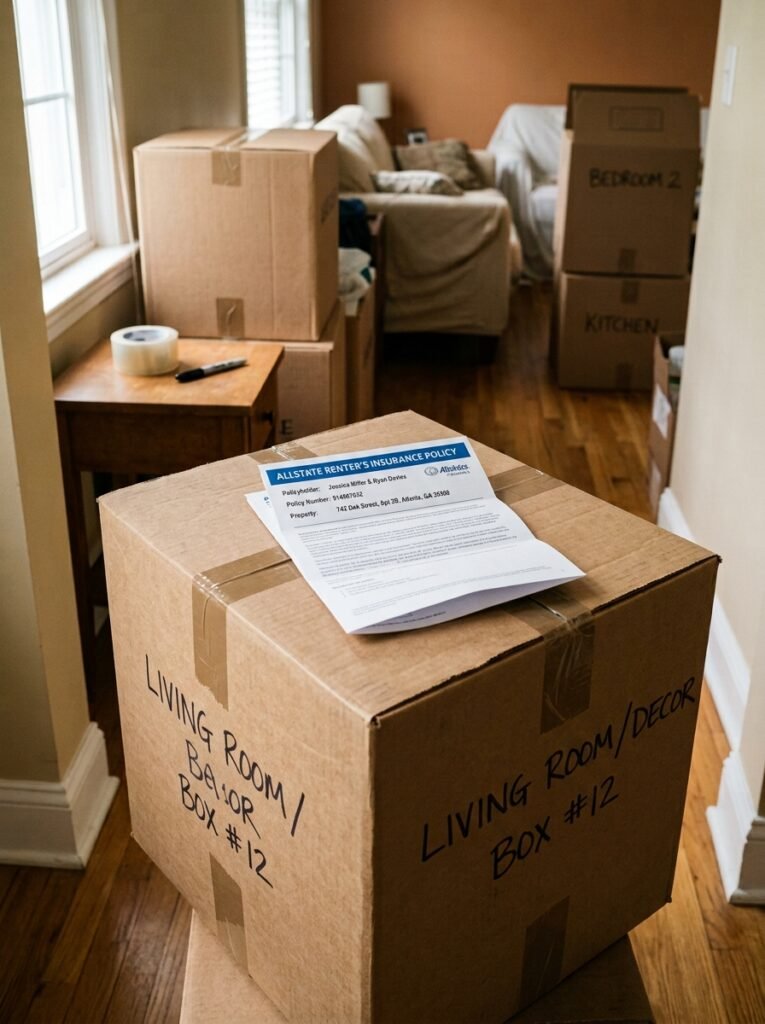
Protecting your belongings is a necessity, and many landlords require proof of coverage before handing over the keys. Renters insurance typically costs between $10 and $20 a month and covers theft, fire, and certain types of water damage. Shop around and compare quotes from multiple providers to find the lowest premium.
12. Audit and Cut Subscriptions
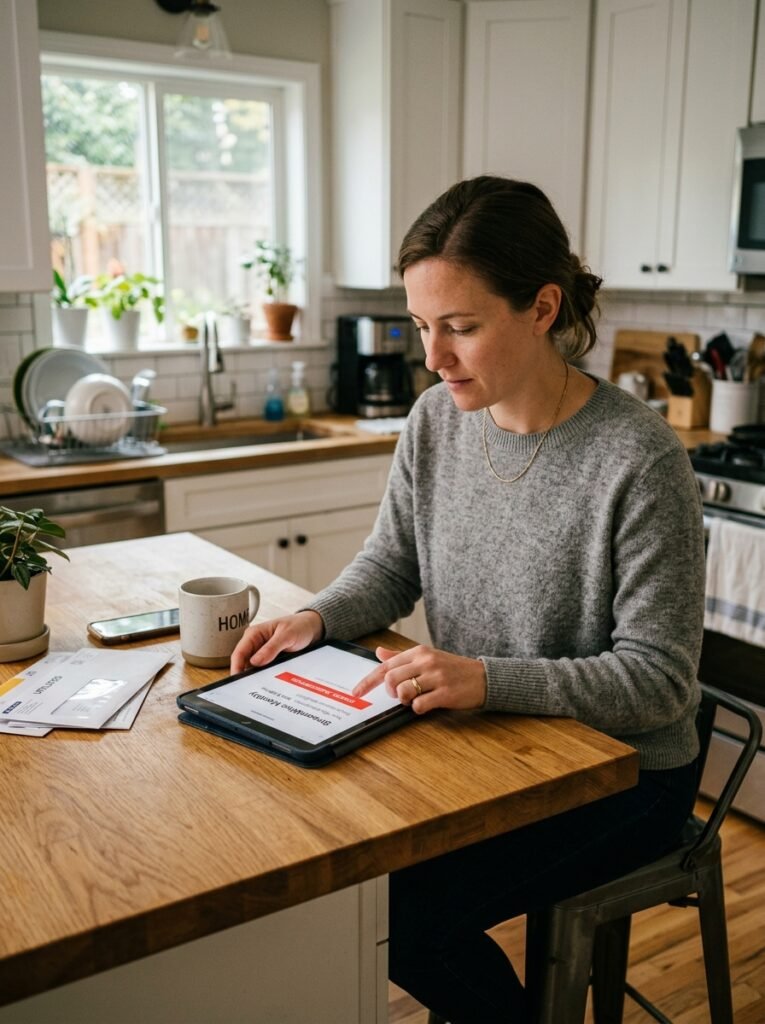
Recurring monthly charges quietly drain your bank account. Review your bank statements and cancel any streaming services, app subscriptions, or gym memberships you do not use regularly. Reallocating just $30 a month from unused subscriptions adds up to $360 a year, which can cover a substantial portion of your utility bills.
13. Cook Meals at Home

Dining out and ordering delivery are massive drains on a limited income. Planning your meals around weekly grocery sales and bulk pantry staples significantly reduces your food costs. Prepping ingredients on your days off makes cooking at home much easier after a long shift, helping you avoid the temptation of expensive convenience foods.
14. Reduce Monthly Utility Bills
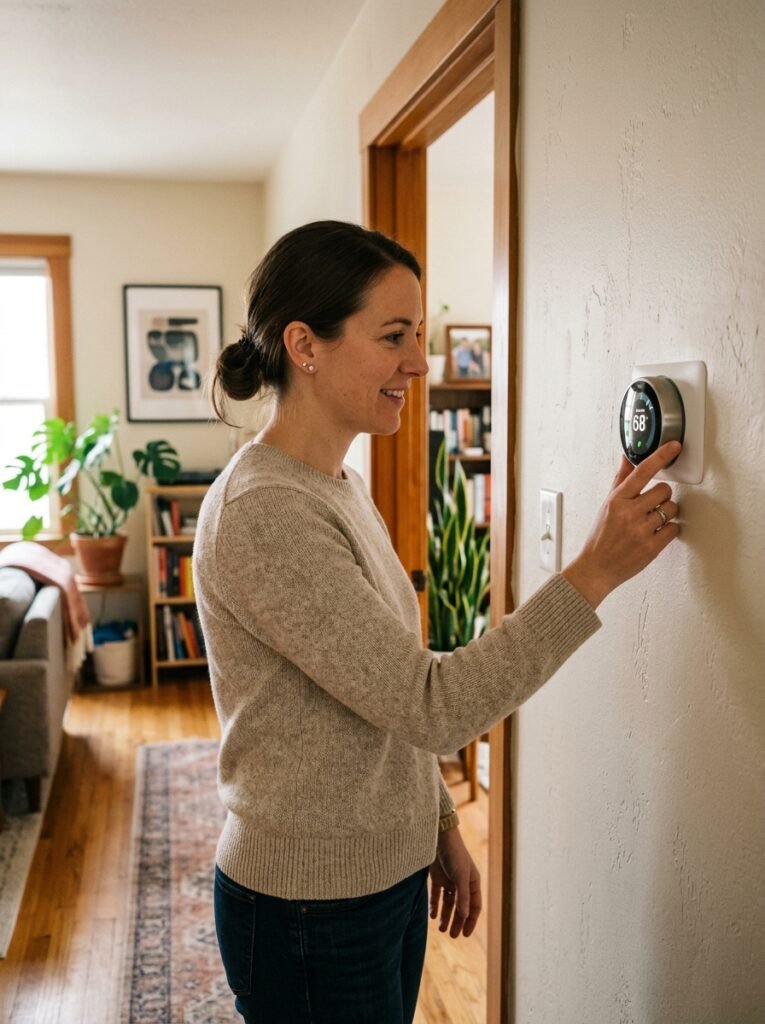
Taking an active role in your energy consumption keeps your monthly bills predictable. Simple interior design hacks that save money, like hanging heavy blackout curtains to block drafts and summer heat, reduce the strain on your HVAC system. Always turn off lights when leaving a room and ask your landlord about swapping standard bulbs for energy-efficient LEDs.
15. Factor In Commuting Costs

A cheaper apartment located far away from your job may end up costing more once you factor in transportation. Calculate the cost of gas, vehicle maintenance, or monthly public transit passes required for the commute. Sometimes paying slightly higher rent for a unit within walking distance of your workplace is the more financially sound decision.
16. Use a Budget Calculator

Managing multiple expenses in your head often leads to miscalculations. Utilizing a first apartment budget calculator allows you to input your specific minimum wage income and adjust variable expenses in real-time. This digital tool quickly shows you exactly how much room you have left for groceries and savings after the rent is paid.
17. Automate Your Monthly Bills
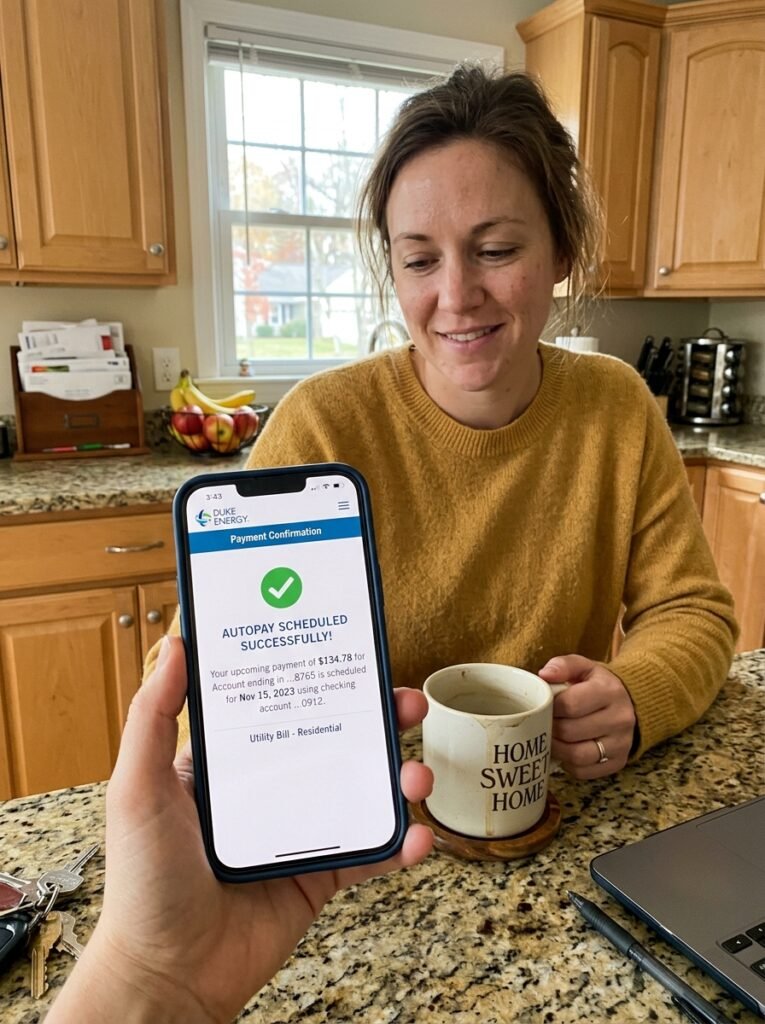
Missing a payment due date results in late fees that a tight budget cannot absorb. Set up automatic payments for your rent, insurance, and utility bills. Scheduling these auto-drafts to align with your paydays ensures the funds are reserved for necessities before they can be spent on discretionary items.
18. Build an Emergency Buffer

Unexpected expenses—like a flat tire or a sudden medical co-pay—are inevitable. Once you move into the apartment, shift your focus to building a small emergency fund. Even transferring $10 or $20 a week into a separate savings account creates a financial buffer that prevents minor emergencies from threatening your ability to pay rent.
FAQ
What should my budget be for an apartment? A widely accepted standard is the 30% rule, which suggests spending no more than 30% of your gross monthly income on rent. When earning minimum wage, hitting this exact percentage can be difficult, so you may need to reduce other variable expenses like dining out or transportation to accommodate your housing costs safely.
How do you budget for an apartment on minimum wage? Start by calculating your exact net income, then list out all fixed and variable expenses. Prioritize rent, utilities, and basic groceries first. To make the math work, you will likely need to explore sharing the space with roommates, utilizing public transit, and strictly limiting discretionary spending.
What is included in an apartment expenses list? A comprehensive list includes upfront move-in costs (security deposit, application fees, utility deposits) and recurring monthly costs (rent, electricity, water, internet, renters insurance, groceries, and household supplies).
How can I save up for an apartment in 3 months? Aggressive saving requires pausing all non-essential spending. Cancel subscriptions, cook all meals at home, and temporarily halt entertainment expenses. Route all saved money directly into a separate account immediately on payday to build your security deposit and first month’s rent fund quickly.
Is renters insurance really necessary if I am on a budget? Yes, it is highly recommended and often required by landlords. For a relatively low monthly cost (usually under $20), it protects your belongings from theft or fire and provides liability coverage if someone is injured in your apartment.
Can a first apartment checklist on a budget help me save money? Yes. Following a strict checklist prevents impulse buys. It forces you to categorize items into immediate needs (a mattress, basic pans) and long-term wants (decor, matching nightstands), ensuring you only spend money on what is absolutely necessary for the first few weeks.
Conclusion

Renting your first apartment on a limited income is challenging, but it is entirely manageable when you approach the process with a strict, realistic plan. By calculating your net pay, downloading a budget worksheet, and aggressively tracking your variable expenses, you can avoid common financial traps. The key to renting on minimum wage is prioritizing absolute necessities—like rent, basic groceries, and utility bills—while temporarily cutting out discretionary spending. If you found these budget tips helpful for your upcoming move, please save this page or share it with others planning their financial independence.

Maren started MyFirstLease after a rough first lease taught him everything the internet didn’t. He covers the logistical side of renting — move-in checklists, utilities, and the unglamorous first-week stuff nobody explains — and oversees everything published on the site.