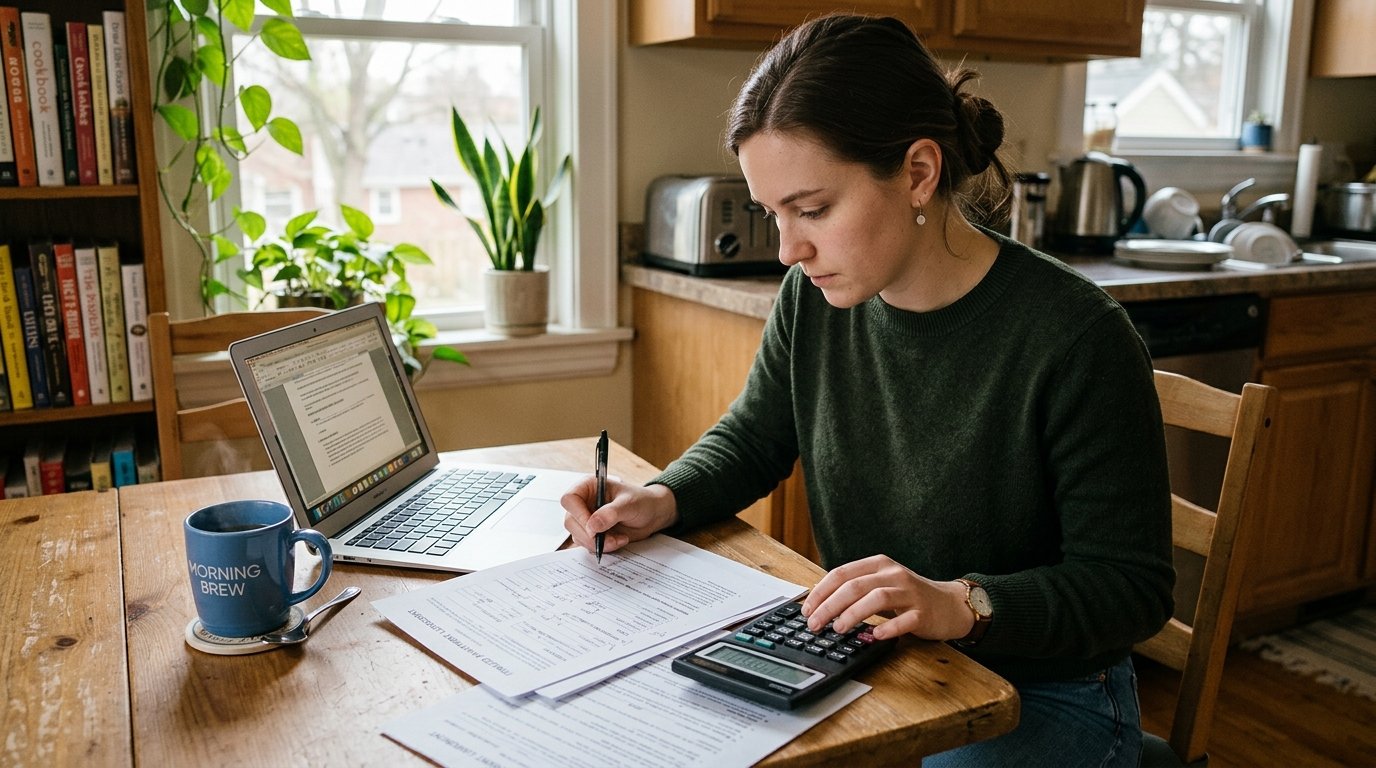
Navigating your initial lease requires strict financial discipline, as common first apartment budget mistakes can quickly derail a carefully planned monthly spending cap. For renters targeting a strict $1,200 monthly housing limit, the rental market presents significant structural hurdles. Finding an apartment listed at $1,000 or $1,050 often creates a false sense of security, leading applicants to assume they have ample room left over for utilities and savings.
In reality, the base rent advertised on listing aggregators is rarely the final balance due on the first of the month. This guide breaks down the hidden fee structures, billing mechanisms, and secondary expenses that push a seemingly affordable apartment well beyond a $1,200 threshold. Understanding how landlords structure ancillary charges helps you identify the true monthly commitment before submitting a non-refundable application fee.
Executive Summary

When conducting $1200 budget apartment hunting, prospective tenants routinely evaluate affordability based solely on the advertised base rent. However, property management companies increasingly unbundle routine operational expenses from the base rate, shifting community overhead costs directly onto individual tenant ledgers.
This guide examines the three primary apartment budget traps that cause monthly expenses to balloon: mandatory building surcharges, non-metered utility allocation systems, and secondary transportation costs. By auditing fee schedules upfront and calculating the true cost of renting apartment units, you can establish an accurate financial baseline and maintain long-term stability.
1. Unbundled Mandatory Surcharges
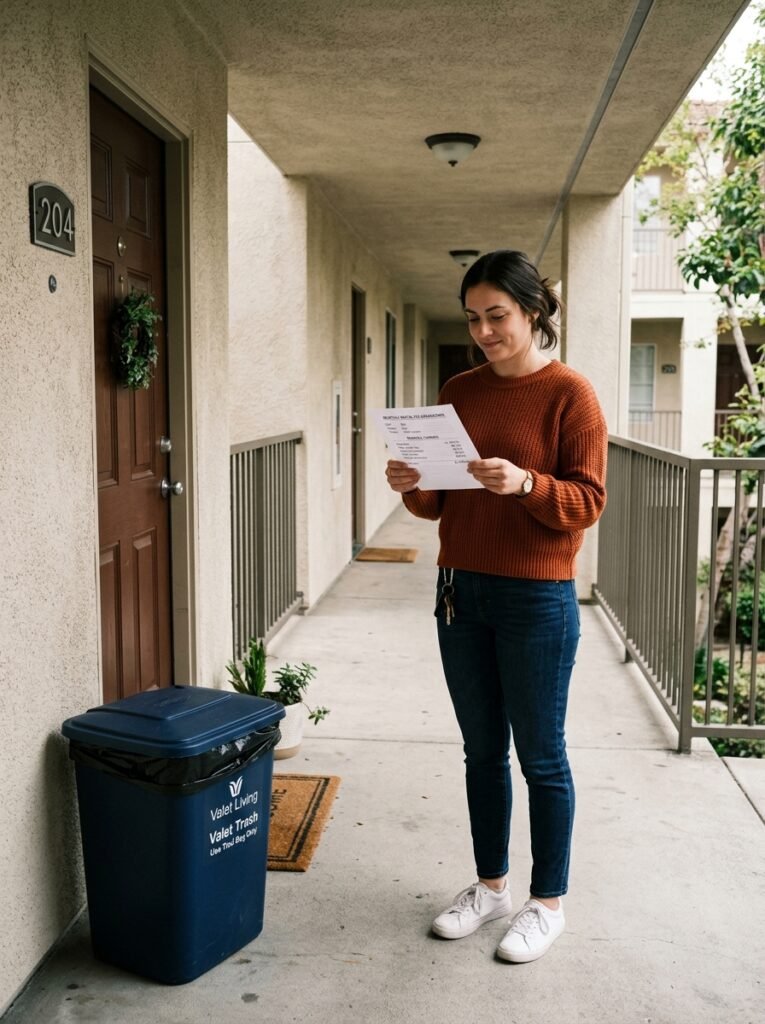
Advertised base rent rarely reflects the actual transaction amount processed through a tenant portal each month. Many corporate management companies utilize unbundled pricing strategies to make units appear artificially competitive on search platforms. Once an application is approved, renters encounter a list of compulsory fees added directly to the lease ledger as non-negotiable monthly line items.
These charges commonly include valet trash pickup ($25 to $35), mandatory parcel locker access ($10 to $20), pest control assessments ($5 to $15), and administrative technology fees ($15 to $30). Surface or assigned parking frequently incurs an additional $50 to $100 per vehicle. These unexpected rental fees can easily add $150 to $200 per month to an advertised $1,050 unit, consuming your entire financial cushion before factoring in basic utilities.
To protect your budget during property tours:
- Request an itemized sample ledger: Ask the leasing office for a comprehensive breakdown of all mandatory monthly fees beyond the base rent.
- Clarify opt-out policies: Inquire whether services like valet trash or premium package delivery can be declined if you do not plan to use them.
- Verify payment processing charges: Check if the property management portal charges recurring convenience fees for ACH bank transfers or debit card transactions.
2. Ratio Utility Billing

Master-metered apartment communities introduce severe volatility into monthly housing costs. In buildings that lack individual electric, gas, or water meters for each unit, property managers typically use a Ratio Utility Billing System (RUBS). Under this arrangement, the building’s total utility bills are divided among tenants based on a formula tied to unit square footage, bedroom count, or total occupant headcount.
This setup represents one of the most significant hidden rental costs renters miss. A single individual occupying a one-bedroom apartment may practice rigorous energy conservation, only to receive a water and sewer bill exceeding $120 because they are subsidizing larger households or leaking communal plumbing. Furthermore, RUBS statements often include shared administrative fees and common-area utility costs for hallway lighting and exterior landscaping.
Evaluating utility structures requires direct questions before signing:
- Identify sub-metering versus RUBS: Confirm whether your unit has dedicated physical meters for water, electricity, and gas.
- Request historical utility averages: Ask the property manager for the past six months of utility billing statements for the specific floor plan you are viewing.
- Factor in baseline connection fees: Remember that single renters bear 100% of fixed service charges for electricity and internet, with high-speed internet generally averaging $60 to $80 per month.
3. Distance and Transit Trade-Offs

Choosing a cheaper apartment located miles away from your workplace often creates an illusion of savings. Renters frequently expand their geographic search radius to find lower base rents, opting for a $950 unit located 20 miles away over a $1,150 unit located near public transit or closer to their job. While the monthly rent check is smaller, the secondary costs of extended commuting frequently outpace the rent differential.
Commuting an extra 40 miles round-trip each workday adds roughly 800 miles of driving per month. Accounting for fuel, routine maintenance, tires, and potential auto insurance adjustments, vehicle operating costs quickly absorb any initial rent savings. When implementing renting within budget tips, housing and transportation should always be evaluated as an integrated financial unit rather than separate budgets.
Practical steps for evaluating commuter trade-offs include:
- Calculate monthly fuel requirements: Multiply your expected daily round-trip mileage by 20 workdays, divide by your vehicle’s city MPG, and multiply by current local fuel prices.
- Account for parking at both ends: Confirm whether your workplace charges for daily employee parking, which can add $50 to $150 per month.
- Value your transit time: Consider how additional hours spent commuting affect your ability to prepare meals at home, which directly impacts grocery spending.
The $1,200 Budget Reality: Advertised vs. Actual Outflow
The following comparison illustrates how an apartment advertised within a $1,200 limit can exceed target thresholds once unbundled fees and operational costs are applied.
| Expense Category | Advertised Listing Estimate | True Out-of-Pocket Cost | Monthly Variance |
| Base Rent | $1,050 | $1,050 | $0 |
| Mandatory Building Surcharges | Unlisted ($0) | $85 (Trash, locker, pest, tech) | +$85 |
| Assigned Parking Space | Assumed included ($0) | $50 | +$50 |
| RUBS Utility Billing (Water/Trash) | Estimated $40 | $95 (Allocated shared usage) | +$55 |
| Electricity & Gas | Estimated $60 | $90 (Seasonal baseline) | +$30 |
| Solo Internet Connection | Estimated $50 | $75 (Standard retail speed) | +$25 |
| Renters Insurance Policy | Unlisted ($0) | $18 (Mandatory liability cover) | +$18 |
| Total Monthly Outflow | $1,200 | $1,463 | +$263 (21.9% Over Budget) |
FAQ
What percentage of income should go toward rent on a $1,200 budget?
Financial guidelines commonly recommend keeping housing expenses at or below 30% of gross income. If your total rent limit is $1,200, an annual gross salary of roughly $48,000 provides adequate margin. If calculating by net take-home pay, ensuring total housing costs do not exceed 35% of take-home earnings helps maintain adequate cash flow for savings and debt repayment.
How can I avoid first time renter money mistakes during the lease signing?
Carefully review the lease contract and all attached addenda before signing. Verify that the base rent amount, monthly fees, security deposit terms, and notice periods match what was discussed verbally. Do not sign until every fee is itemized in writing.
What are the most reliable affordable apartment search tips for finding sub-metered units?
Independent landlords, smaller multi-family properties (such as duplexes or fourplexes), and older brick buildings are more likely to have individually metered utilities or simpler lease agreements without corporate surcharge packages. Utilizing local drive-bys and community boards often reveals private listings that skip corporate add-on fees.
Can mandatory apartment fees be negotiated?
In corporate complexes, administrative fees and trash charges are rarely waived because they are standardized across all tenant contracts. However, parking fees, pet rent, and storage locker charges can sometimes be negotiated, particularly during winter months when tenant demand is lower.
How does renters insurance factor into staying under rent budget?
Most landlords require proof of a minimum $100,000 personal liability policy before handing over keys. While renters insurance is relatively inexpensive—typically averaging $15 to $20 per month—it remains a non-negotiable fixed cost that must be accounted for within your overall monthly housing budget.
What should I do if an unexpected utility bill puts me over budget?
If seasonal electricity or allocated utility charges strain your cash flow, explore minor structural adjustments. Hanging thermal window panels or applying interior design hacks that save money can lower HVAC run times. Furnishing your living space using budget home decor strategies and living room decor ideas on a budget also preserves cash reserves for unexpected bills.
Conclusion

Managing a fixed housing allocation requires looking beyond promotional pricing to understand total monthly commitments. By identifying mandatory community surcharges, inspecting utility billing frameworks, and evaluating transit costs alongside rent, you can avoid costly financial traps. Proactive auditing during property tours ensures that first apartment budget mistakes do not undermine your financial independence. Take the time to calculate real numbers, ask direct questions about building fees, and prioritize units that align with your total cash flow. If this breakdown helped clarify your apartment search, save this guide to your rental bookmarks or share it with others planning their first move.

Maren started MyFirstLease after a rough first lease taught him everything the internet didn’t. He covers the logistical side of renting — move-in checklists, utilities, and the unglamorous first-week stuff nobody explains — and oversees everything published on the site.