Executing a move in extreme summer temperatures requires focused preparation, as moving during a heatwave introduces serious physical and logistical challenges. High ambient temperatures, direct sun exposure, and enclosed cargo areas that trap heat can easily ruin delicate possessions and lead to physical exhaustion.
This guide provides practical summer apartment moving tips tailored for renters settling into their first home under high-temperature conditions. Learning how to safeguard temperature-sensitive cargo, structure moving hours, and set up climate control early ensures your transition remains safe and efficient.
Executive Summary
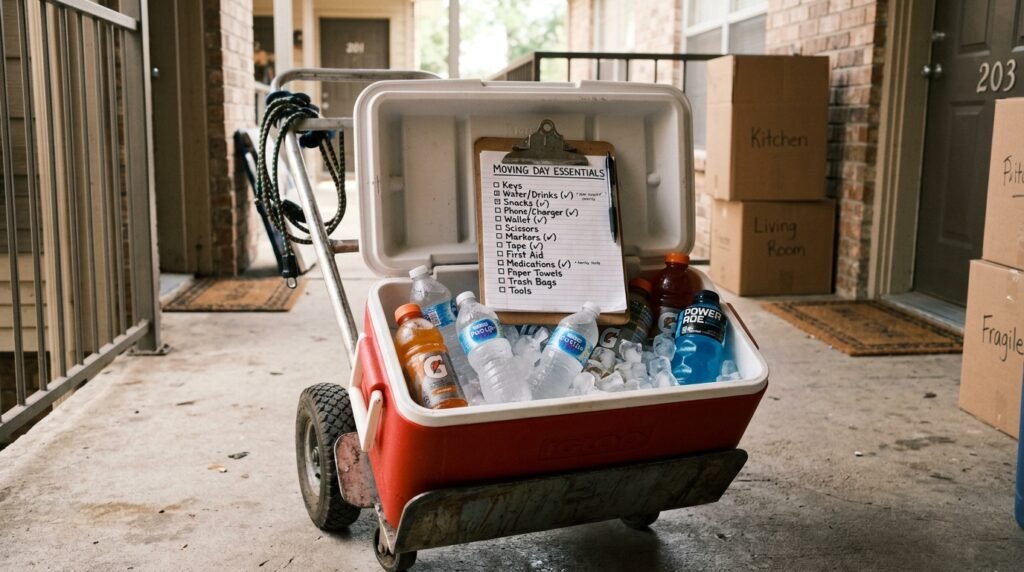
Managing a first apartment summer move while temperatures soar demands a different workflow than moving in moderate weather. Standard moving protocols—such as packing cargo haphazardly, working through the hottest afternoon hours, or leaving utilities off until arrival—frequently lead to heat exhaustion and damaged personal belongings. Enclosed cargo trucks can reach temperatures well above the outdoor ambient air, turning unconditioned transit into a hazard for candles, vinyl records, houseplants, and electronics.
The following checklist breaks down essential hot weather moving tips to help you maintain personal stamina and protect your property. You will find concrete advice on establishing indoor cooling zones, scheduling your day around the cooler morning hours, and staging loading zones to minimize sun exposure. Following these heatwave moving precautions helps you settle into your new living space safely.
1. Schedule Early Utility Activation
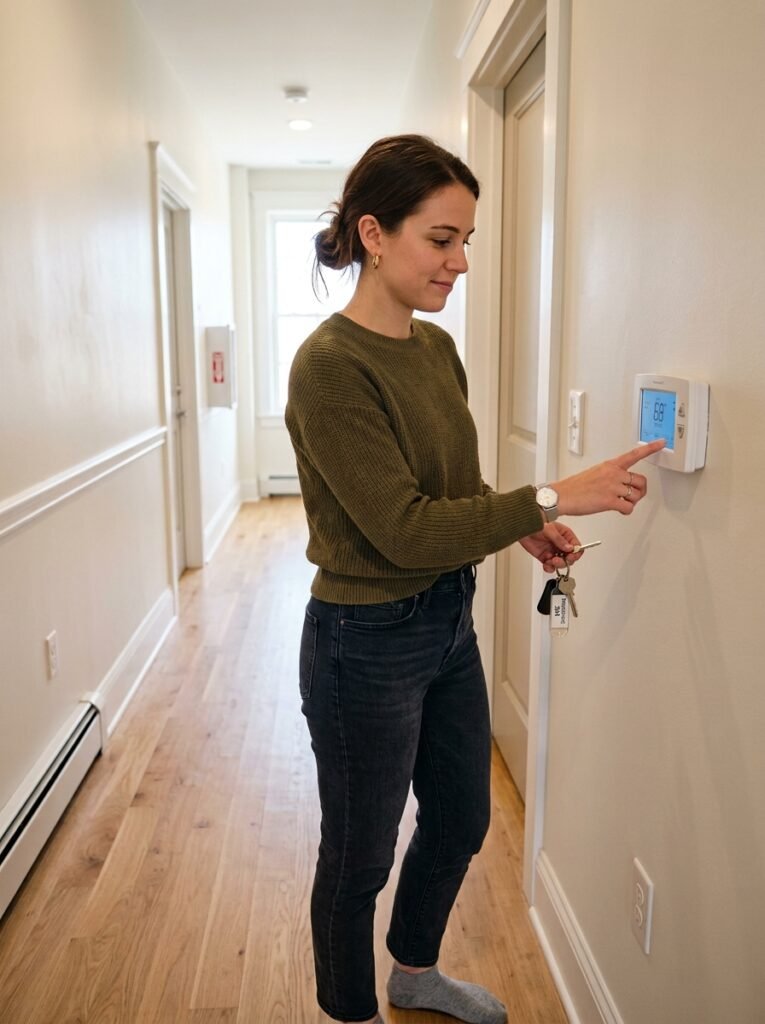
Electricity service must be operational before the moving truck arrives so you can run the air conditioning from the moment you unlock the door. Contact the electric provider at least two weeks before your lease start date to schedule service activation for the day prior to your move. Confirming the account is active 48 hours in advance prevents arriving at an unventilated, sweltering apartment where heat has built up behind closed blinds for days.
2. Target Morning Moving Windows
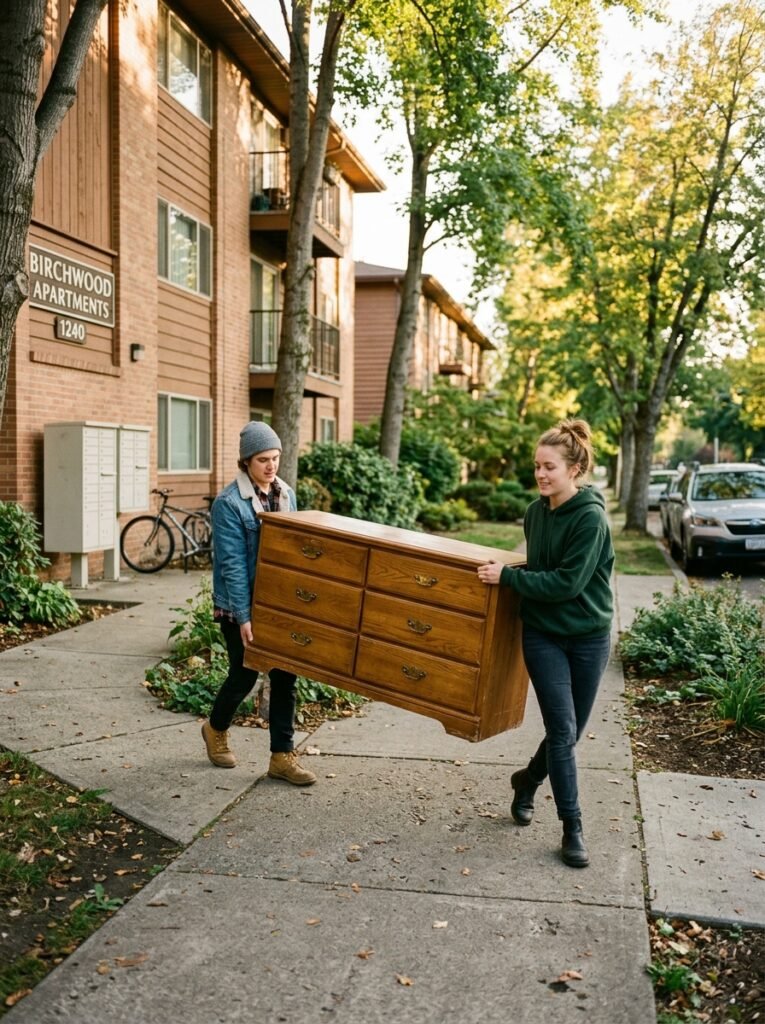
High summer temperatures generally peak between 2:00 PM and 5:00 PM, when solar radiation combines with accumulated ground heat. The best time of day to move in summer is between 6:30 AM and 10:00 AM, when temperatures and humidity levels are at their daily low. Moving the heaviest furniture items during this early window reduces physical strain and minimizes direct sun exposure during strenuous lifting.
3. Protect Temperature-Sensitive Belongings
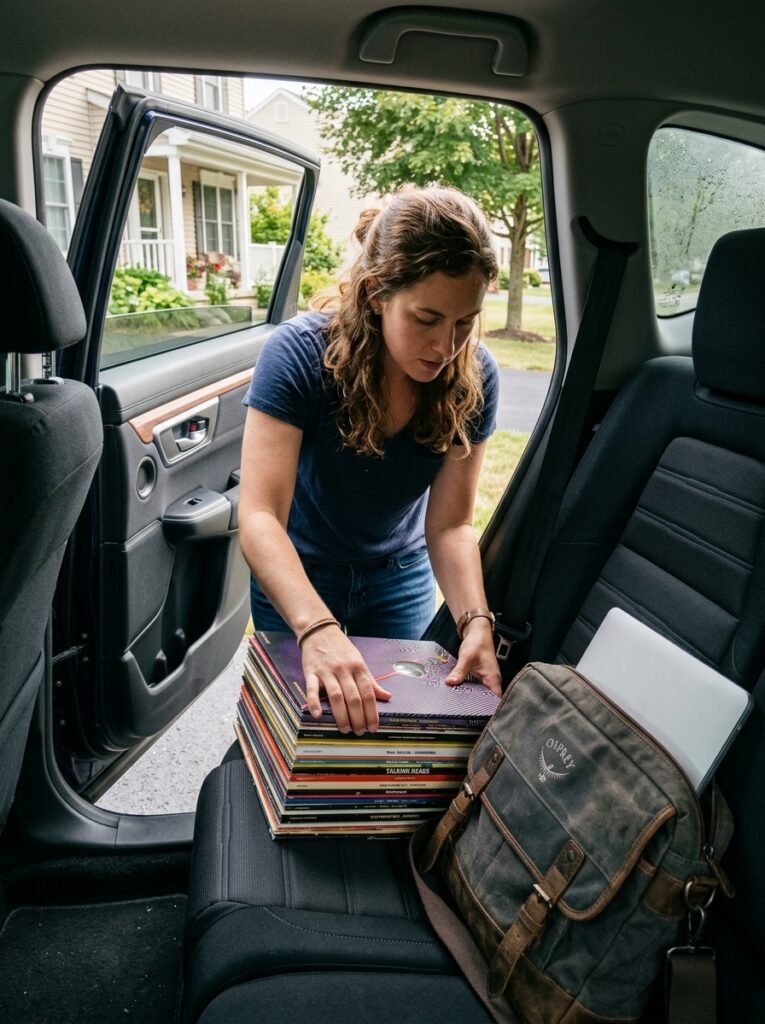
A standard enclosed cargo truck acts like an oven in direct sunlight, with cargo hold temperatures regularly exceeding outdoor ambient air by 20 to 30 degrees. Certain household goods will warp, melt, or degrade permanently if left in an unconditioned truck bed during a heatwave.
| Item Category | Risk in High Heat | Recommended Transport Method |
| Electronics & Laptops | Battery swelling, motherboard damage | Air-conditioned vehicle cabin |
| Candles & Wax Melts | Complete liquefaction, staining boxes | Insulated cooler with cold packs |
| Cosmetics & Skincare | Separation, chemical degradation | Small personal bag in passenger car |
| Houseplants | Severe leaf scorch, moisture shock | Transport last in air-conditioned vehicle |
| Vinyl Records | Permanent warping and grooving damage | Upright in conditioned vehicle |
4. Set Up Cold-Water Stations
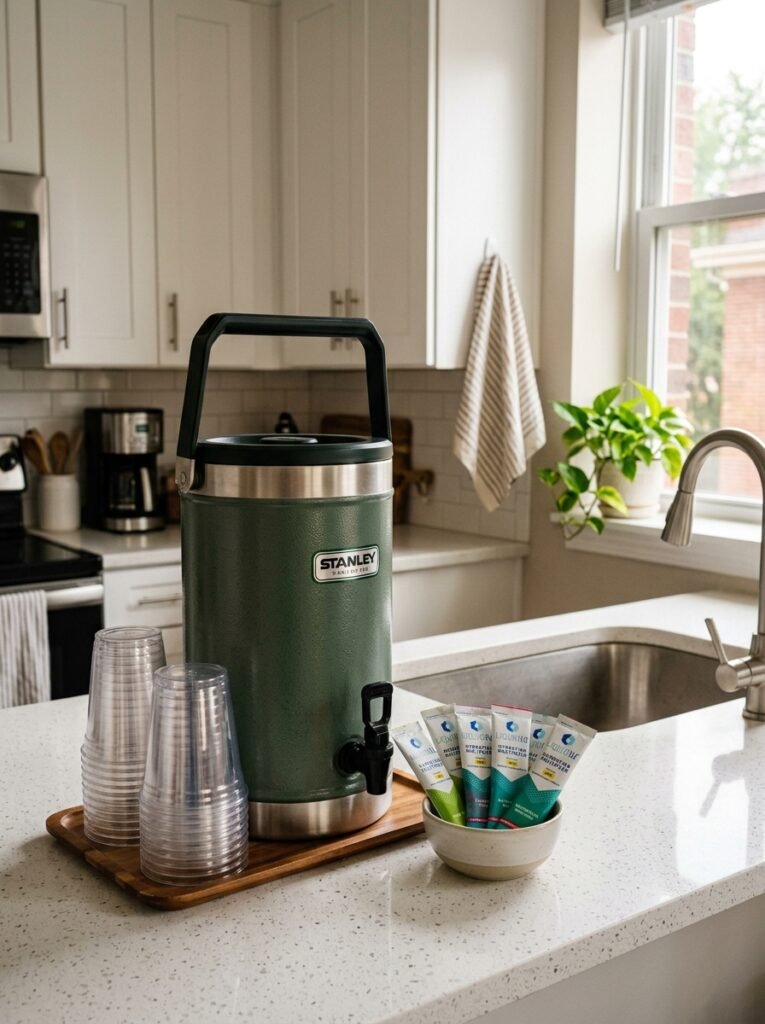
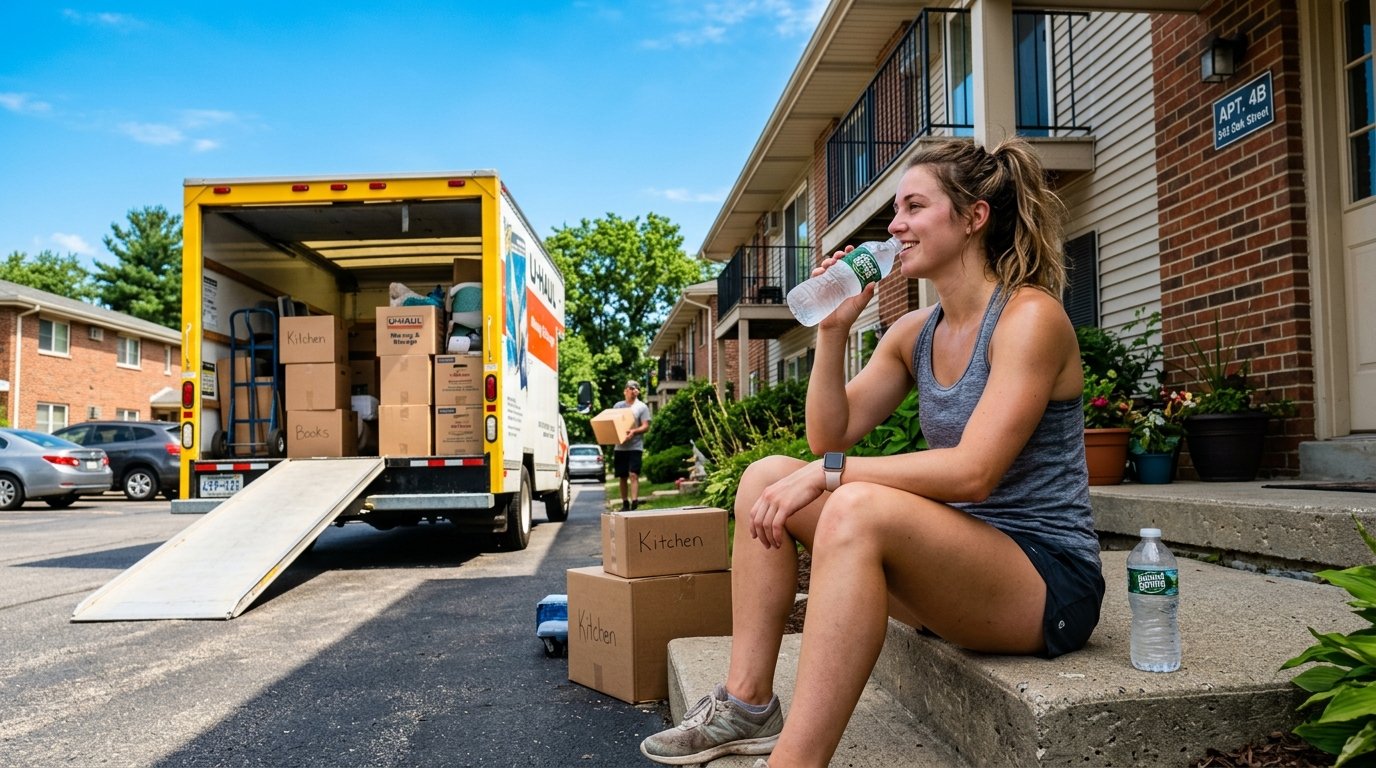
Dehydration develops quickly during heavy lifting, and tap water from an uncooled sink does little to lower core body temperature. Fill an insulated cooler with ice, bottled water, and electrolyte replacement drinks, and place it directly inside the new apartment entryway. Taking small sips of cool water every 15 to 20 minutes helps your body regulate heat far better than drinking large quantities of water irregularly.
5. Wear Breathable, Protective Fabrics
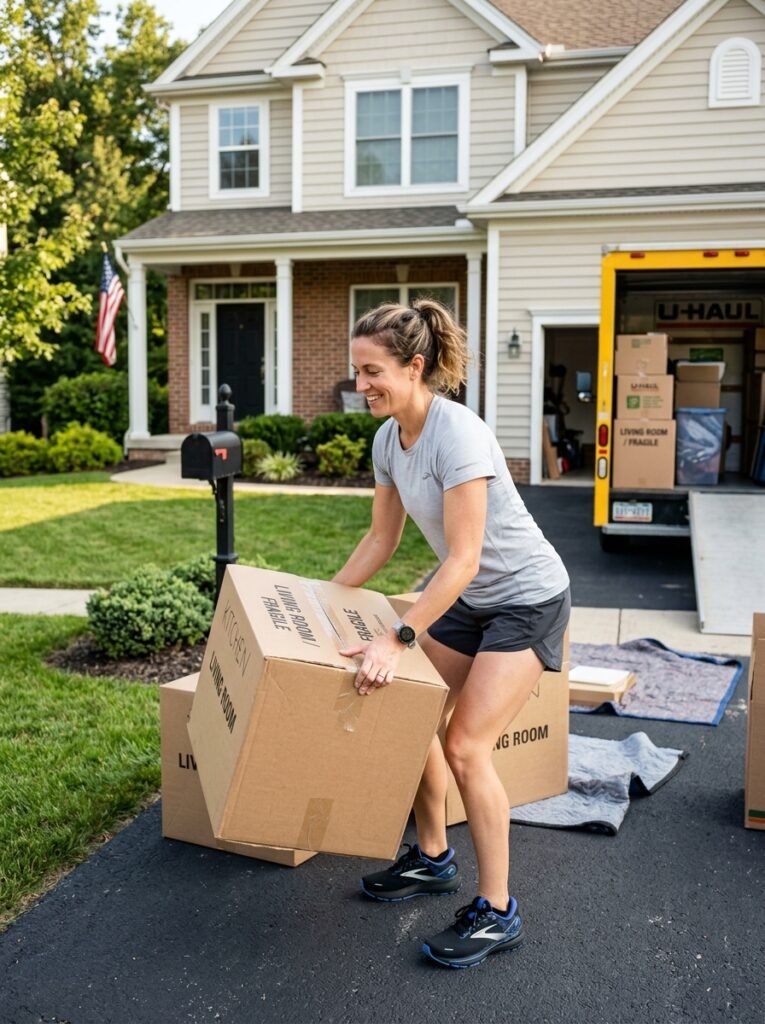
Heavy cotton shirts trap moisture and heat against your skin, increasing physical discomfort and exhaustion. Choose loose-fitting, light-colored clothing made from synthetic moisture-wicking fabrics or lightweight linen that allows air circulation. While open-toed shoes might seem cooler, closed-toe athletic shoes or work boots with breathable mesh panels remain necessary to protect your feet from dropped boxes and heavy furniture.
6. Stage Boxes in Shaded Areas
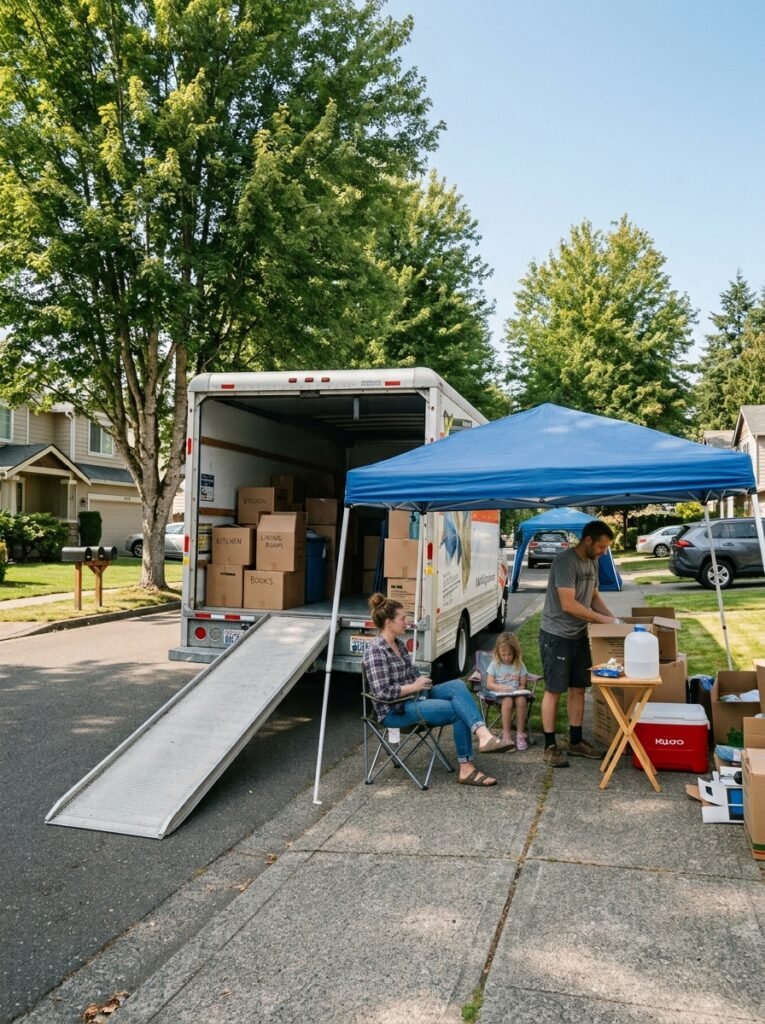
Carrying items one by one across exposed asphalt under the midday sun exponentially increases physical exertion. Park the moving truck as close to the apartment entrance or exterior stairway as possible, ideally positioning the rear door in the shade of the building or nearby trees. If shade is unavailable, erect a basic pop-up canopy over the truck ramp to create a temporary shelter for unloading crews.
7. Install Window Coverings Immediately
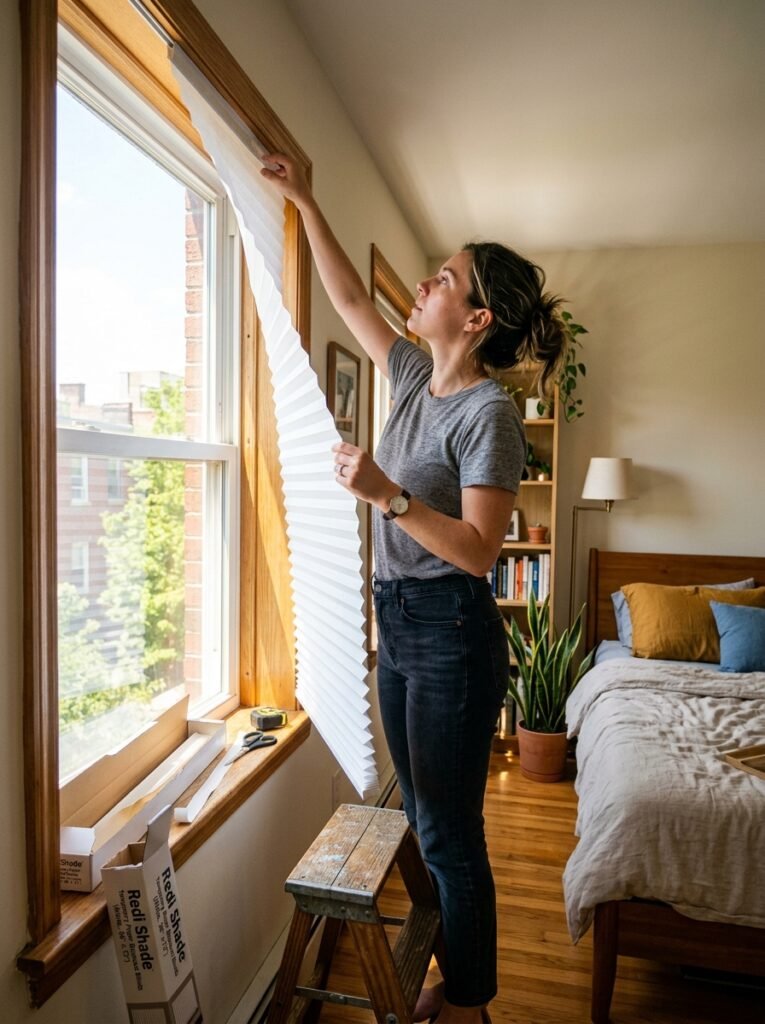
Bare glass turns an unshaded rental into a greenhouse within hours, making it difficult for the air conditioning system to cool the unit. Pack a utility knife, tension rods, and temporary paper blackout shades in an easily accessible essentials box. Hanging temporary shades or custom curtain designs over south- and west-facing windows immediately blocks solar heat gain and speeds up indoor cooling.
8. Safeguard Electronics from Overheating
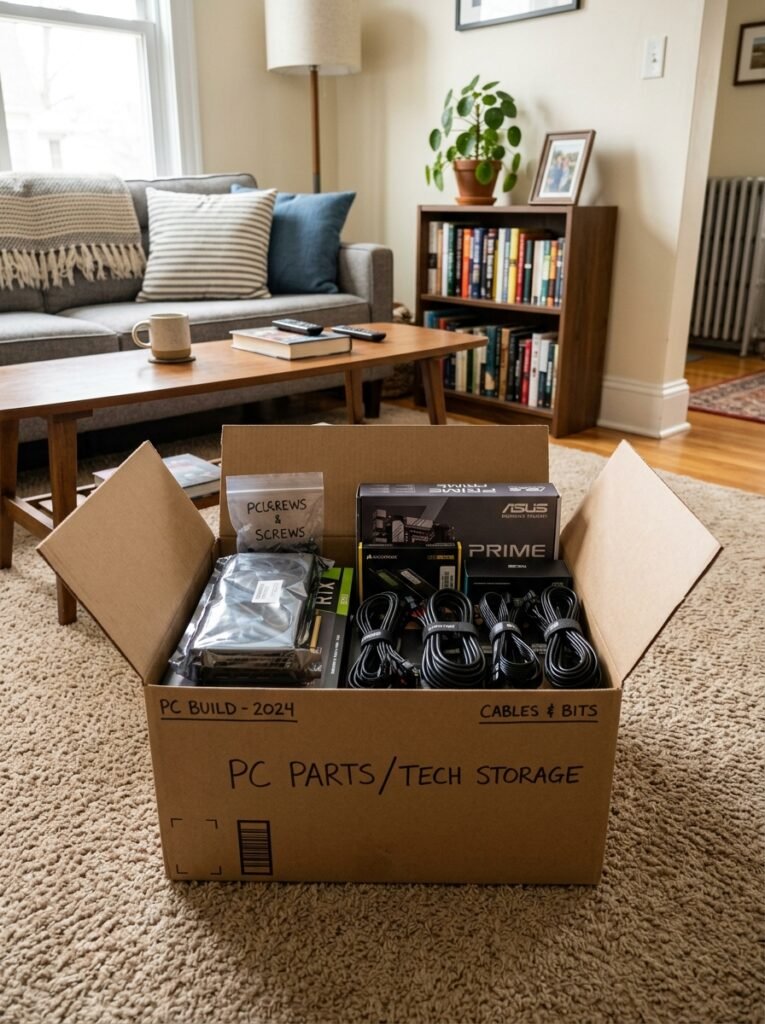
Lithium-ion batteries and printed circuit boards degrade or malfunction when exposed to sustained thermal stress. Avoid packing laptops, gaming consoles, desktop computers, or tablets into sealed boxes in the moving truck hold. Transport these devices in the floorboard or back seat of your air-conditioned passenger vehicle, and keep them out of direct sunlight while driving.
9. Shield Houseplants from Heat Shock
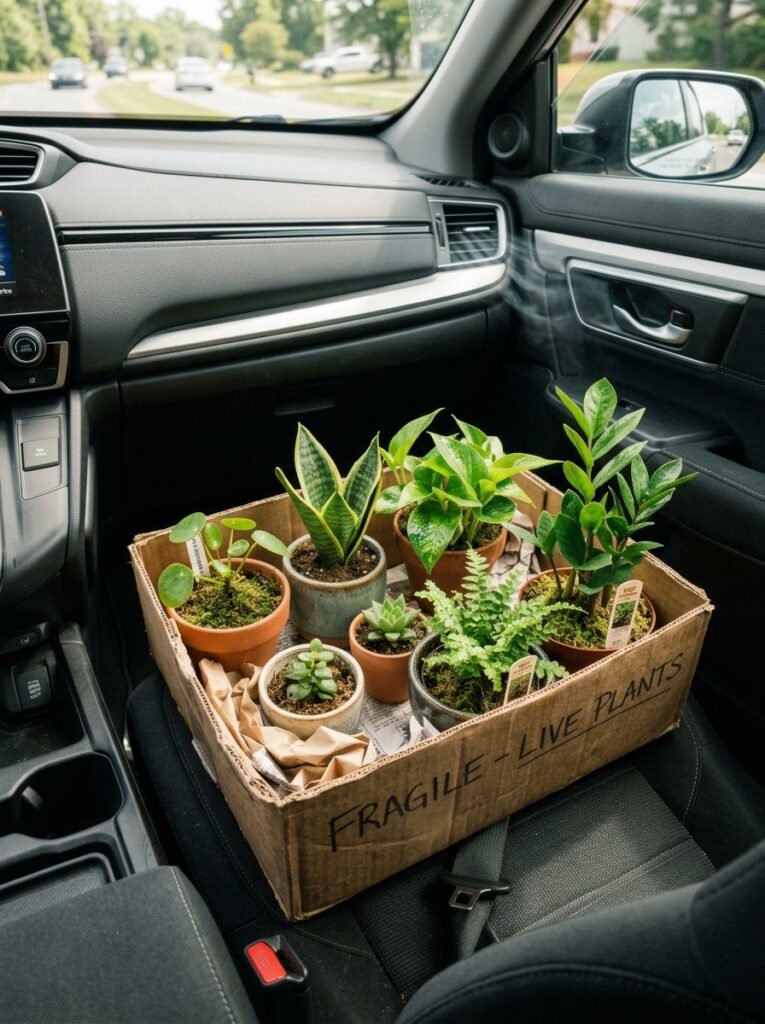
Foliage exposed to hot vehicle interiors can wilt or scorch within thirty minutes of exposure. Water your plants lightly the morning before moving day so the root systems are hydrated without making the pots excessively heavy. When moving delicate indoor plants for beginners, keep them inside an air-conditioned car, and bring them into the cooled apartment immediately upon arrival.
10. Keep Vehicle Air Flowing
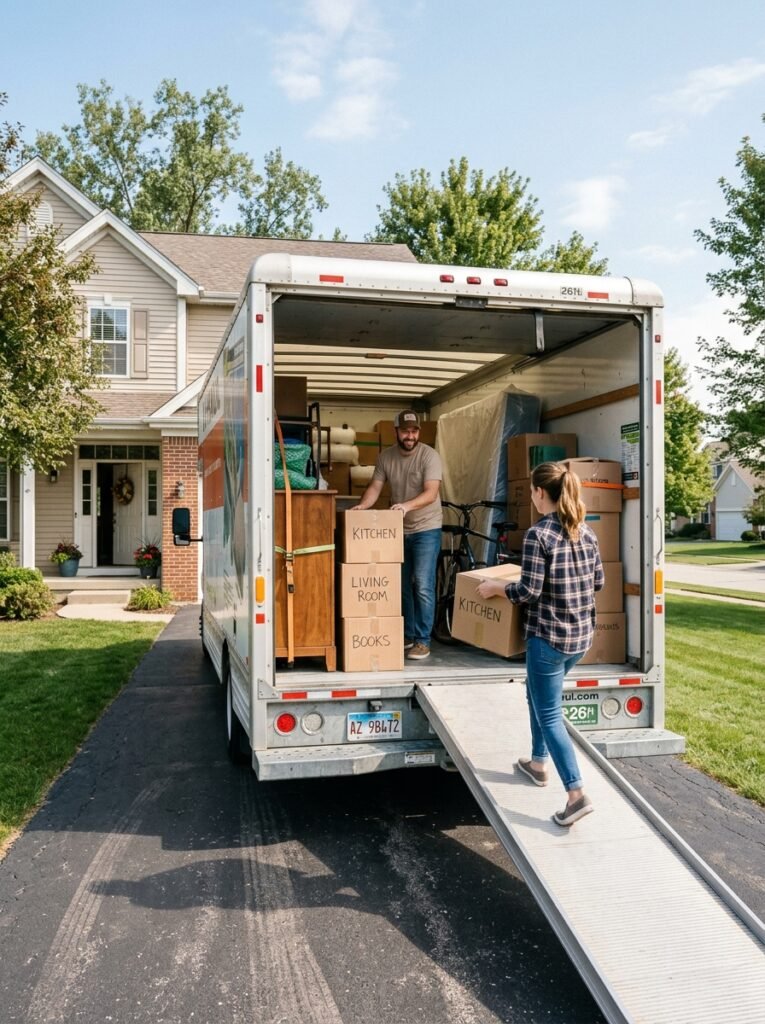
Metal surfaces inside a moving truck cab or cargo area become hot enough to cause burns after hours in direct sun. Run the truck’s air conditioning for five minutes before climbing into the cab to drive between locations. When loading and unloading, prop open the cargo doors and any side ventilation panels fully to allow ambient air to circulate through the back of the truck.
11. Implement Structured Rest Rotations
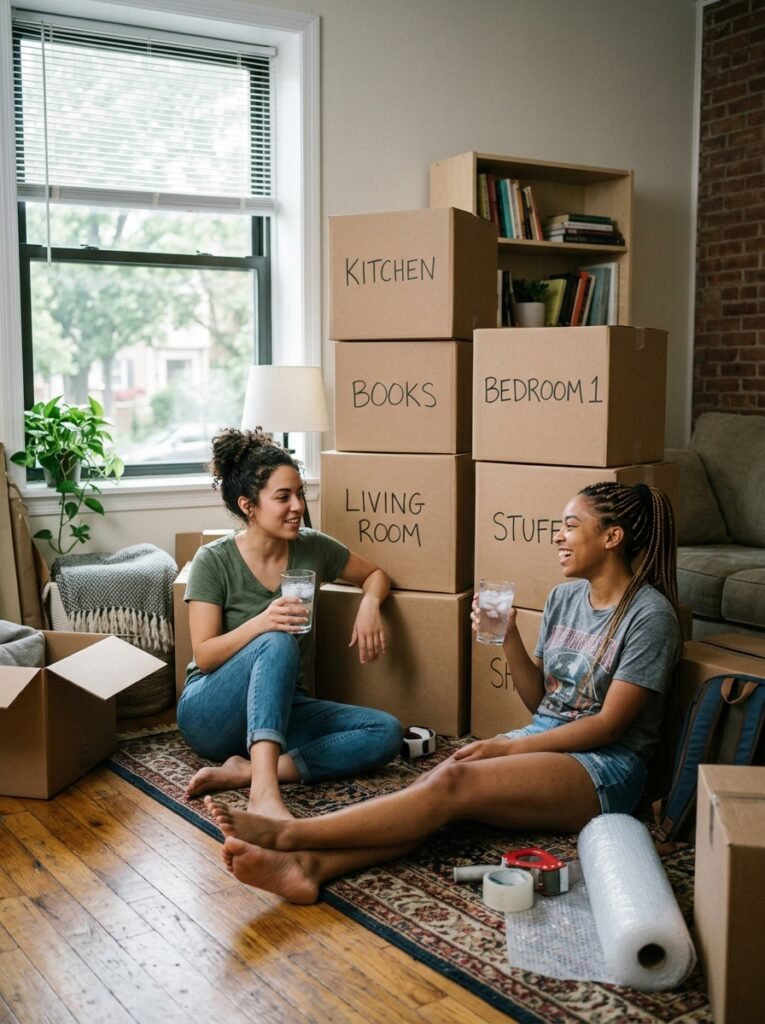
Pushing through physical fatigue in high humidity spikes the risk of heat exhaustion. Establish a firm work-rest schedule: work for 30 minutes, followed by a mandatory 10-minute rest inside the air-conditioned apartment or vehicle. Resting in a cool environment allows your heart rate to normalize and gives your body time to shed accumulated heat safely.
12. Pack Perishable Food in Coolers
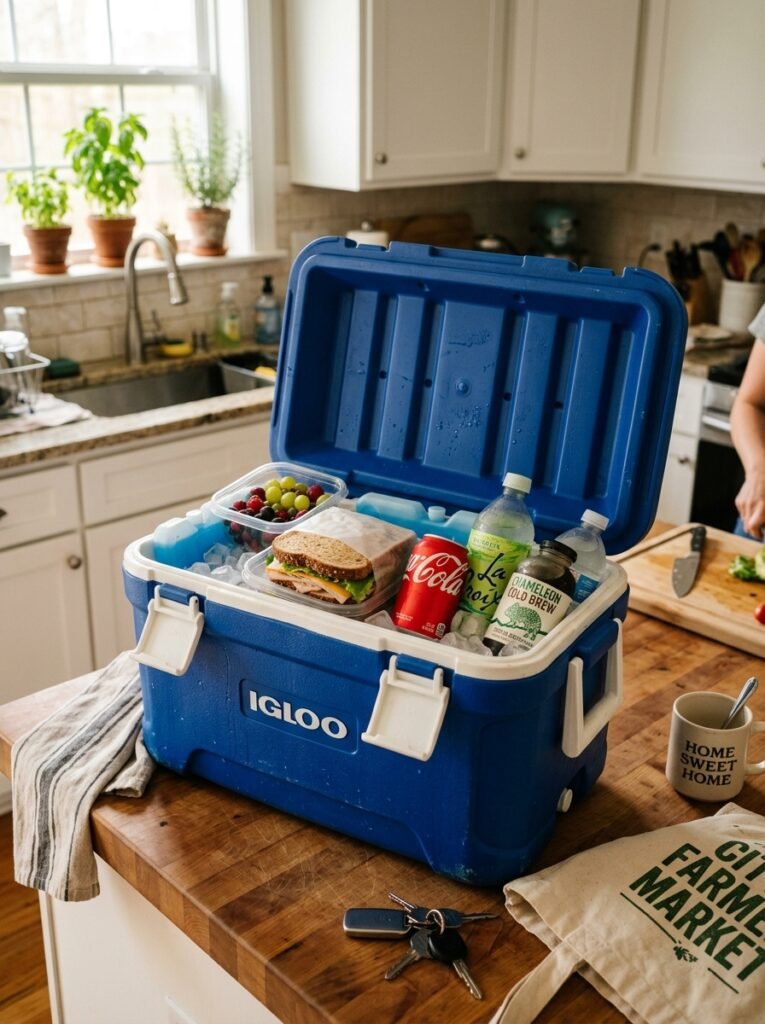
Leaving refrigerated condiments or dairy products in standard cardboard boxes guarantees spoilage before dinner. Use a hard-sided cooler packed with reusable ice packs to transport any food from your previous residence. If the journey takes several hours in severe heat, consider discarding opened perishable food entirely and buying fresh groceries once your new refrigerator has reached safe operating temperatures.
13. Protect Floors from Sweat and Dirt
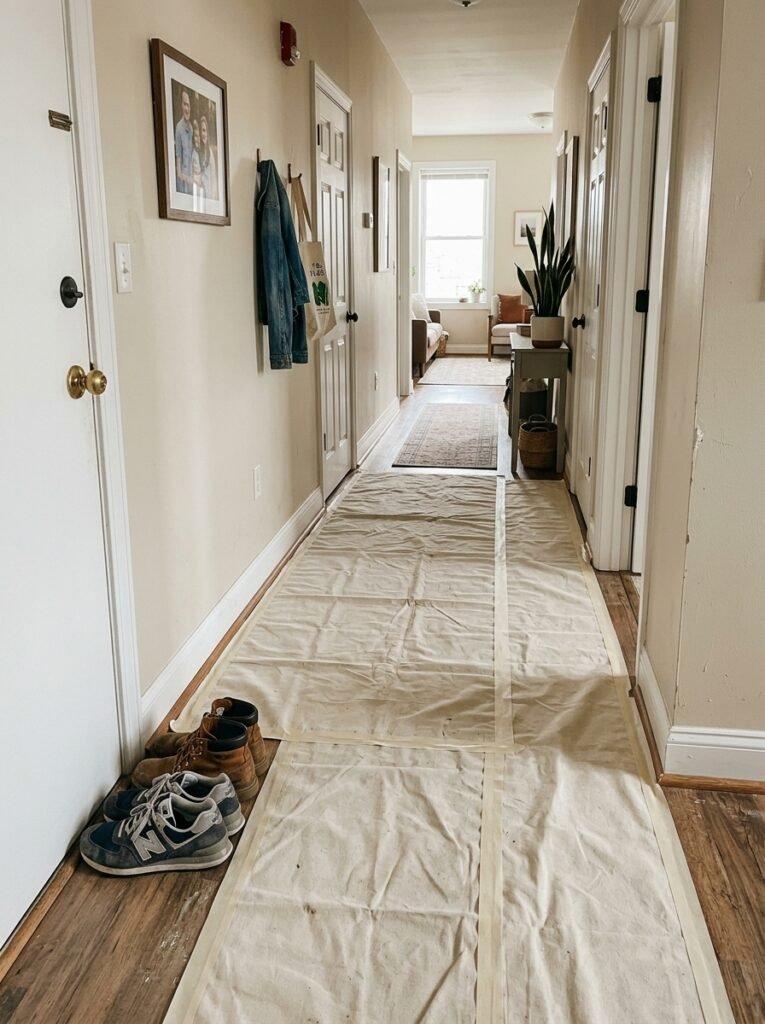
Dust combined with moisture from footwear creates sticky grime on rental flooring, which can be difficult to clean during move-in. Lay down breathable canvas drop cloths or heavy butcher paper along primary hallways and entryways to protect hard floors. Once the boxes are safely inside, following simple cleaning tips allows you to quickly clean high-traffic areas without scrubbing damaged surfaces.
14. Transport Candles in Coolers
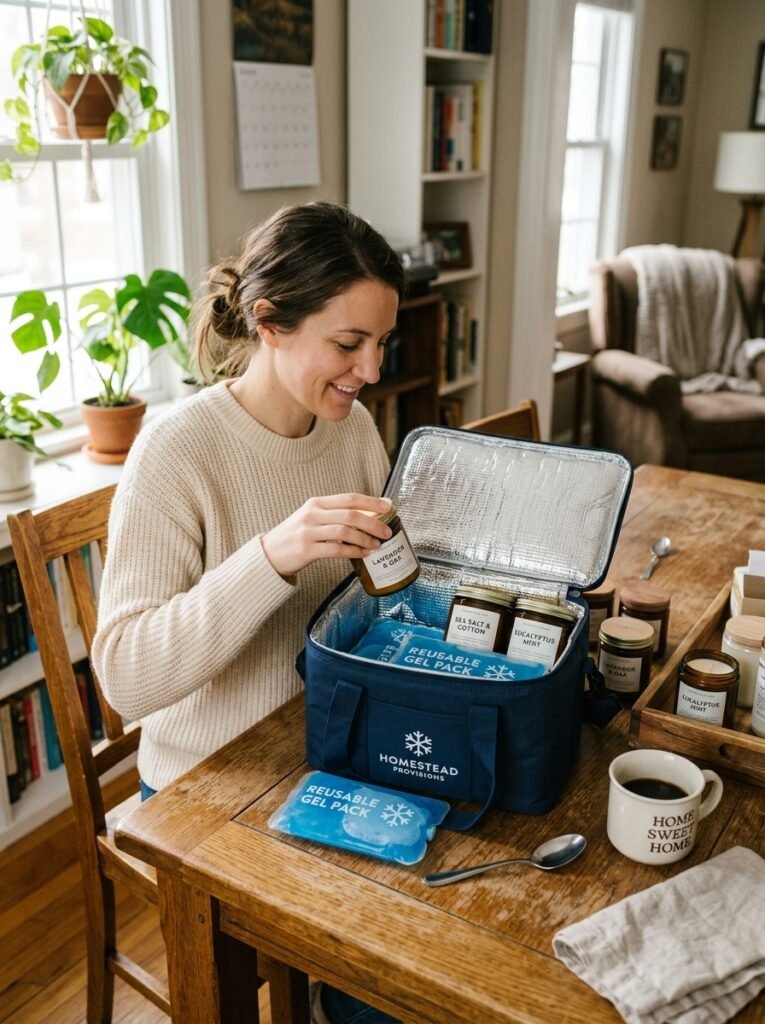
Wax decor and jar candles warp into unusable puddles when transported in unconditioned vehicles. Place pillar candles, tapers, and jarred wax into gallon-sized sealable bags, then pack them into a cooler alongside ice packs. Sealing them in waterproof bags prevents condensation or melting wax from ruining surrounding linens and boxes if the cooling packs thaw.
15. Prepare an Emergency Cooling Kit
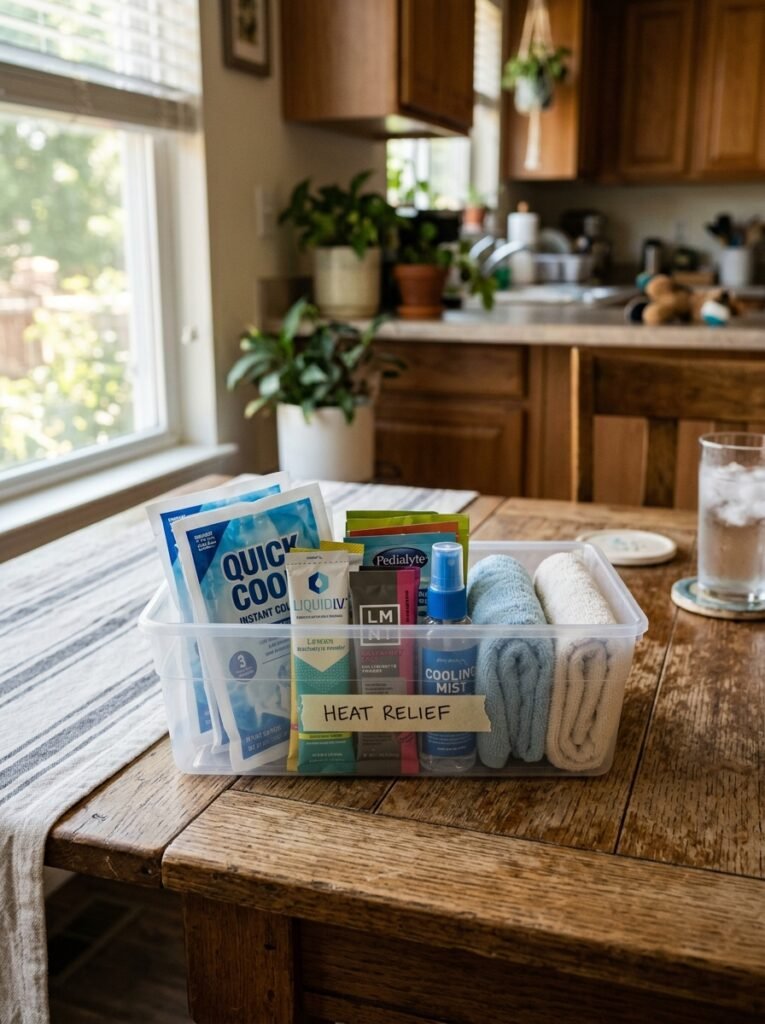
Basic first-aid items for hot weather should travel directly in your passenger cab rather than deep inside the moving truck. Assemble a kit that includes instant cold packs, electrolyte powder packets, a digital thermometer, and a spray bottle filled with water for misting faces and necks. Having these items accessible allows you to respond immediately if someone shows initial signs of heat distress.
16. Vet Movers for Heat Policies
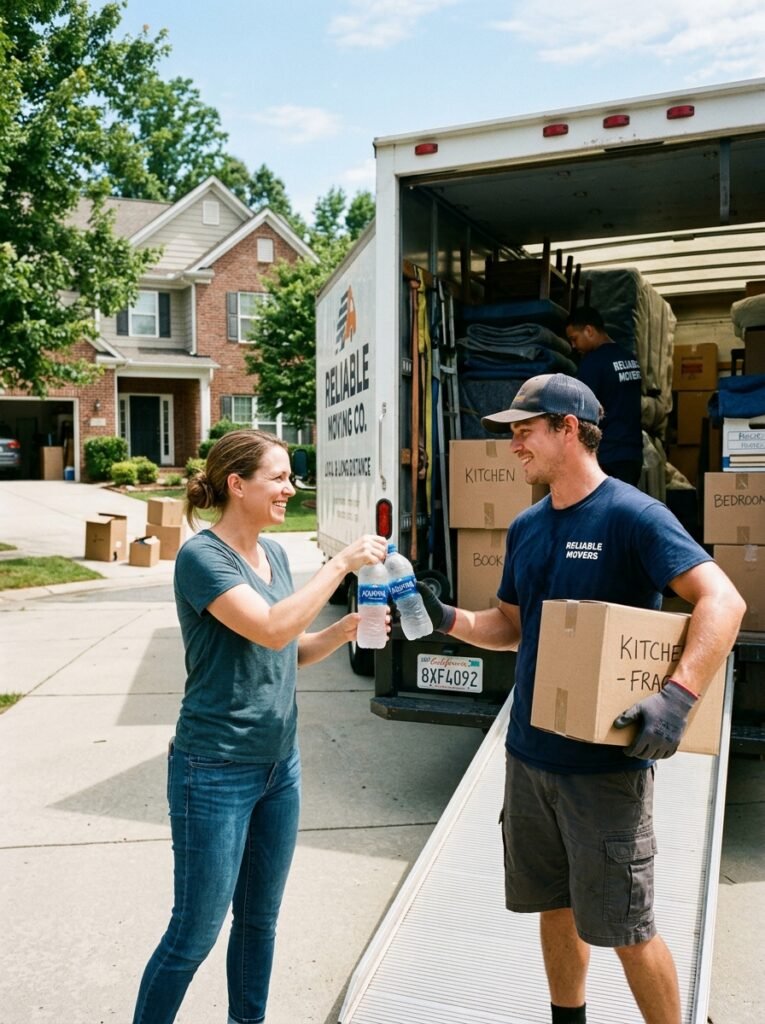
Professional moving companies often implement specific labor rules during municipal heat advisories. If you hire professional help, ask their dispatch team about their policies regarding mandatory water breaks and extreme-heat surcharges. Providing plenty of bottled water and sports drinks for your moving crew keeps morale high and ensures the team works safely without unnecessary delays.
FAQ
What are the primary signs of heat exhaustion during a move?
Common signs include heavy sweating, cold or clammy skin, dizziness, a rapid or weak pulse, muscle cramps, and nausea. If anyone experiences these symptoms, they should immediately stop lifting, move to an air-conditioned room, sip cool water, and apply cool, damp cloths to their skin.
Can I run the apartment air conditioning with the front door propped open?
Leaving the exterior door wide open while the air conditioner runs forces the compressor to work continuously without cooling the space, risking system strain or freezing the evaporator coils. Instead, close the door between trips or use a temporary draft curtain in the entryway to preserve indoor cooling.
How long does an apartment refrigerator take to cool down after move-in?
Most standard residential refrigerators require 12 to 24 hours to reach the USDA-recommended temperature of 40°F (4°C) or below. Keep non-perishable snacks and ice chests on hand during your first day rather than loading warm groceries into a newly plugged-in refrigerator immediately.
What is the best way to move in extreme heat without professional movers?
Divide the workload across two days if your lease allows it. Move small boxes and household items into the apartment during the early morning of day one, and reserve day two’s cooler morning hours exclusively for heavy furniture. Enlist additional friends so that individual carrying duties are kept short.
Should I use cardboard boxes or plastic bins during a summer move?
Corrugated cardboard breathes better than sealed plastic containers, reducing the risk of interior moisture buildup and condensation. Plastic bins can trap humidity in hot weather, potentially encouraging mildew growth on packed clothing or damp fabrics during transit.
Conclusion
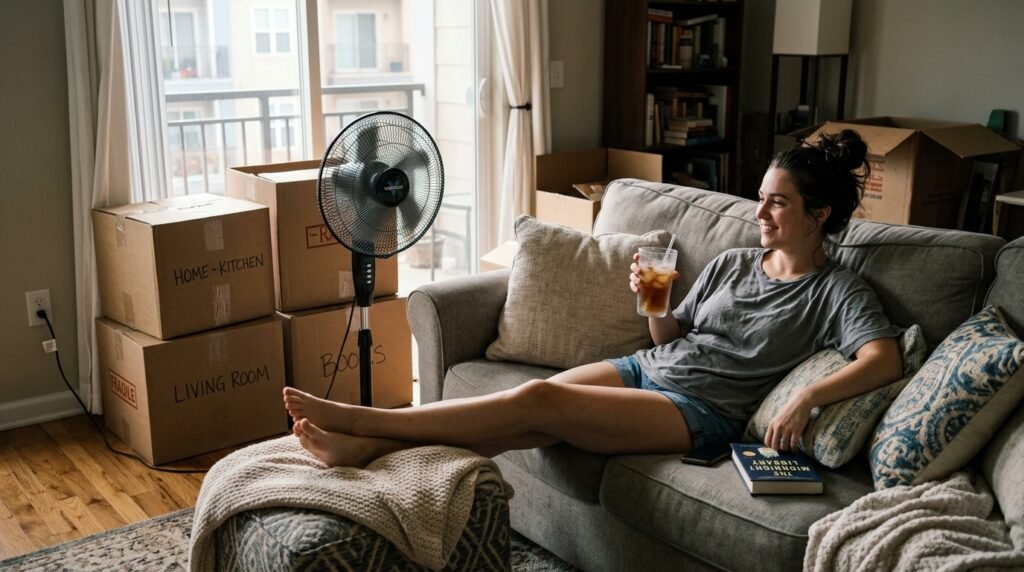
Navigating an apartment transition in severe summer temperatures demands a measured pace, clear logistical priorities, and consistent cooling strategies. By planning around off-peak hours, setting up climate control before unpacking, and taking proper heatwave moving precautions, you can protect both your physical well-being and your belongings. Focus on hydration, take mandatory cooling breaks in air-conditioned spaces, and never rush the loading process during peak afternoon heat. If you found these summer apartment moving tips helpful, save this guide to your moving bookmarks or share it with friends preparing for a warm-weather relocation.

Maren started MyFirstLease after a rough first lease taught him everything the internet didn’t. He covers the logistical side of renting — move-in checklists, utilities, and the unglamorous first-week stuff nobody explains — and oversees everything published on the site.