
Navigating summer rental market mistakes is critical when apartment hunting between May and August, as heightened competition and surging rental prices put immense pressure on prospective tenants. First-time renters often face steep competition from college graduates, relocating professionals, and families aiming to settle down before the school year begins.
Under pressure to secure housing quickly, many applicants make hasty compromises that carry lasting financial and legal consequences. Learning how to evaluate listings objectively and manage the rental transaction methodically keeps you from falling into costly traps during the peak leasing season.
Executive Summary

Peak-season leasing moves at an aggressive pace, frequently forcing applicants to submit paperwork within hours of viewing a property. When inventory turns over rapidly, standard due diligence is often skipped, leading renters to overlook mandatory property fees, restrictive lease clauses, and inflated moving expenses that drain cash reserves.
This guide outlines the four primary mistakes first-time renters make when the rental market reaches its summer peak. You will find actionable strategies for reviewing lease terms under pressure, calculating true seasonal moving expenses, identifying common rental scams, and inspecting physical climate-control systems before taking occupancy.
1. Rushing the Lease Signing

High applicant volumes often prompt leasing agents to impose artificial urgency, demanding signed contracts within twenty-four hours of application approval. Feeling pressured to act immediately to avoid losing the unit is one of the most common first time renter mistakes. In the rush to finalize the paperwork, tenants frequently overlook mandatory monthly addenda—such as valet trash, package locker subscriptions, administrative fees, and technology bundles—that inflate the base rent by $100 to $300 every month.
Taking the time to read the entire agreement remains essential, regardless of how many other applicants are touring the property. Essential summer lease signing tips include verifying the exact lease term dates, checking the penalty for early termination, and examining how the property handles utility billing. If the building utilizes a Ratio Utility Billing System (RUBS) rather than individual unit meters, you may end up paying for a portion of the entire building’s water and common-area cooling rather than just your personal consumption. Identifying these first time renter red flags before signing protects your budget for the entire year.
2. Overlooking Peak Moving Expenses

Securing an apartment approval is only the initial expense in an aggressive summer relocation. Between Memorial Day and Labor Day, demand for moving trucks, professional labor, and portable storage containers reaches its annual peak, driving baseline rental rates and hourly fees up by 25 to 50 percent compared to winter months. Budgeting based on off-season moving rates often leaves renters facing unexpected cash shortfalls on move-in weekend.
| Moving Factor | Peak Summer (May – August) | Off-Peak Winter (November – February) |
| Truck Rental Rates | Premium pricing; weekend surcharges common | Standard baseline pricing; frequent promotional discounts |
| Equipment Availability | Hand trucks and furniture pads frequently sold out | High inventory availability across all locations |
| Professional Labor | Booked 4–6 weeks in advance; strict cancellation policies | Flexible scheduling; shorter booking windows |
| Move-In Scheduling | Strict freight elevator time slots with narrow windows | Flexible elevator reservations and parking access |
To avoid these peak season moving mistakes, reserve your moving vehicle or labor at least four to six weeks in advance. If your move-in date allows flexibility, scheduling your truck pick-up on a Tuesday or Wednesday rather than a Saturday can yield substantial savings. Once settled, you can save additional funds on furnishings by utilizing budget home decor strategies and simple interior design hacks that save money rather than purchasing retail showroom sets immediately.
3. Falling for Scarcity Scams

Fraudulent listings proliferate during periods of low rental vacancy, taking advantage of desperate applicants eager to secure housing before competitive deadlines. Scammers routinely scrape photos and property details from active for-sale listings or legitimate rental portals, post them to classified sites at below-market rates, and claim they are out of town on an emergency. They then pressure interested renters to send a security deposit via peer-to-peer payment apps to “hold” the property before an in-person walkthrough.
Practical hot rental market tips emphasize that you must never transfer funds via wire, cash apps, or gift cards to someone you have not met in person at the physical property. To avoid rental scams summer operations rely on, cross-reference the property address with local county tax assessor records to verify actual ownership. If the person claiming to represent the property cannot provide physical access to the interior or refuses to provide a verifiable business address, walk away from the transaction immediately.
4. Skipping Unit Climate Checks
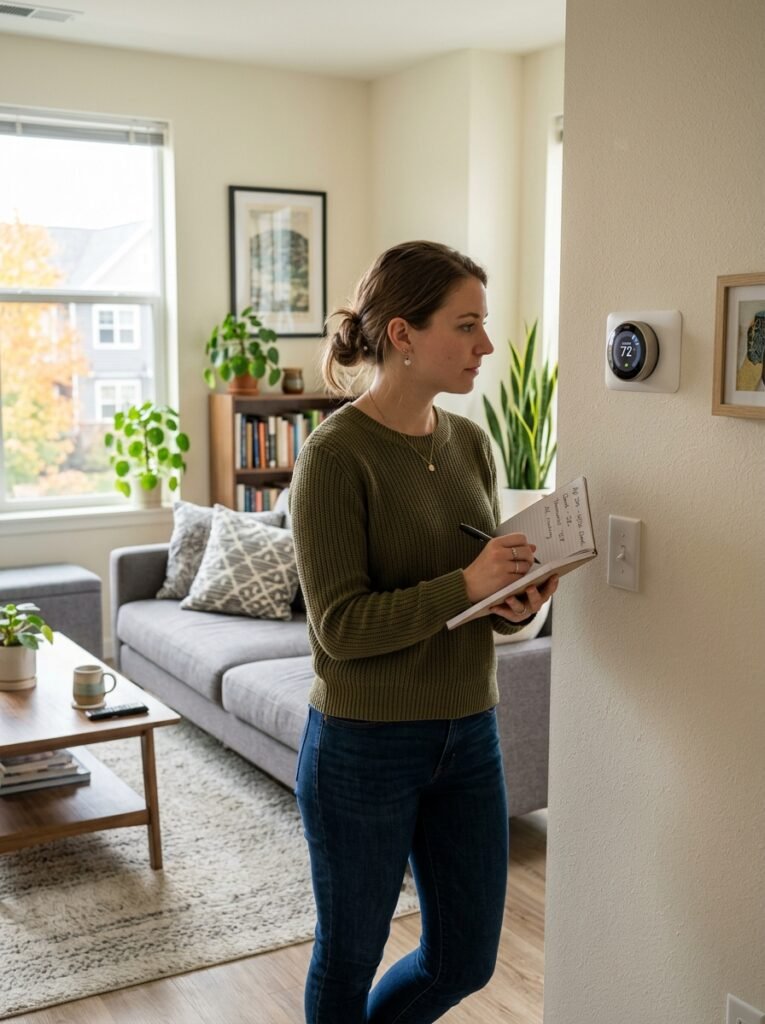
Viewing an apartment with the air conditioning already running can mask serious deficiencies in insulation and HVAC performance. During a brief summer walkthrough, an apartment may feel adequately cool, but that does not guarantee the cooling system operates efficiently or reliably during sustained heatwaves. Older window units or poorly maintained central systems can struggle to maintain safe temperatures, leading to continuous compressor cycles that double your expected electric bill.
Take the time to examine the mechanical and structural aspects of the space during your tour. Place your hand against the window glass and frames to detect thermal leaks, and inspect the exterior exposure; large south- or west-facing windows without shade will generate intense solar heat gain. Once you move in, hanging heavy thermal blackout panels or custom curtain designs can significantly block this heat transfer. Additionally, check the HVAC air filter for heavy dust buildup, and turn on the faucets to test water pressure while the air conditioner is running to ensure the property’s infrastructure handles normal household loads.
FAQ
Why is the summer rental market so competitive?
The summer rental season experiences a massive surge in demand due to college graduations, corporate hiring cycles, and families moving between academic school years. Favorable weather also makes moving easier, concentrating the majority of nationwide lease turnover between May and August.
How far in advance should I look for a summer apartment?
Begin searching 30 to 60 days before your intended move-in date. Most tenants are required to give 30 or 60 days’ notice before vacating, meaning landlords typically do not know what inventory will be available until that window opens. Starting earlier than 60 days rarely yields accurate listings.
Can I negotiate rent during the peak summer season?
Negotiating base rent is difficult when demand is high because landlords often have multiple qualified applicants waiting. However, you can sometimes negotiate non-rent terms, such as waiving a parking fee, requesting a longer lease term to lock in the rate, or asking for early access to the unit on move-in day.
What is the best way to handle competitive rental applications?
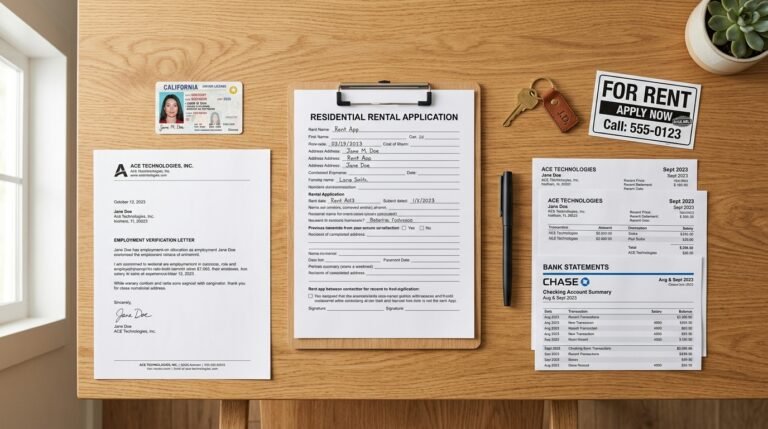
Arrive at property viewings with all necessary documentation ready to submit immediately. Having your recent pay stubs, bank statements, photo identification, and contact information for past landlords organized in a single folder allows you to complete applications on the spot before other applicants leave the tour.
Should I move on a weekday or a weekend in the summer?
Moving on a weekday is generally preferable. Rental truck companies and professional movers often charge lower rates from Monday through Thursday, street parking for loading is easier to secure in residential neighborhoods, and building management offices are open to resolve key or elevator access issues immediately.
Conclusion

Navigating an apartment search in a competitive environment requires discipline, thorough documentation, and emotional detachment. By giving yourself adequate time to review lease contracts, booking your moving equipment well in advance, verifying property ownership, and inspecting cooling systems, you can easily prevent common summer rental market mistakes. Protecting your finances and peace of mind begins with making sound, evidence-based decisions rather than giving in to seasonal pressure. If you found these competitive rental market tips helpful, save this guide to your moving checklist or share it with a friend preparing for an upcoming relocation.

Maren started MyFirstLease after a rough first lease taught him everything the internet didn’t. He covers the logistical side of renting — move-in checklists, utilities, and the unglamorous first-week stuff nobody explains — and oversees everything published on the site.