Quick Answer: You can meaningfully transform a rental for as little as $50-150 using no-drill methods like removable wallpaper, command strips, and swapped hardware — all fully deposit-safe and reversible. A more complete room refresh (rugs, lighting, textiles) typically runs $150-400 per room, still without a single permanent change to the unit.
Most decorating guides fall into one of two traps: either they’re written for homeowners who can drill, paint, and rip out tile freely, or they’re long scroll-through shopping lists with no actual sense of what anything costs or where to start first. This guide is neither. It’s organized the way you’d actually approach it — by how much you have to spend, and by which room you’re tackling first — with real prices and renter-safe methods throughout.
First: What “Renter-Friendly” Actually Means
Before spending anything, it helps to know the three categories everything in this guide falls into:
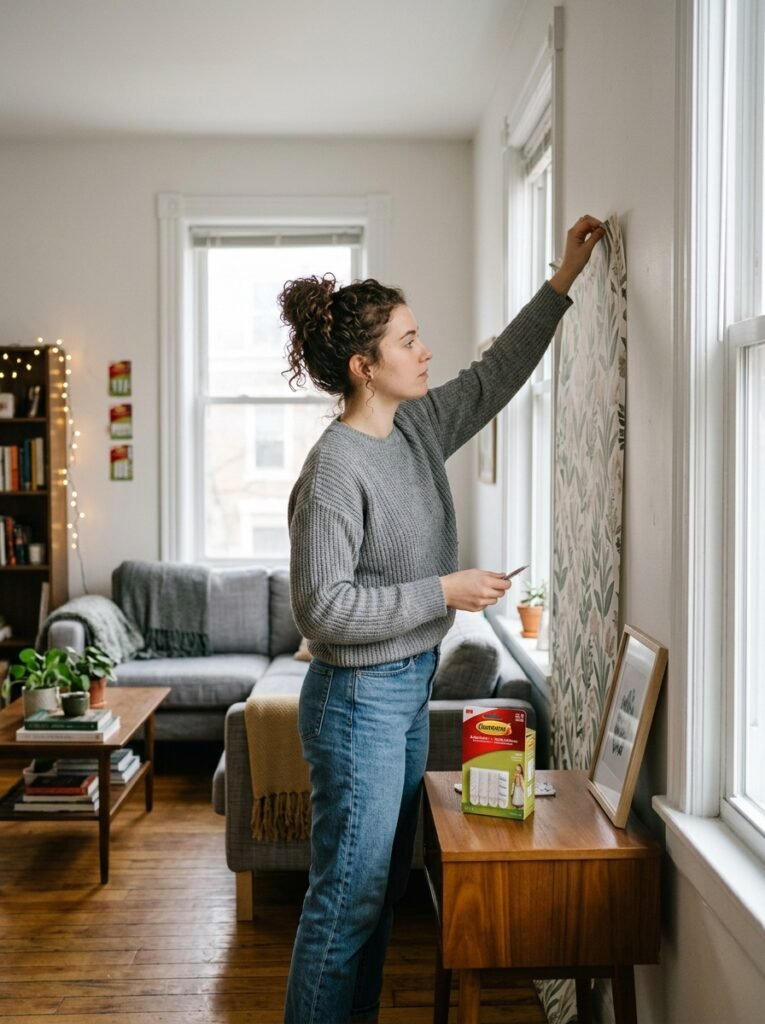
- Fully reversible, zero risk — removable wallpaper, command strips/hooks, peel-and-stick floor tile, tension rods, plug-in lighting. These leave no trace and need no landlord approval in almost all lease agreements.
- Reversible, but check your lease — paint (most leases allow it if you repaint back to the original color before move-out), swapped hardware (keep the original pieces to reinstall later).
- Needs landlord permission first — anything involving drilling into walls for shelving, light fixture swaps involving wiring, or anything affecting plumbing fixtures.
Every idea below is called out by category so you’re never guessing whether something puts your deposit at risk.
Budget Tier 1: $0-75 (Small Space, Small Spend)
This tier is about maximum visual impact per dollar, using changes that take an afternoon.
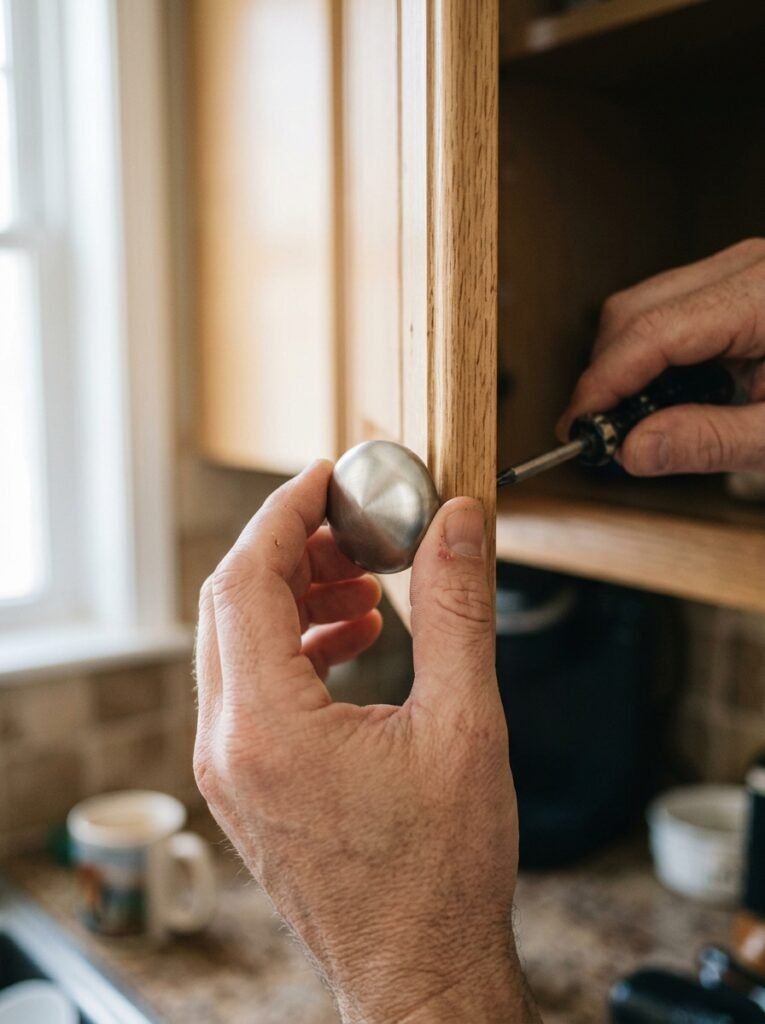
- Swap cabinet or dresser hardware — new knobs and pulls run roughly $2-8 each; a full kitchen’s worth typically lands under $60 total, and it’s one of the highest-impact, lowest-effort changes available. Keep the old hardware in a labeled bag for move-out.
- Command strip gallery wall — heavy-duty picture-hanging strips (rated for various frame weights) let you build a full gallery wall with zero holes. A starter multi-pack typically runs $15-25 and covers 4-6 medium frames.
- Unframed art with removable putty — skip framing costs entirely; poster prints or postcards mounted with adhesive putty cost next to nothing and can be swapped seasonally.
- New toilet seat and cabinet knobs in the bathroom — a genuinely underrated $20-30 change that makes a rental bathroom feel meaningfully newer.
Budget Tier 2: $75-200 (One Focal Wall or a Full Room Refresh Start)
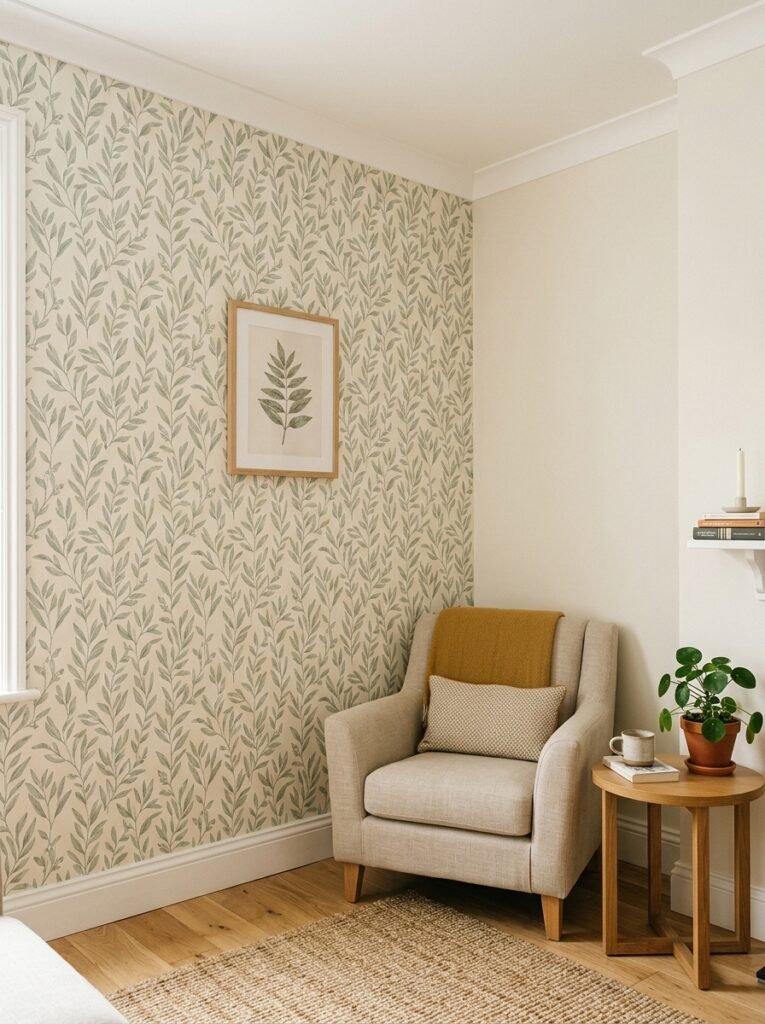
- Removable (peel-and-stick) wallpaper for one accent wall — budget peel-and-stick options typically run $1-4 per square foot, meaning a standard 8×10 accent wall (about 80 sq ft) lands around $80-160 depending on the pattern and brand. This is the single highest “wow factor per dollar” change in this whole guide, and it comes off cleanly at move-out when applied to a properly painted (not textured) wall — always test a small corner first.
- Peel-and-stick vinyl floor tile in a kitchen or bathroom — priced similarly per square foot to wallpaper, and installs directly over existing tile or vinyl without removing anything underneath. A small kitchen floor or bathroom can often be done for $100-200 in materials.
- Curtains or roman shades — swapping out builder-basic blinds for real curtains is one of the most reliable “makes it feel like a home” changes tenants report. Budget curtain panels plus a tension or spring-loaded curtain rod (no drilling required) typically run $60-120 for a standard window.
- A large area rug — especially in units with plain builder-grade flooring, a rug anchors a room instantly. Budget options for a living-room-sized rug typically start around $80-150.
Budget Tier 3: $200-400+ (Full Room Transformation)
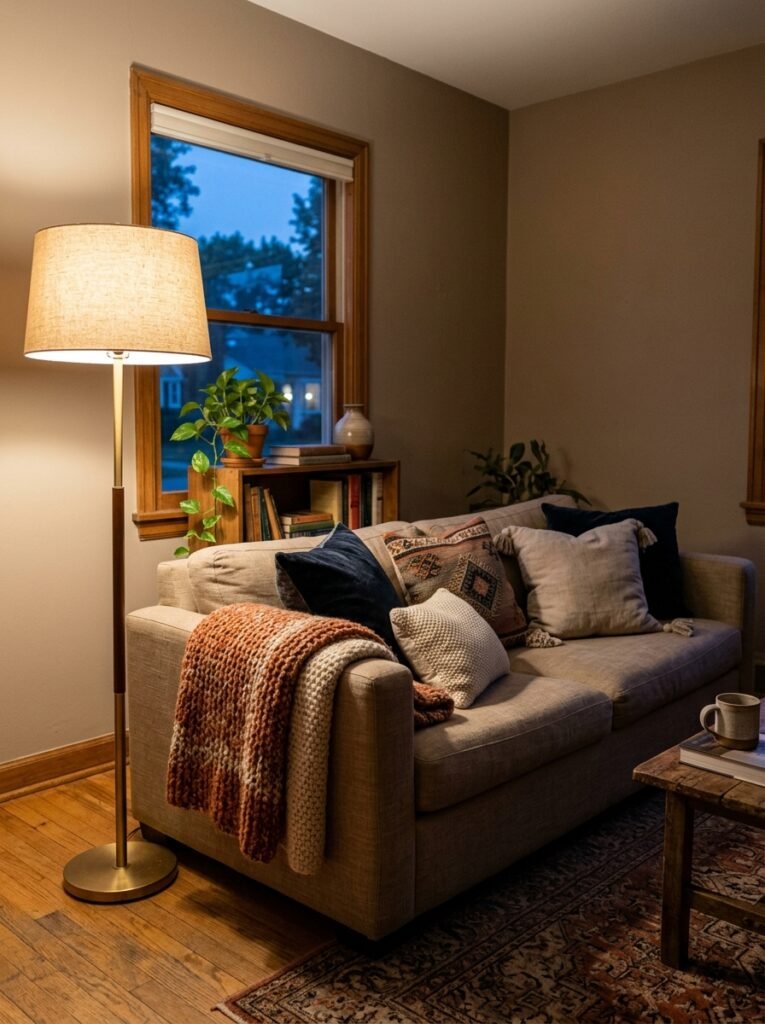
- Layer in real lighting — swap out any harsh overhead lighting for plug-in floor and table lamps (no electrician needed), typically $30-60 each, 2-3 per room.
- Textiles across the room — new throw pillows, a throw blanket, and a slipcover for an existing rental-provided or secondhand couch collectively run $100-200 and change the entire feel of a living room without buying furniture.
- A full removable-wallpaper room (not just one wall) — scaling the Tier 2 wallpaper idea to 2-3 walls, typically $250-450 in materials depending on room size, remains fully move-out safe.
- Renter-friendly kitchen backsplash — peel-and-stick backsplash tile or a wallpaper-style backsplash application, generally $100-250 for a standard kitchen, is one of the most photographed rental upgrades on Pinterest for a reason: it transforms the whole kitchen for a fraction of a real tile job.
Room-by-Room: Where to Actually Start
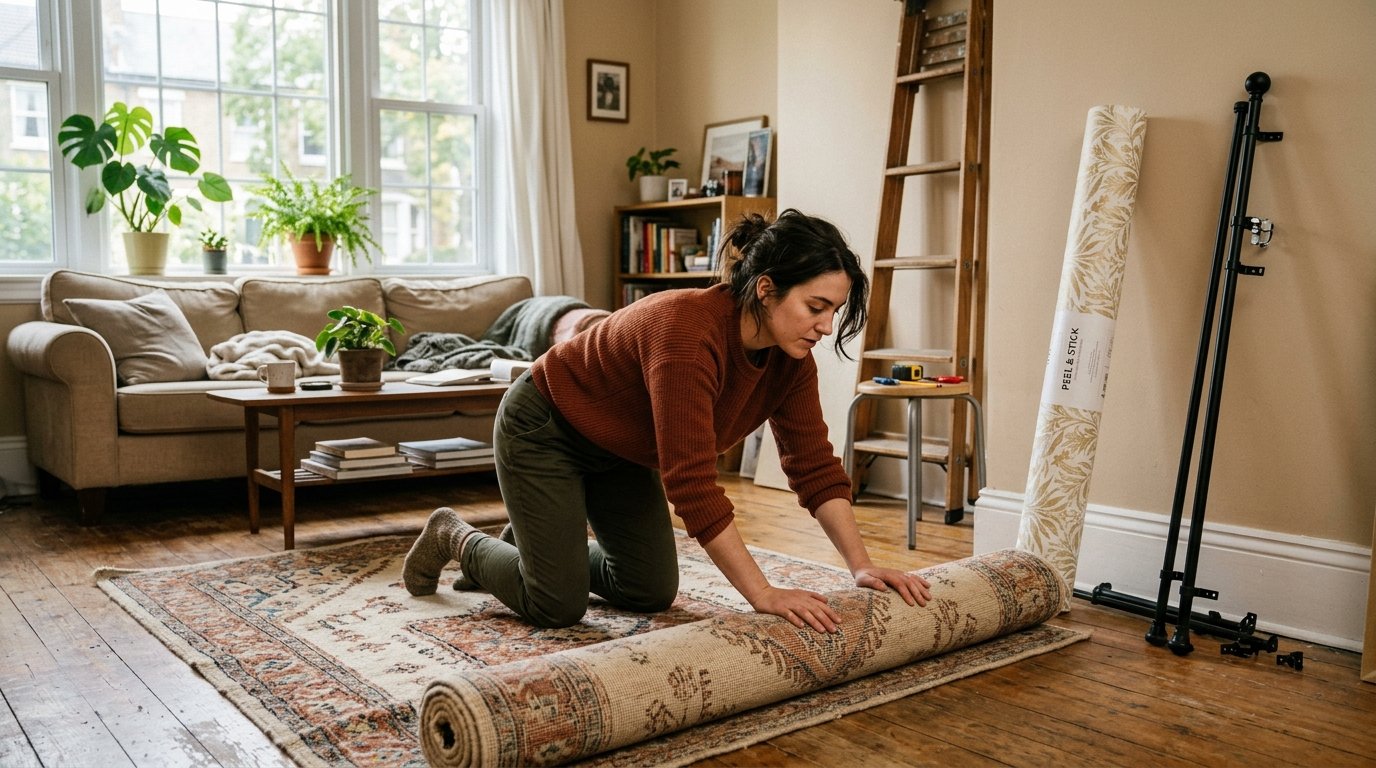
Living Room: Start with the rug, then curtains, then lighting — in that order. Those three changes alone address the three things that make builder-basic living rooms feel unfinished: bare flooring, generic blinds, and flat overhead light.
Bedroom (including studios): A statement accent wall (wallpaper or a large unframed art arrangement) behind the bed does the most visual work for the least effort, since it’s the first thing you see entering the room.
Kitchen: Hardware swap first (cheapest, fastest), then peel-and-stick backsplash or floor tile if budget allows. Skip anything involving the actual cabinets or countertops themselves — those changes are harder to reverse cleanly and rarely worth the risk in a rental.
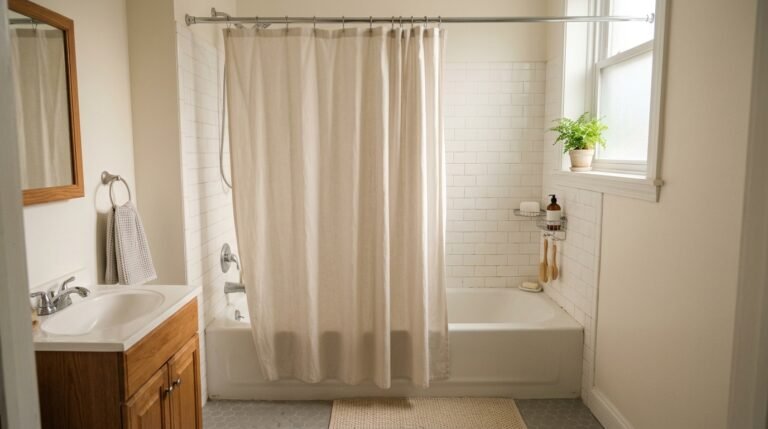
Bathroom: New hardware, a new shower curtain and bath mat, and a toilet seat swap. This is the room where a small budget goes the furthest, since rental bathrooms are almost always the most neglected.
Small Space and Studio-Specific Tips
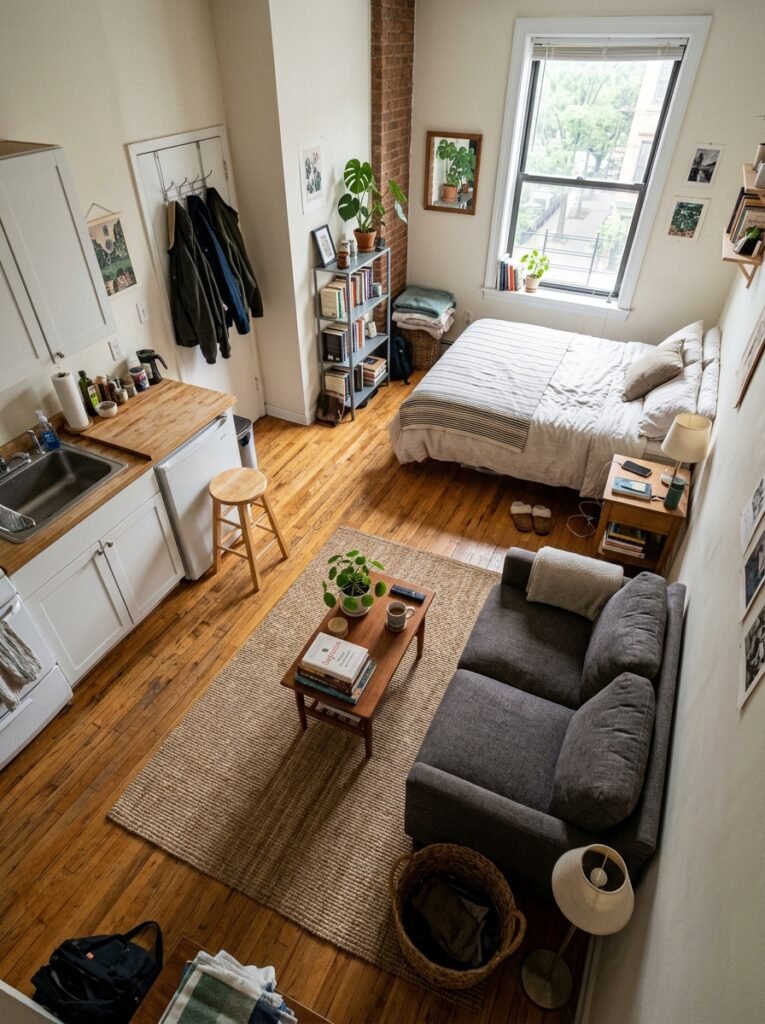
If you’re decorating a studio or a small one-bedroom, a few extra rules apply:
- Use vertical space, not floor space. Wall-mounted (command-strip-compatible) shelving and hanging organizers free up floor area without adding furniture footprint.
- Define zones with a rug, not a wall. A rug under just the “living area” portion of an open studio visually separates it from the sleeping area without any construction.
- One bold wall, not four. Small spaces read as cluttered fast — apply wallpaper or a gallery wall to a single wall as a focal point, and keep the remaining walls simple.
- Mirrors are the cheapest square-footage trick that exists. A single large mirror, propped rather than hung if you want to avoid any wall attachment at all, visually doubles a small room’s sense of space.
Pro Tip
Before buying any peel-and-stick product — wallpaper, tile, or backsplash — always test a small, inconspicuous section first (inside a closet or behind furniture works well). Rental walls are painted with widely varying paint types, and some flat or textured finishes cause adhesive to peel unevenly or take paint off with it at removal. A five-minute test now saves a deposit deduction later.
Frequently Asked Questions
Will removable wallpaper actually come off cleanly at move-out? In most cases, yes, when applied to a smooth, properly painted (satin or eggshell) wall — flat paint finishes are the main exception, so always test first. Manufacturer guidance typically confirms it’s designed specifically for rental use.
Do I need my landlord’s permission for peel-and-stick products? Most leases don’t require permission for fully removable products since nothing is permanently altered, but it’s worth a quick check of your specific lease language, especially if it explicitly restricts wall coverings.
What’s the single best first purchase on a tight budget? A large area rug or a set of real curtains — both address the two things that make a rental feel most “unfinished” (bare floors and builder blinds) and both move with you to your next place.
How much should I realistically budget for a full living room refresh? Based on the tiers above, a genuinely complete refresh (rug, curtains, lighting, textiles) typically lands in the $250-450 range total, spread across a few purchases rather than all at once.
Conclusion
You don’t need permission, a toolbox, or a big budget to make a rental feel like yours — you need to know which changes are actually reversible, and roughly what they cost before you start. Start with whichever budget tier fits your situation this month, tackle one room at a time, and layer in more as you go. If you’re just settling into a new place, it’s worth pairing this with our new apartment grocery and essentials checklist and our first apartment checklist so decorating fits into the bigger picture of getting fully moved in.

Maren started MyFirstLease after a rough first lease taught him everything the internet didn’t. He covers the logistical side of renting — move-in checklists, utilities, and the unglamorous first-week stuff nobody explains — and oversees everything published on the site.