
Quick Answer: Renting an older home (generally 30+ years) often means more character, larger rooms, and sometimes lower rent than new construction — but it also means a higher chance of outdated wiring, older plumbing, drafty windows, and higher utility bills. Before you sign, ask about the home’s age directly: if it was built before 1978, federal law requires your landlord to disclose any known lead-based paint hazards in writing before you sign the lease.
If you’ve searched “renting an older home,” you’ve probably noticed something odd: most of what comes up online is written for landlords deciding whether to rent out an old house, not for someone like you deciding whether to rent into one. This guide flips that around. It’s written entirely from your side of the lease.
Why an Older Home Might Actually Be the Better Choice
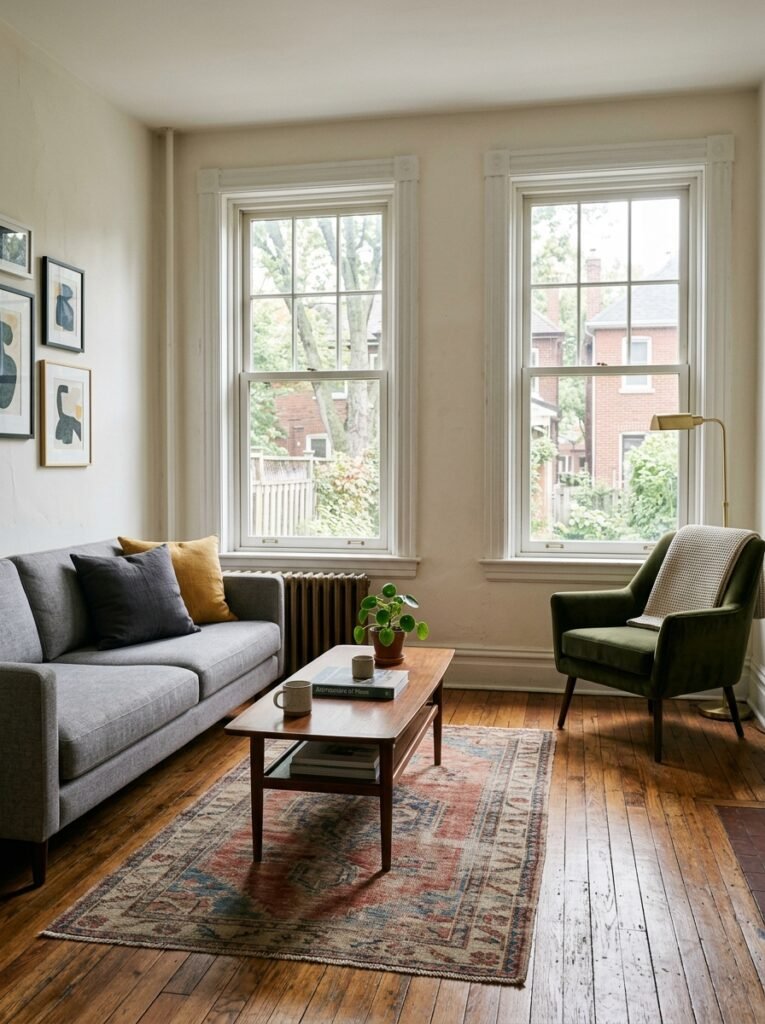
Older doesn’t mean worse — in a lot of rental markets, it means better value.
- More space for the price. Homes built before the 1990s were often designed with larger bedrooms, real closets, and separate dining areas — square footage that newer “efficient” floor plans have trimmed away.
- Established neighborhoods. Older housing stock tends to sit in neighborhoods with mature trees, walkable streets, and closer proximity to a city center, since that’s often where cities were built outward from first.
- Character you can’t get in new construction. Hardwood floors, crown molding, built-in shelving, and real plaster walls are common in older units and rarely included in budget new builds.
- Sometimes lower rent. Landlords of older properties, especially ones that haven’t been fully renovated, often price slightly below newer buildings with amenities like gyms or package rooms — a real consideration if you’re working with a tight budget.
None of this means you should walk in blind, though. The tradeoffs are real, and they show up in different places than they do with a new build.
What “Older” Actually Means, Age-Wise
There’s no single legal definition, but it’s useful to think in three brackets when you’re evaluating a listing:
| Age Range | What It Typically Means |
|---|---|
| 20-40 years old | Likely updated systems, but check the roof, water heater age, and appliance age |
| 40-70 years old | Original wiring or plumbing is common unless explicitly renovated; ask direct questions |
| 70+ years old (pre-1955) | Higher chance of outdated electrical panels, older foundation types, and lead-based paint if built before 1978 |
Knowing which bracket your potential rental falls into changes which questions matter most.
The Real Cons — And What to Actually Look For
This is the part most articles skip entirely, because they’re written for the person who already owns the house. Here’s what actually affects you as the person living in it.
Electrical systems
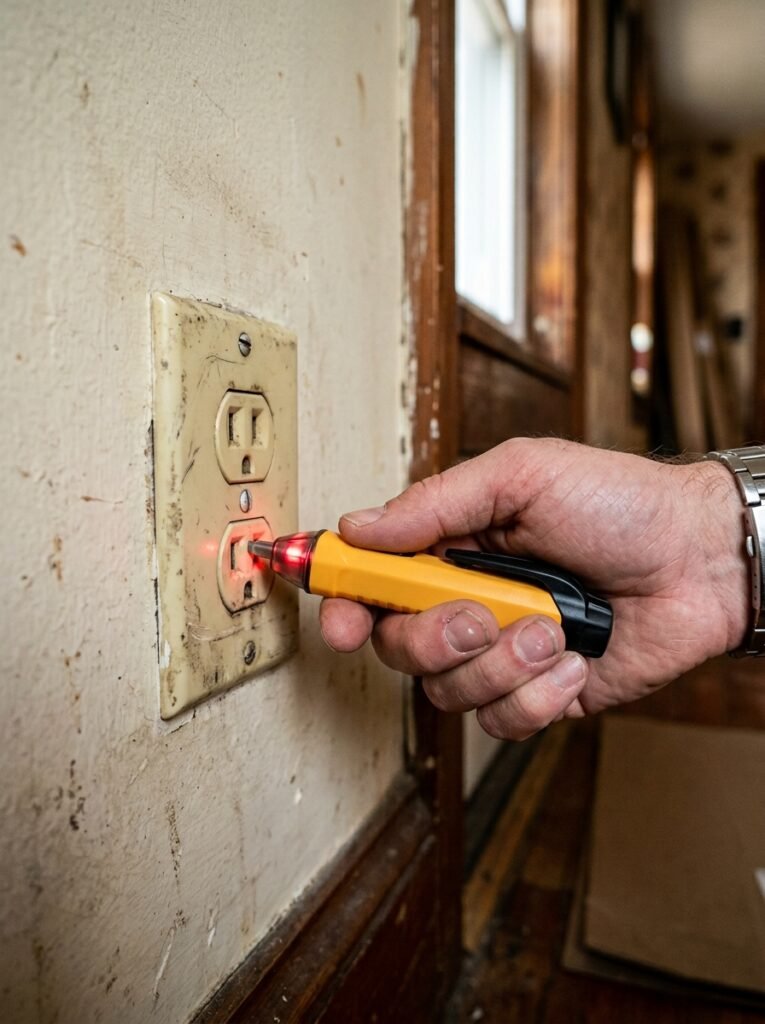
Homes built before the 1960s sometimes still have older wiring types or fuse boxes instead of modern breaker panels. Warning signs during a walkthrough: outlets that don’t have a ground pin (only two slots instead of three), a visibly old fuse box in the basement or utility closet, or a landlord who mentions “the wiring hasn’t been touched since it was built” like it’s a selling point.
Plumbing
Older pipes made of galvanized steel can corrode internally over decades, leading to low water pressure and occasional discoloration. Run the kitchen and bathroom faucets during your walkthrough — cloudy or rust-tinted water, or noticeably weak pressure, is worth asking about directly.
Insulation, windows, and utility costs
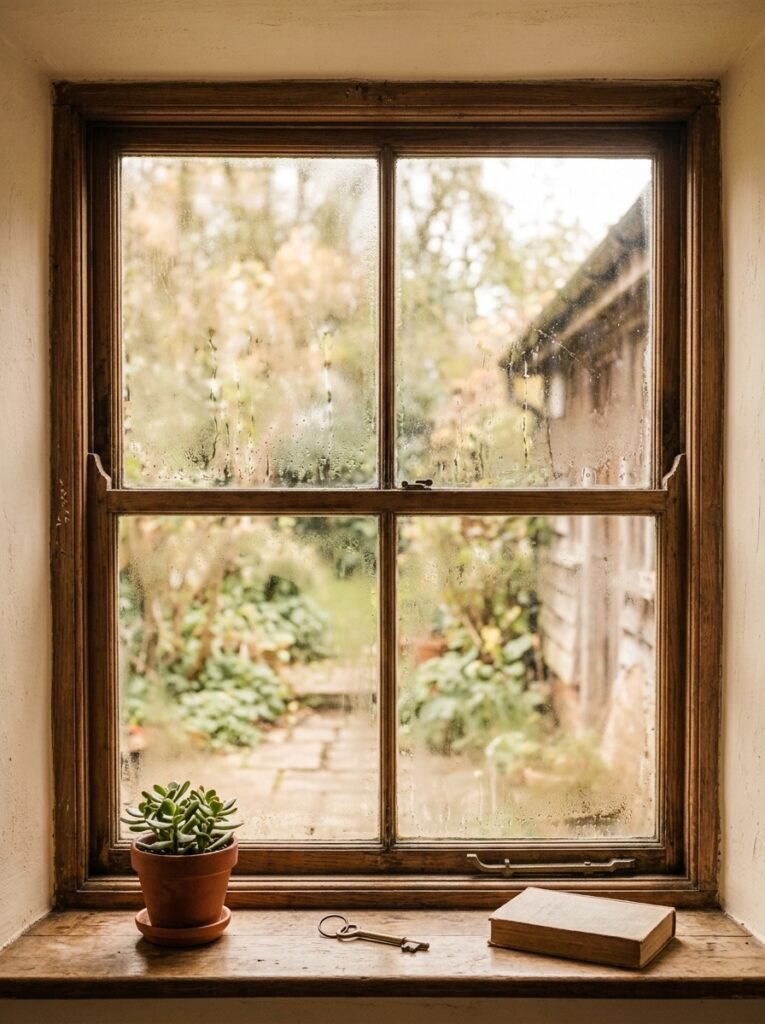
This is the cost that surprises first-time renters most. Older single-pane windows and thinner wall insulation mean your heating and cooling bills can run noticeably higher than in a comparably sized newer unit — sometimes by 20-30% in extreme climates. If you haven’t already, it’s worth checking our full breakdown of average apartment utility costs by state so you can budget realistically before signing.
Foundation and structural signs
Hairline cracks in plaster are common and usually cosmetic in older homes as they naturally settle over decades. What’s not normal: doors and windows that stick or won’t latch, visibly uneven floors, or large diagonal cracks near door and window frames — those are worth a direct question to the landlord, not a reason to panic, but a reason to ask.
Pests
Older homes with gaps around foundations, pipes, or siding are more prone to seasonal pest issues than tightly sealed new construction. Ask whether the unit has had any pest treatment in the past year, and whether that’s the landlord’s responsibility or yours going forward — this should also be spelled out in your lease.
The One Legal Protection Almost Nobody Mentions
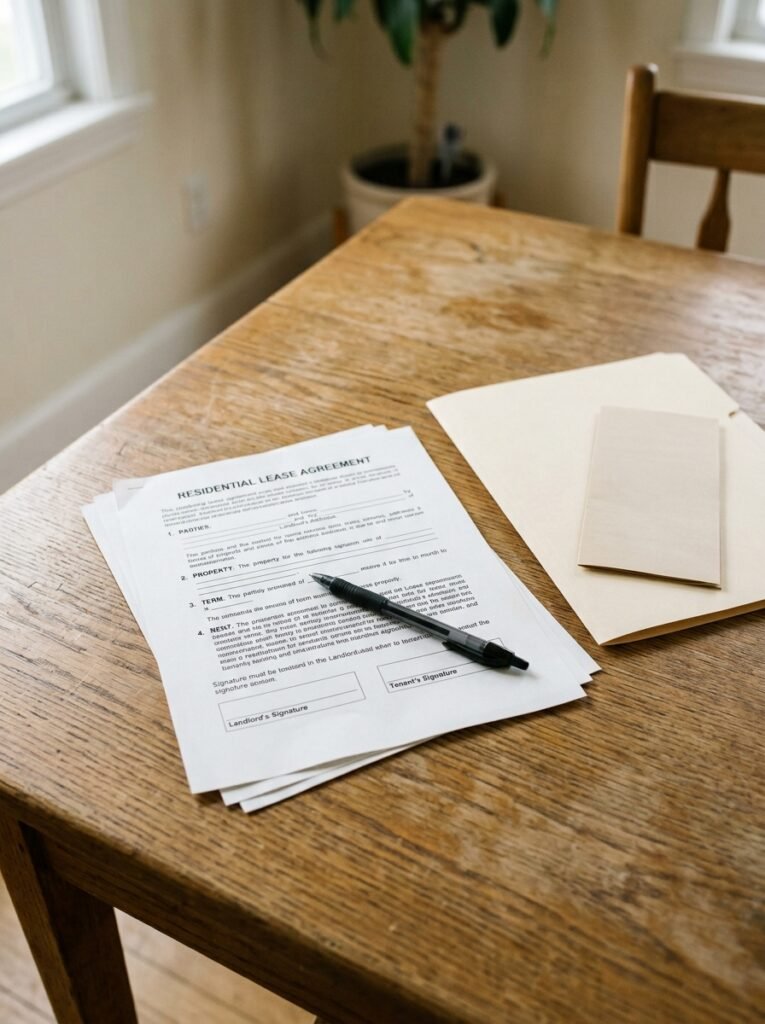
If the home you’re considering was built before 1978, you have a federal legal right that most first-time renters have never heard of: the Lead-Based Paint Disclosure Rule under Title X of the Residential Lead-Based Paint Hazard Reduction Act.
In plain terms: your landlord is legally required to tell you, in writing, before you sign anything, whether they know of any lead-based paint or lead paint hazards in the unit — and to give you an EPA-approved information pamphlet about it. This applies whether it’s a single rental home or a large apartment building, and it applies to the landlord regardless of how many units they own.
Practically, this means:
- If your unit was built before 1978, you should receive a signed lead-paint disclosure form as part of your lease paperwork — not something you have to dig up yourself.
- If it wasn’t provided and you’re not sure why, it’s fair to ask directly: “Was this property built before 1978, and if so, can I get the lead disclosure form?”
- Lead paint in good condition, unchipped and unpeeling, generally isn’t considered an active hazard — this disclosure exists so you know what you’re moving into, not to alarm you unnecessarily.
This single fact is worth knowing before you sign anywhere older, and it’s something almost none of the existing guides on this topic mention, because most of them are written for the landlord’s side of that same disclosure requirement.
Your Pre-Lease Walkthrough Checklist
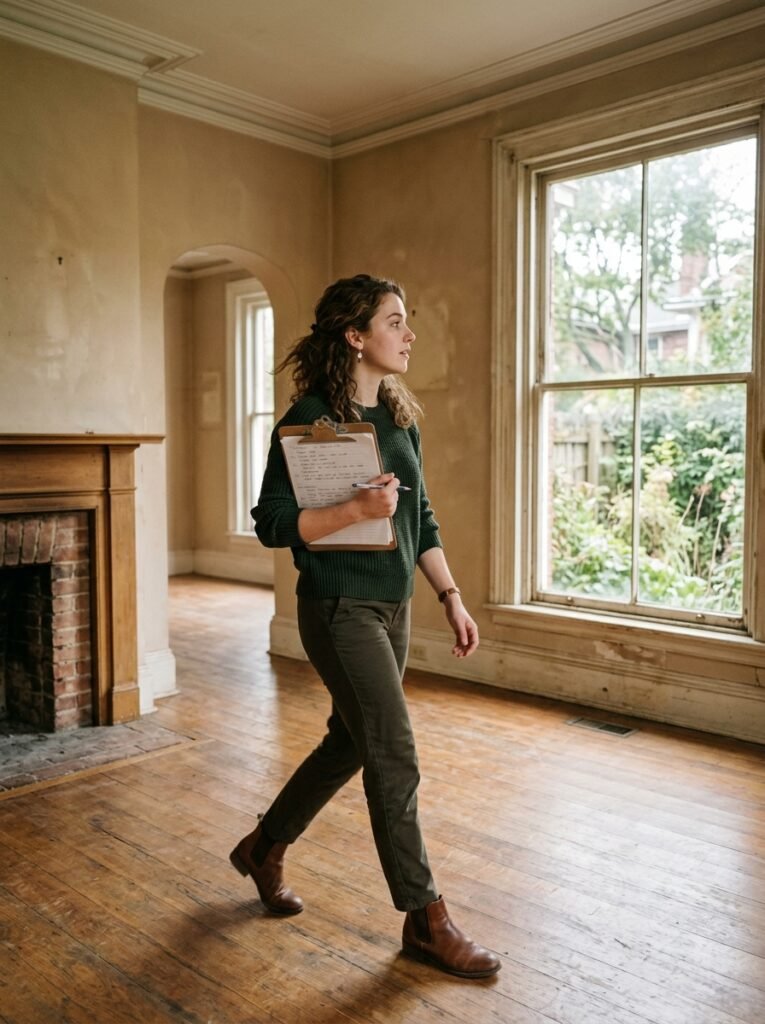
Bring this list with you on your showing:
- Test every faucet for water pressure and clarity
- Check outlets for grounding (3-prong vs. 2-prong)
- Open and close all windows and doors to check for sticking
- Ask the age of the water heater and HVAC system
- Ask directly whether the home was built before 1978, and if so, request the lead disclosure form
- Look for visible water stains on ceilings (sign of past or current leaks)
- Ask what’s included in your rent vs. billed separately (older buildings sometimes still use shared/master utility meters)
- Ask who’s responsible for pest control and seasonal maintenance
What to Ask Before You Sign
A short, direct list of questions tends to get you further than a long one:
- Has the electrical panel been updated, and when?
- When was the roof last replaced or inspected?
- Is there a lead-paint disclosure form for this unit?
- What’s the average utility bill for a unit this size in winter and summer?
- Who do I contact for maintenance, and what’s the typical response time?
Pro Tip
Ask the current or most recent tenant, if you can reach one, how they’d rate the landlord’s responsiveness to maintenance requests specifically for older-home issues like heating or plumbing. A landlord who’s slow to respond on a newer building is inconvenient — a landlord who’s slow to respond when your only heat source in an older unit goes out in January is a much bigger problem.
Frequently Asked Questions
Is it more expensive to rent an older home? The rent itself is often lower, but utility costs can run higher due to less efficient insulation and older HVAC systems — factor both into your real monthly cost, not just the listed rent.
Do I have any legal protection buying — er, renting — an older home? Yes. Beyond your state’s general landlord-tenant law, homes built before 1978 carry a specific federal requirement: your landlord must disclose known lead-based paint hazards in writing before you sign.
What’s the biggest red flag during a walkthrough of an older rental? Ungrounded outlets combined with a visibly outdated fuse box is the single biggest flag — it usually means the electrical system hasn’t been meaningfully updated in decades.
Should I get renters insurance for an older rental? Yes, and if anything, it matters more — older properties have marginally higher risk profiles for issues like plumbing leaks or electrical faults, and renters insurance protects your belongings regardless of the building’s age or condition.
Conclusion
An older home can genuinely be the better rental choice — more space, more character, and often a lower rent — as long as you know what to check before you sign, not after you move in. The wiring, the plumbing, the insulation, and one specific federal disclosure law are the four things worth actually asking about. Everything else is the same due diligence you’d do for any rental. If you’re also working through your first apartment budget or gathering your rental application documents, those guides pair well with this one before you sign anything.

Maren started MyFirstLease after a rough first lease taught him everything the internet didn’t. He covers the logistical side of renting — move-in checklists, utilities, and the unglamorous first-week stuff nobody explains — and oversees everything published on the site.