
If you’re learning how to keep electric bill low in an apartment on a tight budget, you already know the hard part: as a renter, you can’t rewire anything, swap the furnace, or upgrade the water heater. This guide is written for budget-tight first-time renters — especially those in older buildings with electric heat — and it sticks to moves tenants can actually make: free habits, sub-$20 purchases, and billing tricks your utility company won’t volunteer.
Under $60 is an ambitious target, not a guarantee. In a small unit during mild months, disciplined renters genuinely get there; in deep winter with electric baseboards running, the honest goal is “as close to $60 as the season allows.” Every tip below respects a renter’s real constraints: no permanent changes, no appliance swaps, nothing that risks the deposit.
Direct answer: To keep your apartment electric bill low, cut heating and cooling first (they’re the biggest slice), kill phantom power with power strips, run laundry in cold water on full loads, swap in LEDs, and call your utility about time-of-use or budget-billing plans. Renters who stack all of these can push a small unit’s bill toward $60 in mild months.
Quick Summary

Most advice about apartment electricity saving tips reads like homeowner advice with the word “apartment” swapped in — it tells you to buy a new washer or insulate the attic. That doesn’t help a first-time renter in a 1970s walk-up where the heat comes from baseboard strips and the windows haven’t been touched since the building was constructed.
This article is different: all 15 ways are organized by where your electricity actually goes, and each one is filtered through what a tenant is allowed to change. You’ll learn to read your bill the way the utility does, tame electric heat without freezing, make the building’s billing method work for you, and spot the silent power drains that pad your bill every single month. Budget-tight renters need practical moves, not lectures — and that’s exactly what’s here.
1. Read Your Bill Like a Renter
Your electric bill has two stories on it: the dollar total, which everyone reads, and the kilowatt-hour (kWh) usage, which is the one that actually tells you what’s happening. Tip 1: compare months by kWh, not dollars. If your usage is steady but the total jumped, the culprit is a rate change, a new fixed fee, or an estimated reading catching up — not your habits. If kWh spiked, something in your apartment changed: longer heating hours, a new appliance, or a device running nonstop.
Tip 2: find out how your building bills you. Many older buildings don’t have individual electric meters — the landlord gets one master bill and passes your share through to you, sometimes via a third-party billing company that adds its own monthly fee. Ask your landlord or property manager how your electric charge is calculated. If it’s a pass-through formula rather than your own meter, your bill can rise even when your usage doesn’t — and that’s worth knowing before you sign your next lease. Our guide to 17 Hidden Apartment Fees to Budget For explains pass-through billing in detail, since it often hides in the fine print.
2. Win the Thermostat Game

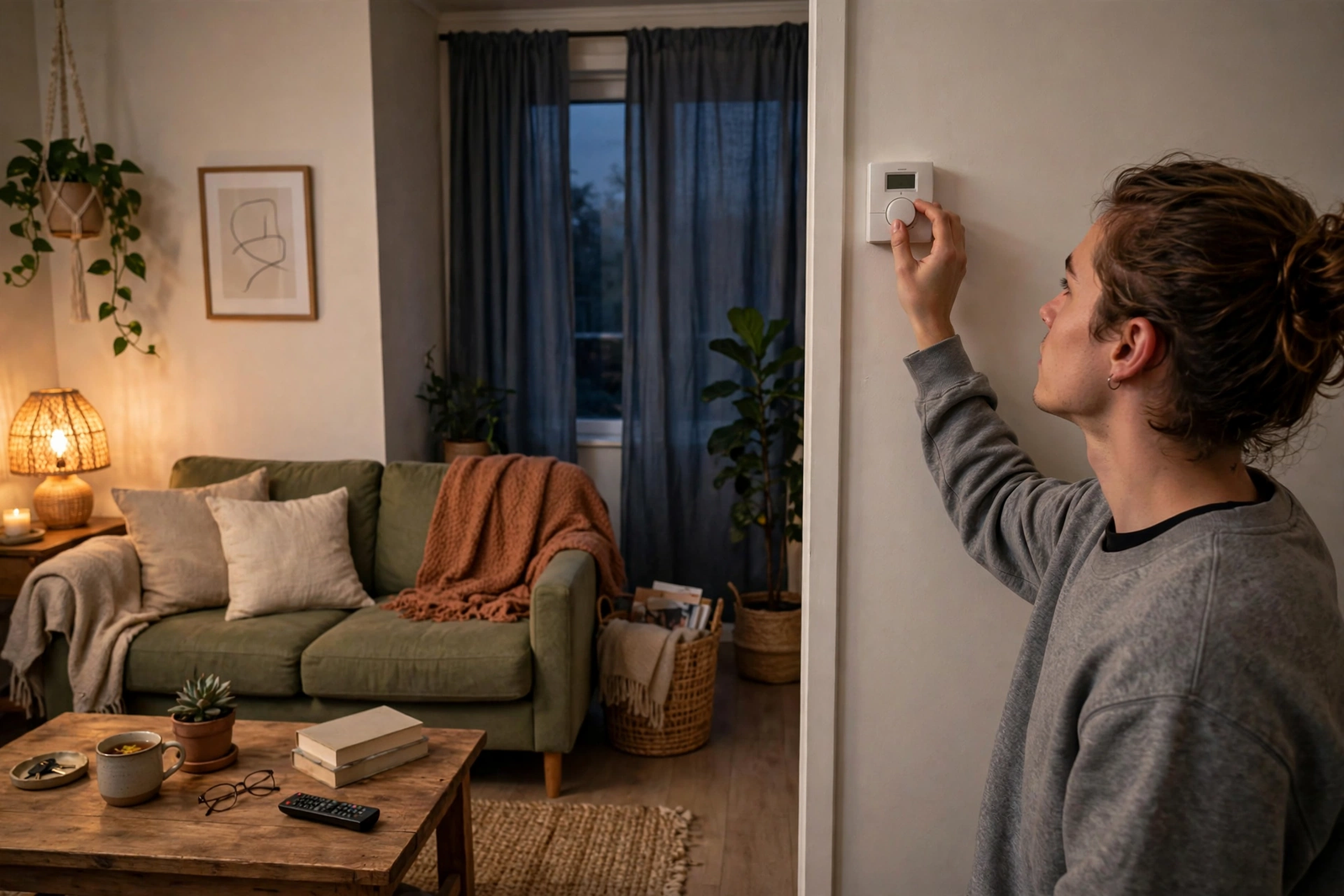
Heating and cooling typically eat the biggest share of an apartment electric bill, so thermostat settings in an apartment deserve more attention than every other tip combined. Tip 3: set the thermostat back when you’re asleep or out. A few degrees lower in winter (with a blanket) or higher in summer (with a fan) cuts the hours your system runs, and hours are what the meter counts. If your thermostat has a simple schedule or timer feature, use it — setbacks you have to remember are setbacks that don’t happen.
Tip 4: make your body the first line of defense. A fan uses a fraction of the power of air conditioning and lets you feel comfortable at a warmer setting; in winter, dressing warmly indoors and keeping a thick blanket on the couch lets you hold a cooler setting without noticing. Older buildings often have a single thermostat for the whole unit, which is actually an advantage here: one setback decision covers the entire apartment.
3. Tame Electric Heat

If your apartment has electric heat — common in older buildings — winter is where your bill gets made or broken, and this is the section the generic tip lists skip. Tip 5: heat less space, not more. Electric baseboard heaters draw steady power the entire time they run, so closing the doors to rooms you aren’t using (and turning those heaters down, not off, so nothing freezes) shrinks the area you’re paying to warm. In very cold climates, don’t drop unused rooms below the point where pipes are at risk — ask your landlord what minimum setting they recommend for the building.
Tip 6: be strategic with a space heater. Electric resistance heat costs essentially the same per unit of warmth whether it comes from your baseboards or a plug-in heater — the savings come from warming one room for a couple of hours instead of the whole apartment all day. Use one heater in the room you’re actually in, and turn the rest of the apartment’s heat down while you do. Use space heaters with caution: keep them clear of curtains and furniture, never leave one running unattended or while you sleep, and plug them directly into a wall outlet.
4. Cut Phantom Power
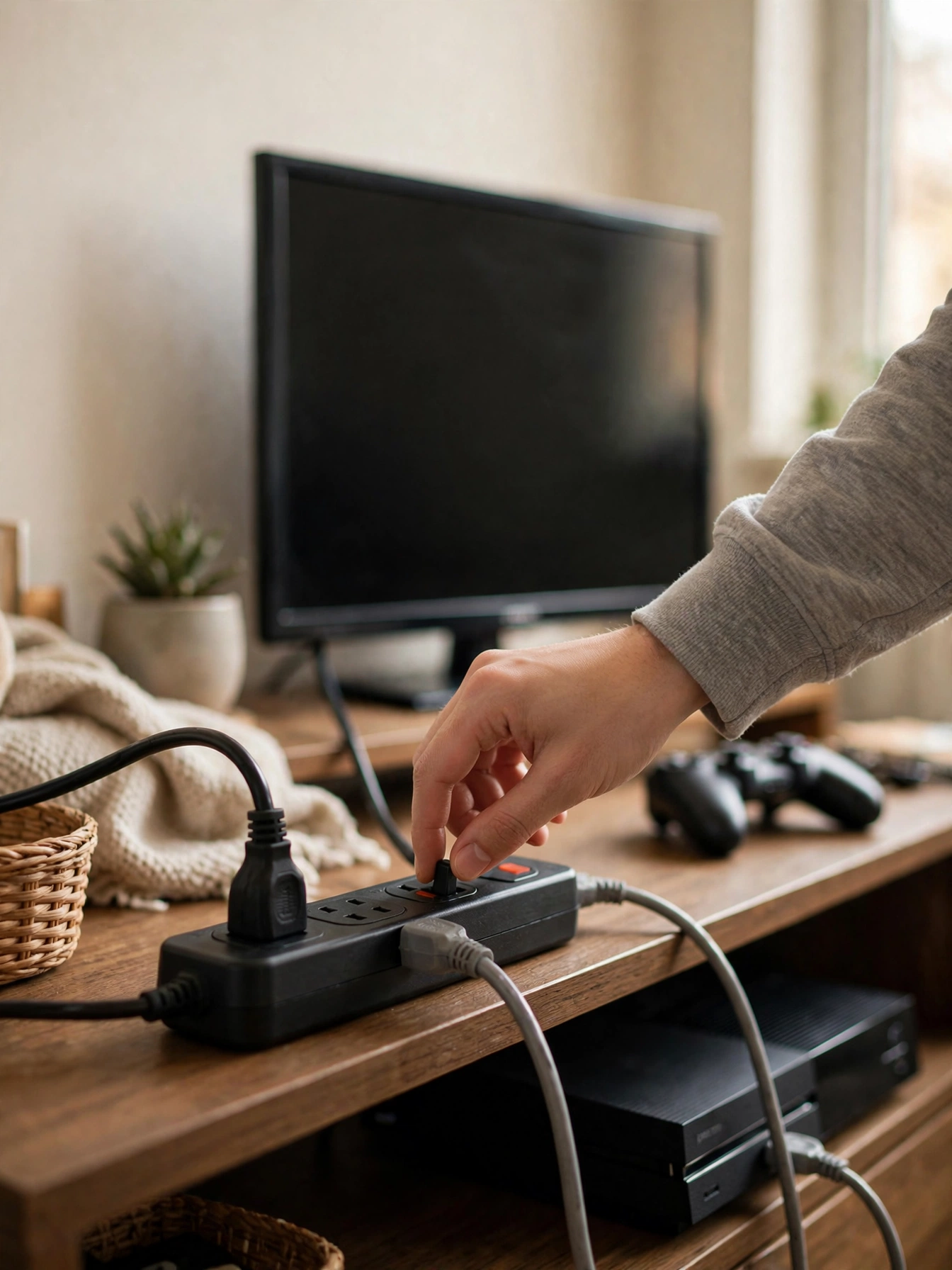
Some of your bill is for things you never turned on. Tip 7: do a one-night plug audit. Walk your apartment and notice everything with a glowing standby light or a warm power brick: the TV, the game console, the coffee maker, the phone charger that hasn’t charged a phone in a week. Unplugging the ones you rarely use costs nothing and stops a slow, month-long drain.
Tip 8: put your entertainment corner on one power strip with a switch. TV, streaming stick, console, soundbar — one flick cuts them all off at once, which turns “unplug everything” from a daily chore into a single habit. This is one of the few purchases worth making as a renter: a basic strip is cheap, and you’ll take it with you to your next apartment.
5. Make Appliances Work Less

You can’t swap the fridge or the water heater, but you control how hard they work. Tip 9: let the fridge breathe. Don’t crank the dial to its coldest setting — the middle range keeps food safely cold while the compressor cycles less. Keep the door seals clean so cold air doesn’t leak, don’t overcrowd the shelves (air needs to circulate), and give the coils at the back a little clearance if you can reach them.
Tip 10: change the laundry math. Washing in cold water works fine for most everyday loads and skips the energy cost of heating the water; always run full loads since the machine uses roughly the same energy regardless; and hang-dry part of your laundry on a folding rack — dryers are among the hungriest appliances in any apartment, and a rack pays for itself in weeks.
Tip 11: shorten hot showers. In all-electric buildings, the water heater is often the second-biggest electricity user after space heating, and every extra minute of hot water is the heater running longer. You don’t need a miserable cold shower — just a shorter warm one. A basic low-flow showerhead (cheap, removable, deposit-safe) trims hot-water use without changing the experience.
6. Use Light Like a Budget

Lighting won’t make or break your bill the way heat does, but it’s the cheapest category to fix. Tip 12: swap your most-used bulbs for LEDs. One LED costs a few dollars, uses noticeably less power than the incandescent or halogen it replaces, and lasts long enough to move with you. Start with the bulbs that burn the most hours — the kitchen, the living room, your desk lamp.
Tip 13: use daylight first. Open the curtains on sunny winter days and let the sun warm the room for free; close blinds on summer afternoons to keep heat out. At night, one lamp in the room you’re using beats lighting the whole apartment with the overheads. Small habit, zero cost, and it adds up across every evening of the month.
7. Play the Billing Game

The last two tips aren’t about using less — they’re about paying less for what you use. Tip 14: call your electric company and ask about time-of-use rates and budget billing (as of 2026). Some utilities charge less per kWh late at night and on weekends; if yours does and you can shift laundry and dishwasher runs to those hours, the same usage costs less. Budget billing, where the utility averages your annual cost into equal monthly payments, won’t lower your total but can flatten brutal winter spikes into something your budget can survive.
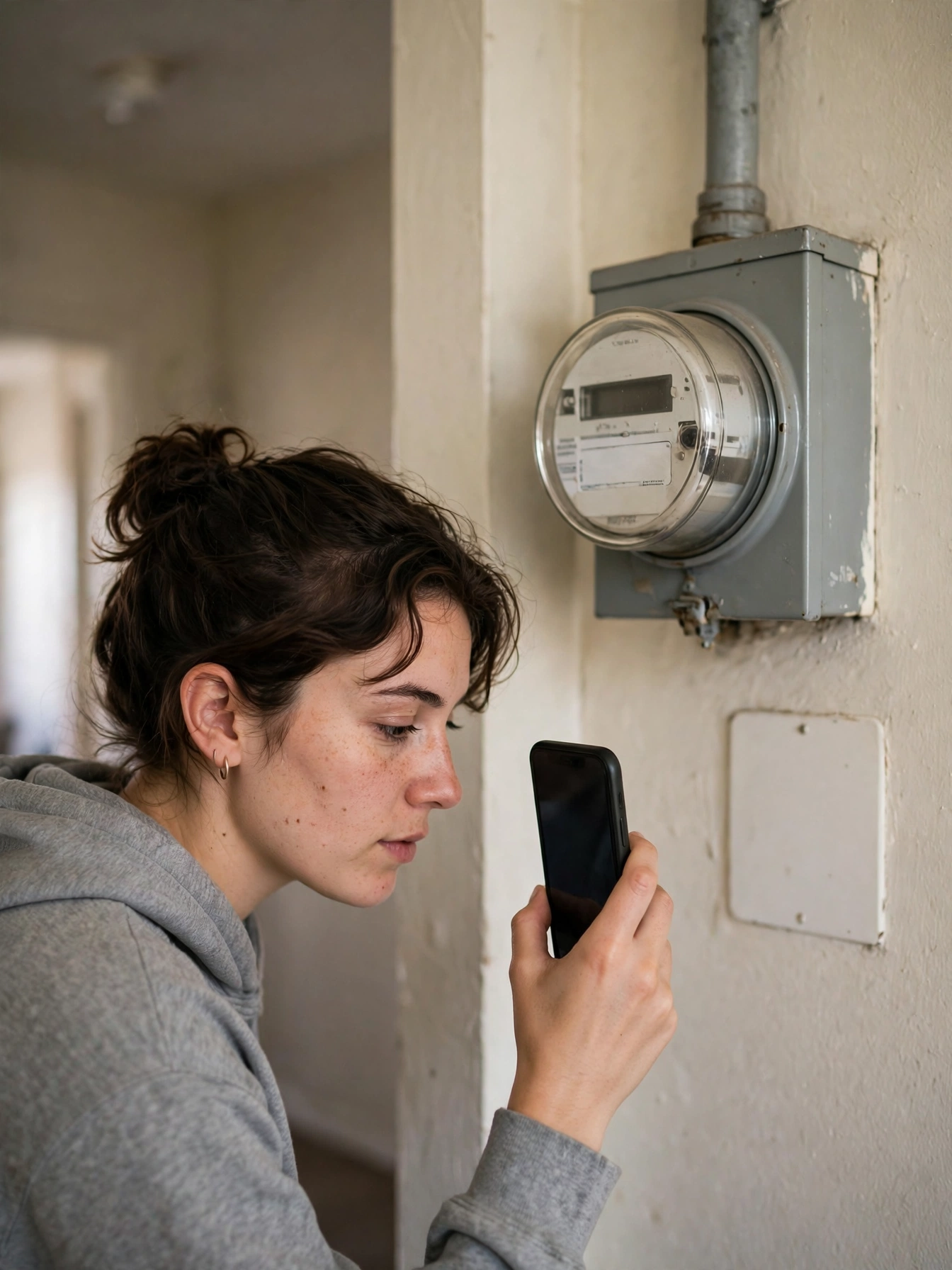
Tip 15: challenge estimated readings. If your bill says “estimated,” the utility guessed your usage — and estimates are often high. Many utilities let you submit your own meter photo or reading online, which replaces the guess with reality and prevents a nasty catch-up bill later. Find your meter (ask the landlord where it is), snap a photo on reading day, and keep a record.
Your 60-Minute Energy Audit
Want to turn this article into action tonight? Run through this checklist once and you’ll know exactly where your bill is coming from. Editor note: this checklist is a strong candidate for a printable downloadable worksheet.
- Write down this month’s kWh from your latest bill (the usage, not the dollars).
- Find your meter and note where it is; ask the landlord if the building is master-metered.
- Set thermostat setbacks for sleep and work hours.
- Close doors to unused rooms; turn baseboard heaters in those rooms down.
- Unplug rarely used devices; put the TV corner on one switched power strip.
- Set the fridge to the middle range; clear airflow around it.
- Commit to cold-water washes and full loads; set up a drying rack.
- Swap your top 3 most-used bulbs for LEDs.
- Call your utility: ask about time-of-use rates and budget billing.
- If the last bill was estimated, submit your own meter reading.
Frequently Asked Questions
What is the average electric bill for a one-bedroom apartment?
It depends heavily on your state, the season, and whether your heat is electric. For a full breakdown with state-by-state numbers, see our companion guide, How Much Are Utilities in an Apartment? — it walks through electricity, water, gas, internet, and trash costs for every floor plan.
Why is my apartment electric bill so high?
The most common culprits in rentals are electric heat running constantly in an older, drafty building, an estimated meter reading that guessed too high, a rate or fee change you didn’t notice, or a device running nonstop (a space heater, an old second fridge, a dehumidifier). Start by comparing kWh across months — that tells you whether your usage or your rate changed.
Can I really get my electric bill under $60?
Treat $60 as a stretch target, not a promise. In a small unit during mild spring or fall months, with disciplined habits, it’s genuinely achievable. In deep winter with electric heat running, most renters won’t get there — the honest goal then is the lowest bill your season allows. The tips above will cut your bill in any season either way.
Is a space heater cheaper than my apartment’s electric heat?
Not per unit of warmth — electric resistance heat costs about the same whether it comes from baseboards or a plug-in heater. The savings come from heating less space: one room for a few hours instead of the whole apartment all day. That’s the only way a space heater lowers your bill.
Will a time-of-use plan actually save me money?
Only if your utility offers one and you can shift heavy use (laundry, dishwasher) to off-peak hours. Call your electric company and ask — some renters save noticeably, others see little difference because their usage is already spread out. There’s usually no fee to switch, so it’s a low-risk question to ask.
Do I have any control over my bill if the building is master-metered?
Less than with your own meter, but you’re not powerless. Pass-through billing is often calculated by a formula (unit size, occupancy) rather than your actual usage, so ask your landlord for the formula and a sample bill. Cutting your usage still helps when the building’s total drops, and it puts you in a stronger position to question the math. For the full picture, see Budgeting & Renting Costs.
Should I ask my landlord about drafty windows?
Yes — draft sealing benefits the building too, and some landlords will fix obvious drafts if you ask in writing. If they won’t, removable weather stripping and draft stoppers are cheap, deposit-safe, and take minutes to install.
How often should I check my electric meter?
Once a month is plenty for most renters. Read it on the same day your bill cycle closes (your bill shows the dates), jot down the kWh, and compare month to month. If you ever spot a reading on your bill that doesn’t match your meter, call the utility with your photo — it happens more often than you’d think.
Conclusion

Learning how to keep electric bill low in an apartment isn’t about one magic trick — it’s about stacking small, renter-safe moves until they add up. Read the bill in kWh, win the thermostat game, tame electric heat by warming less space, kill phantom loads, make your appliances work less, light the apartment like a budget, and make sure the billing side isn’t overcharging you. Under $60 won’t happen every month in every season, but renters who work through these 15 ways will end every month with a smaller bill than they started with. If this helped, save it for your next bill cycle — and share it with a roommate or friend who’s renting on a tight budget too.

Maren started MyFirstLease after a rough first lease taught him everything the internet didn’t. He covers the logistical side of renting — move-in checklists, utilities, and the unglamorous first-week stuff nobody explains — and oversees everything published on the site.