Transitioning from undergraduate housing to a permanent off-campus rental requires a massive shift in how you supply your living space. When preparing for your first apartment as a graduate student, you are no longer just packing clothes and a laptop; you are outfitting an entirely independent household. This stage of life demands a living environment that supports intense study schedules, long hours of remote work, and careful budget management.
If you are moving out of university-owned housing, you will quickly realize that the standard fixtures you previously took for granted—like desk chairs, shower curtains, and router boxes—are now your responsibility. This guide cuts through the decorative noise to outline exactly what you need to make a first college apartment functional, organized, and conducive to your academic workload from day one.
Executive Summary
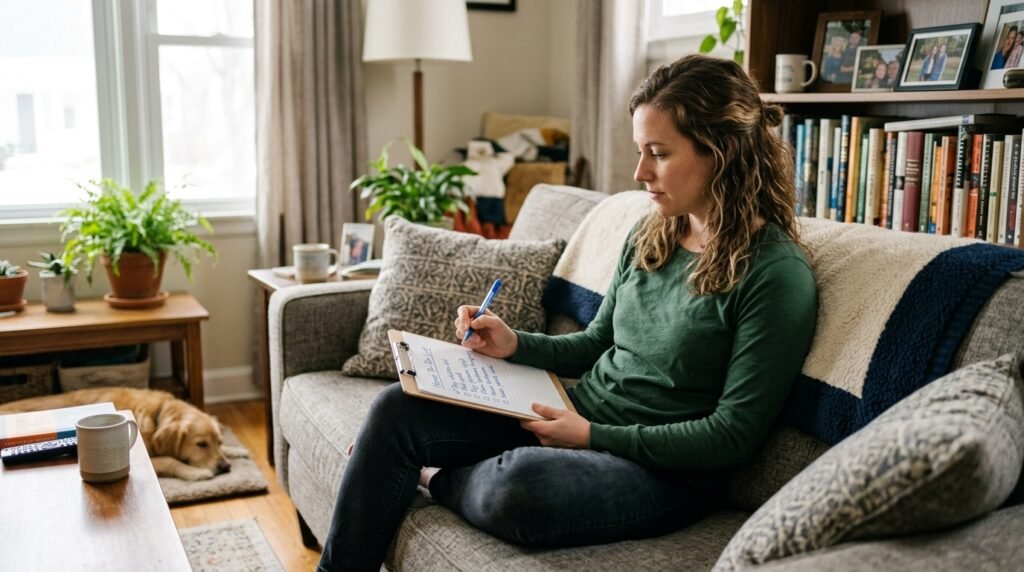
Unlike standard moving lists that prioritize aesthetic upgrades, outfitting a graduate student apartment is an exercise in logistics and utility. Your priority is establishing a functional base of operations that allows you to cook efficiently, sleep well, and study without interruption, all while adhering to a tight stipend budget.
The list below outlines the 17 core essentials required for a functional transition. It covers the unglamorous utility items, basic furniture needs, and study-specific tools that separate a temporary dorm room from a permanent, working apartment.
1. Dedicated Workspace Setup
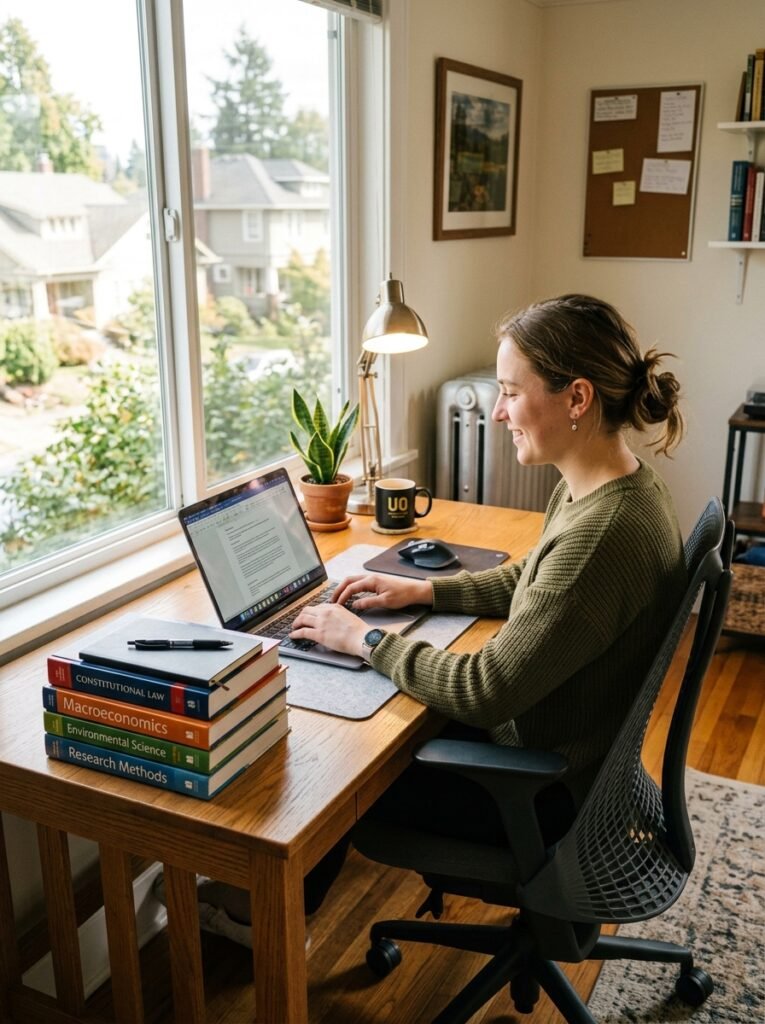
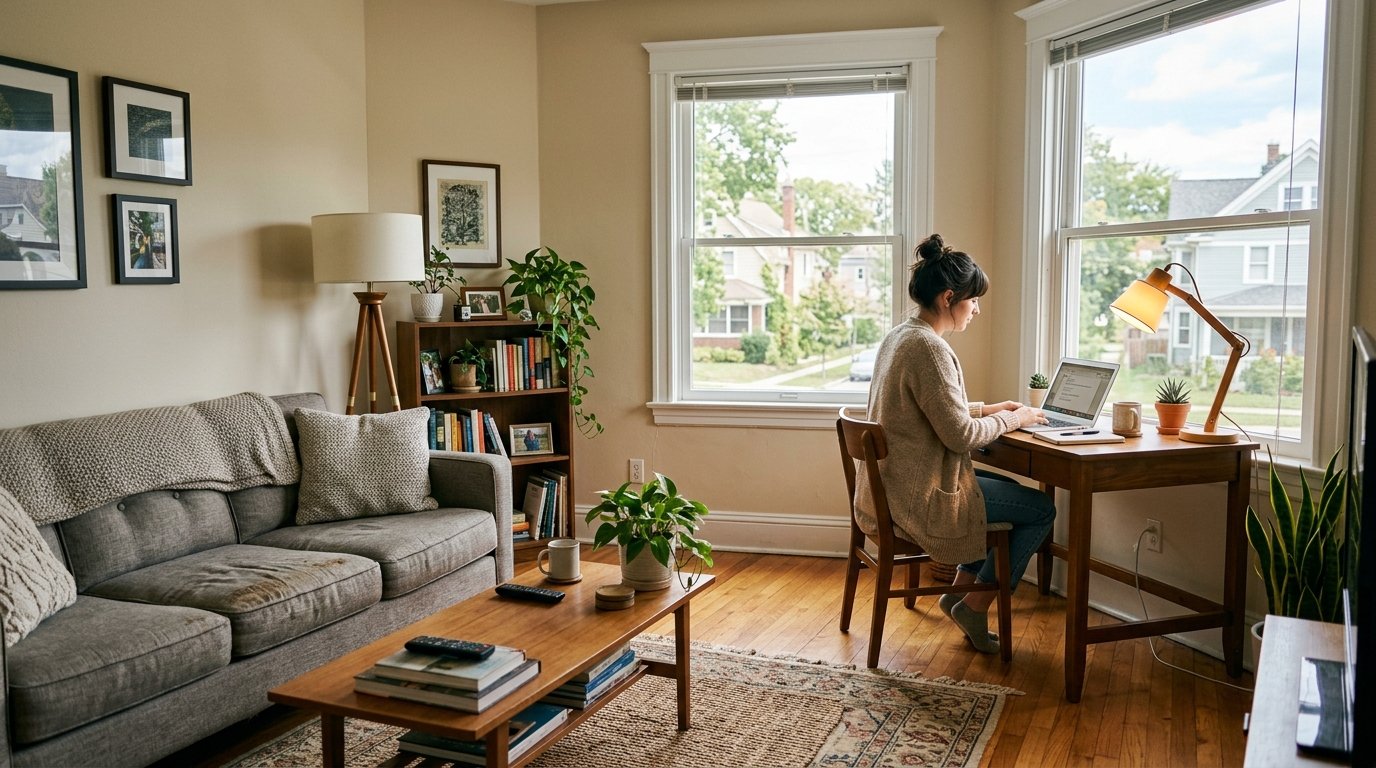
Working from the sofa or bed leads to poor posture and fragmented focus. Prioritize a solid desk and an ergonomic office chair before investing in living room furniture. You can often find high-quality used office chairs from local liquidators for a fraction of their retail price, which is far better for your back than a cheap dining chair. When planning your initial college shopping lists school supplies, place your desk and chair at the very top.
2. High-Capacity Wi-Fi Router
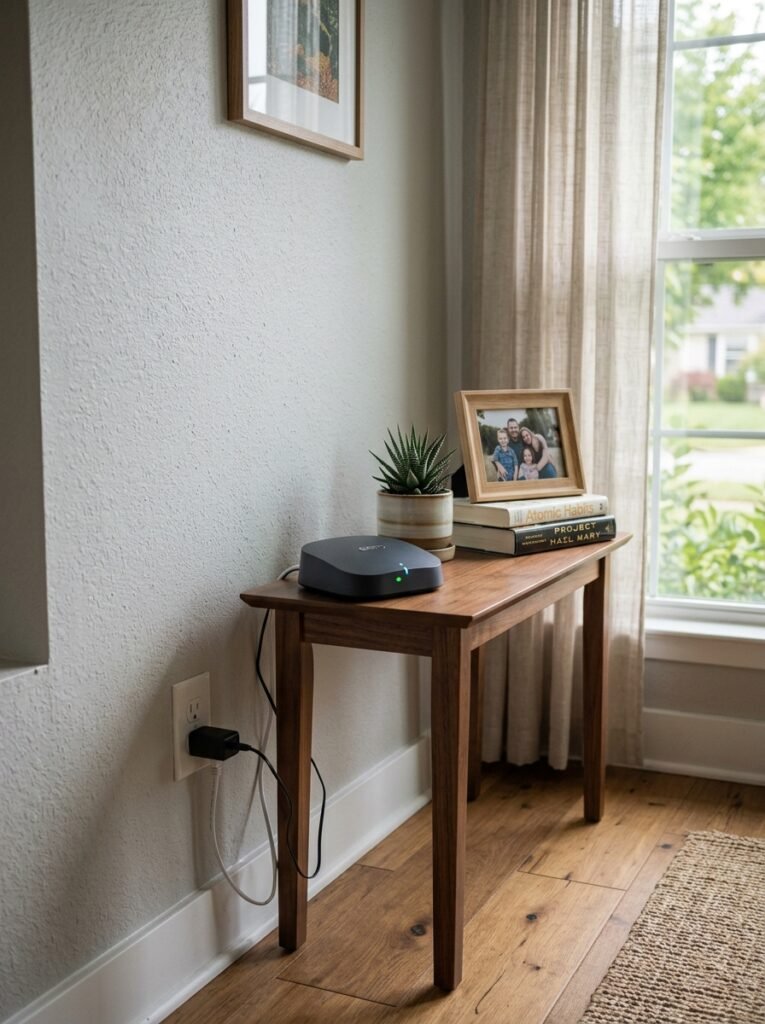
Many apartment buildings require tenants to set up their own internet service, and renting a router from the internet service provider (ISP) often costs between $10 and $15 per month. Purchasing your own router pays for itself within the first year and generally provides a stronger, more reliable signal for heavy research, video lectures, and large file downloads.
3. Adjustable Task Lighting
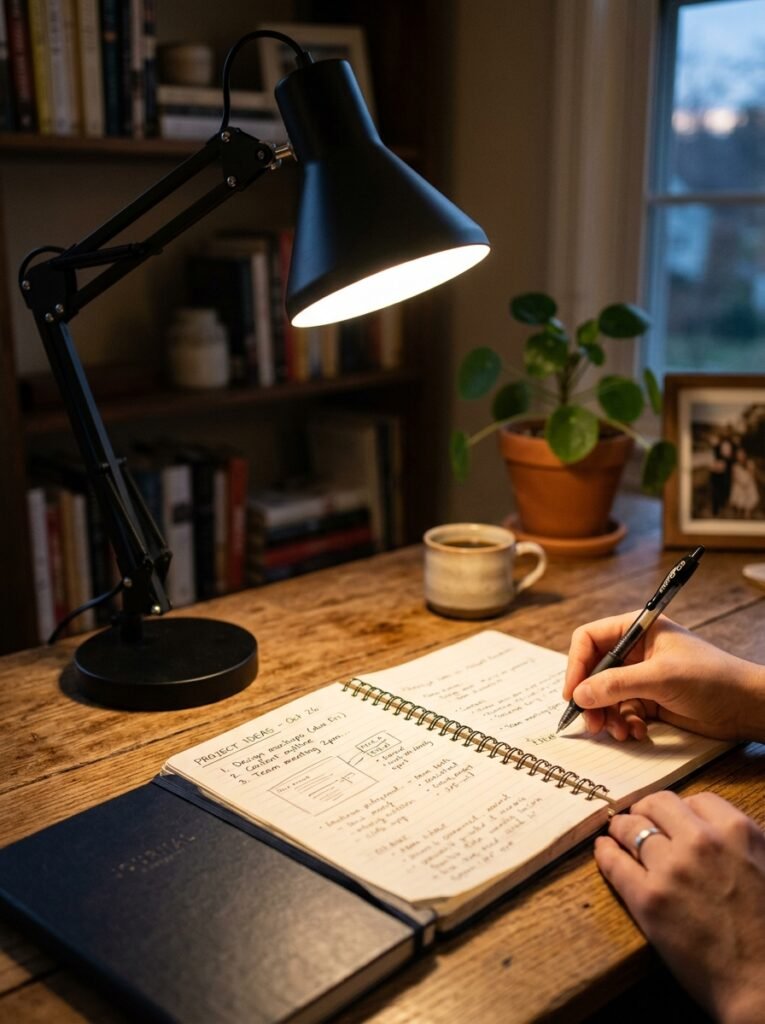
Overhead apartment lighting is notoriously harsh and poorly placed. You will need a desk lamp with adjustable brightness and color temperature for late-night reading, plus floor lamps for ambient light in the living areas. Proper lighting reduces eye strain during long study sessions and helps separate “focus time” from “relaxation time” in the same room.
4. Proper Mattress Investment
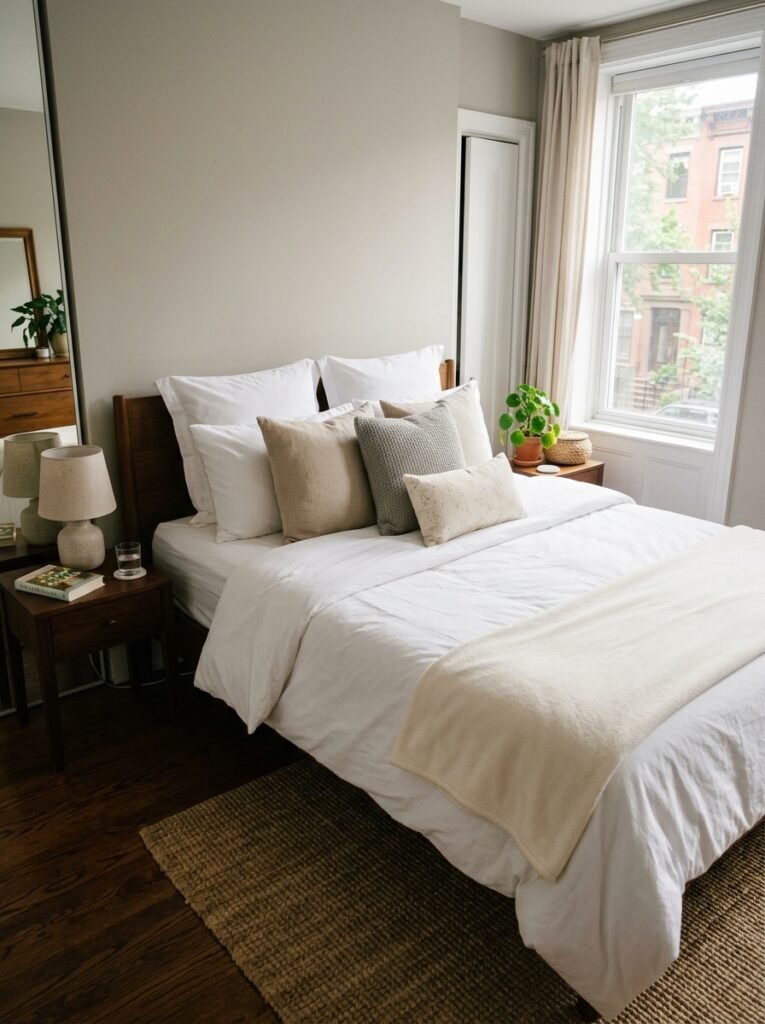
You are no longer bound by the rigid twin-XL beds of undergraduate dorms. Investing in a quality mattress—whether a boxed foam option or a traditional spring model—is critical for managing the stress and fatigue of graduate school. If you are comparing standard sizes and room layouts, review our comprehensive first college apartment checklist to determine what bed size realistically fits your floor plan.
5. Blackout Window Treatments
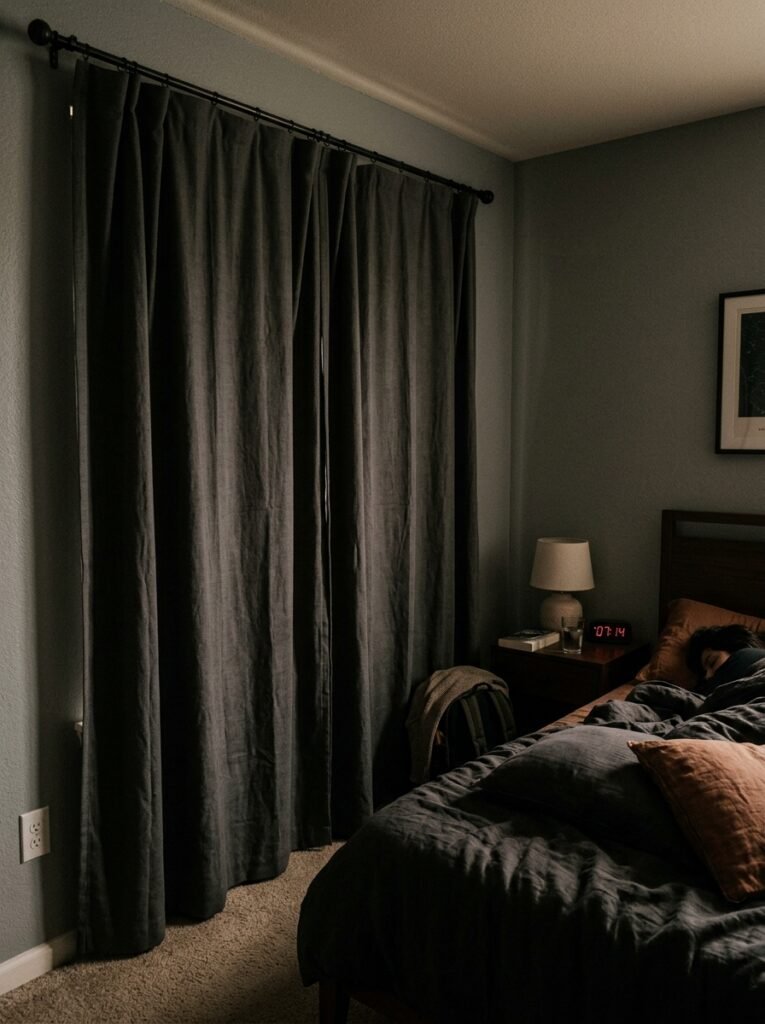
Schedules in graduate school frequently stray from the standard nine-to-five. If you are working overnight lab shifts or studying until dawn, you need the ability to sleep during the day. Standard apartment blinds do very little to block direct sunlight. Install tension rods with thick blackout curtains in your bedroom to completely control your sleep environment.
6. Noise Management Solutions
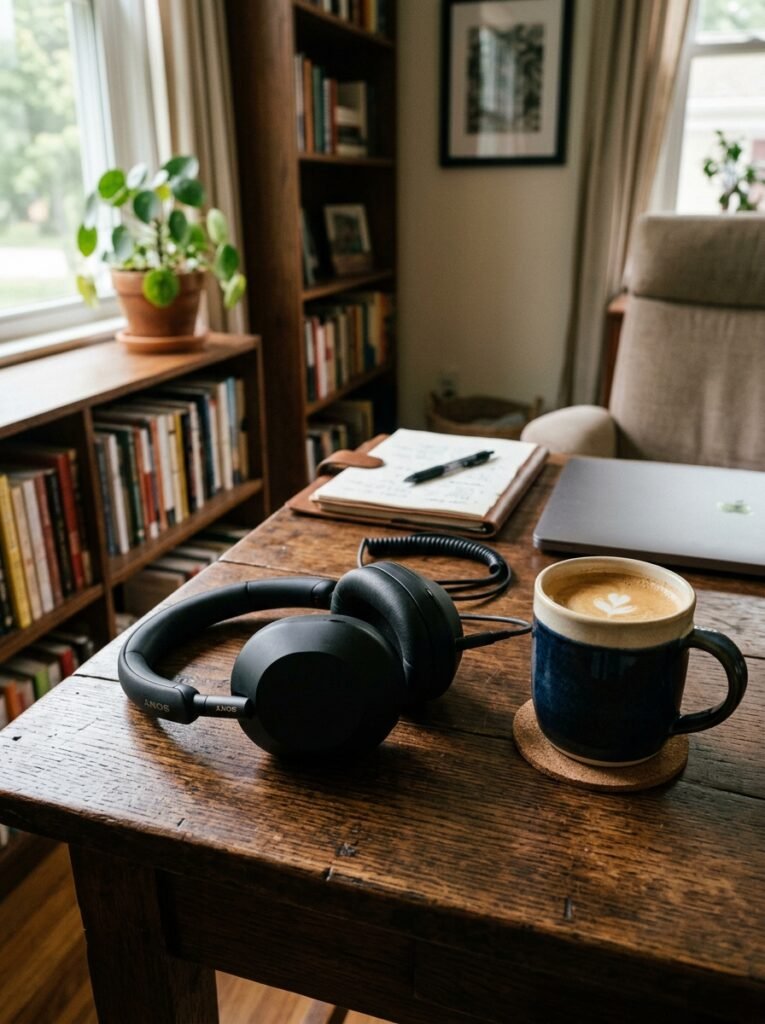
Thin apartment walls and noisy neighbors can derail a study session instantly. Among the most effective small space college living tips is building a toolkit for acoustic isolation. Invest in a mechanical white noise machine for sleep and a pair of reliable over-ear noise-canceling headphones for deep focus work at your desk.
7. Reliable Coffee Maker
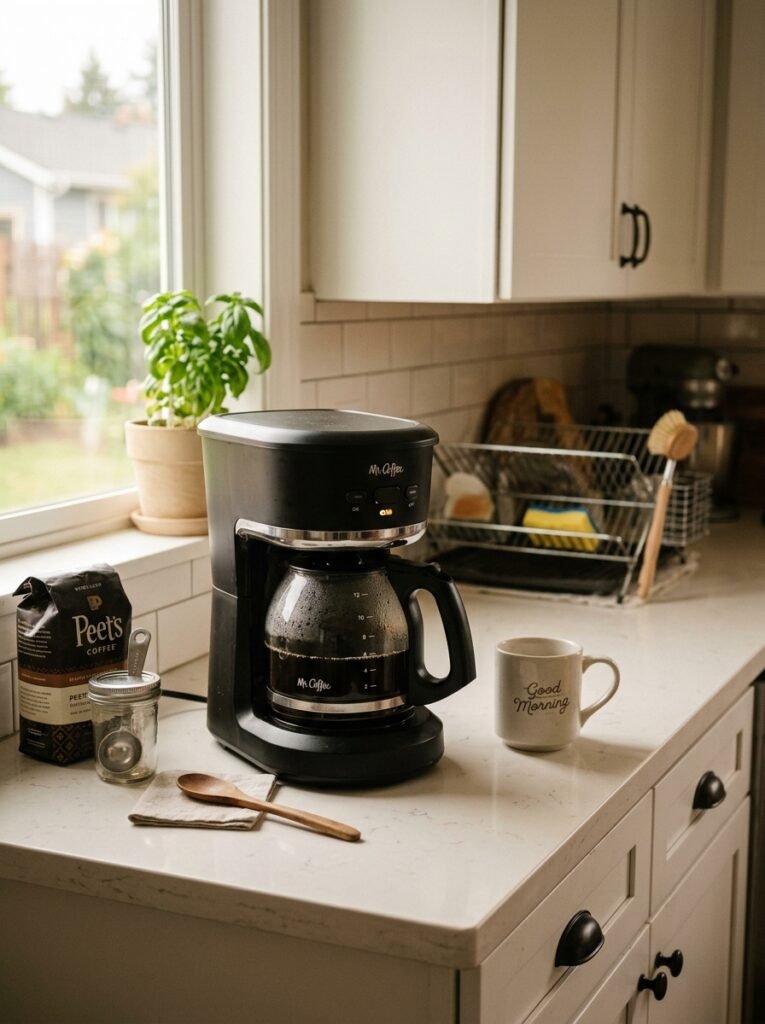
Buying coffee at a campus cafe every morning quickly drains a tight student budget. A basic programmable drip coffee maker or a French press allows you to brew your own caffeine supply before leaving the apartment. It is a one-time purchase that significantly reduces daily discretionary spending.
8. Meal Prep Containers
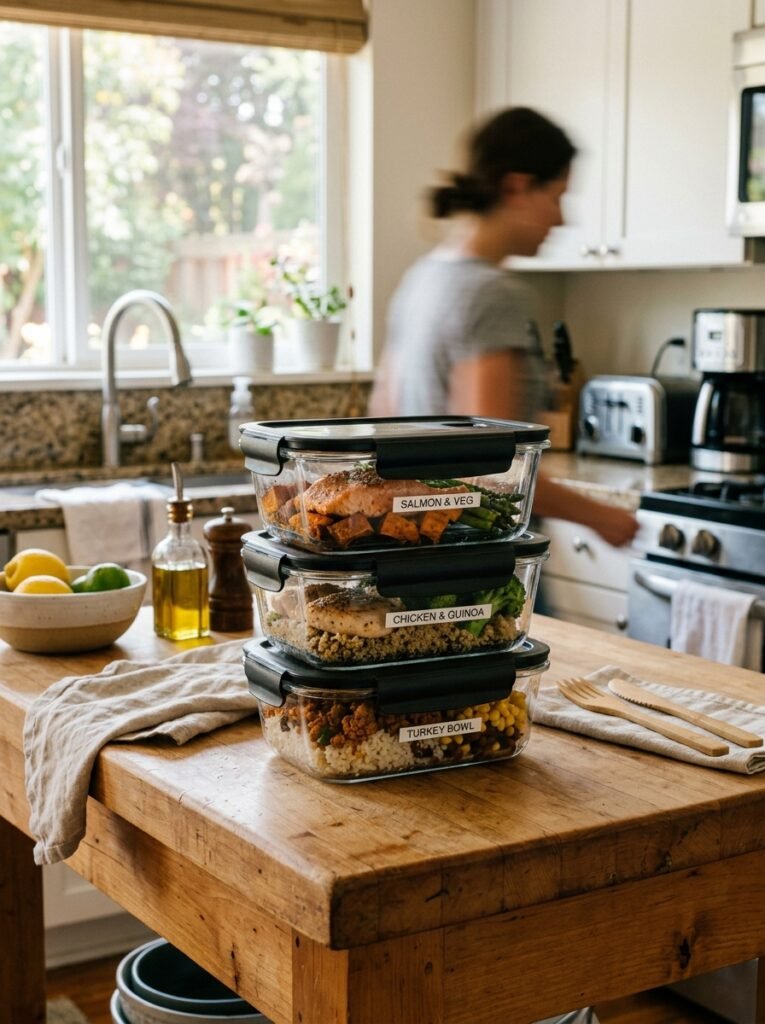
Time is a luxury in graduate school, making batch cooking a necessity for most students. Purchase a matched set of glass or heavy-duty plastic food storage containers that stack neatly in the refrigerator. Uniform containers make it easy to portion out a week’s worth of lunches on a Sunday afternoon, ensuring you always have food ready between classes.
9. Essential Pantry Stockpile
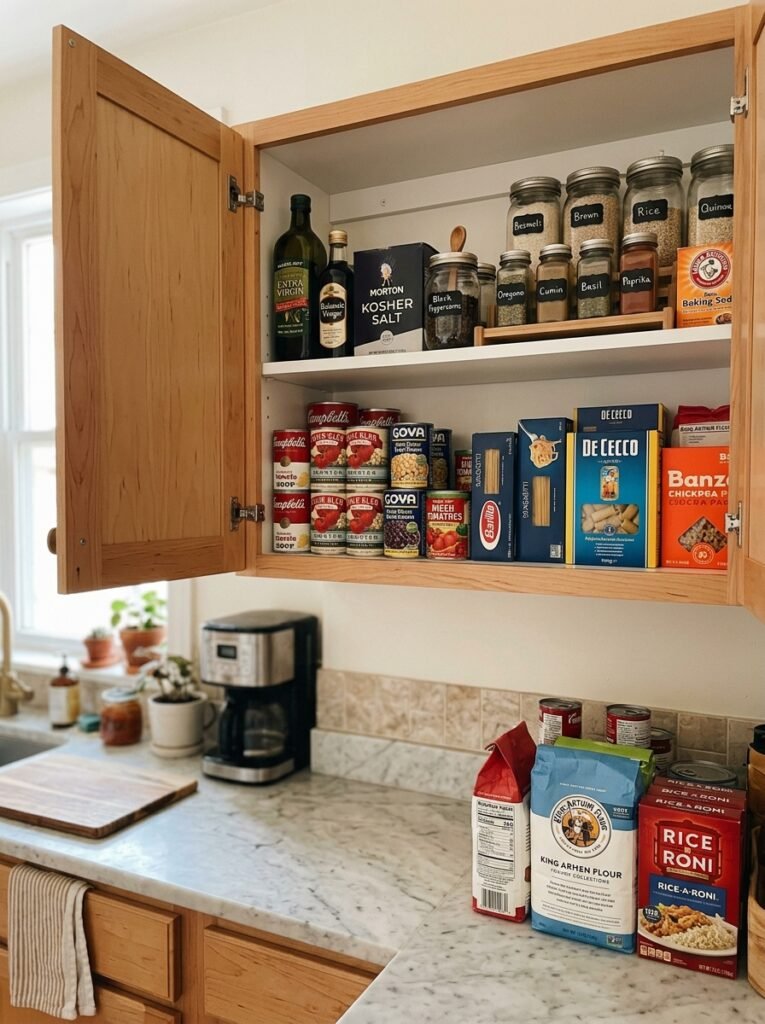
A completely empty kitchen requires a significant initial investment just to cook a basic meal. Before you plan your first recipe, you need to purchase cooking oils, salt, pepper, basic spices, flour, sugar, and condiments. To avoid forgetting the basics during your first shopping trip, use a structured new apartment grocery list to stock your shelves efficiently.
10. Heavy-Duty Surge Protectors
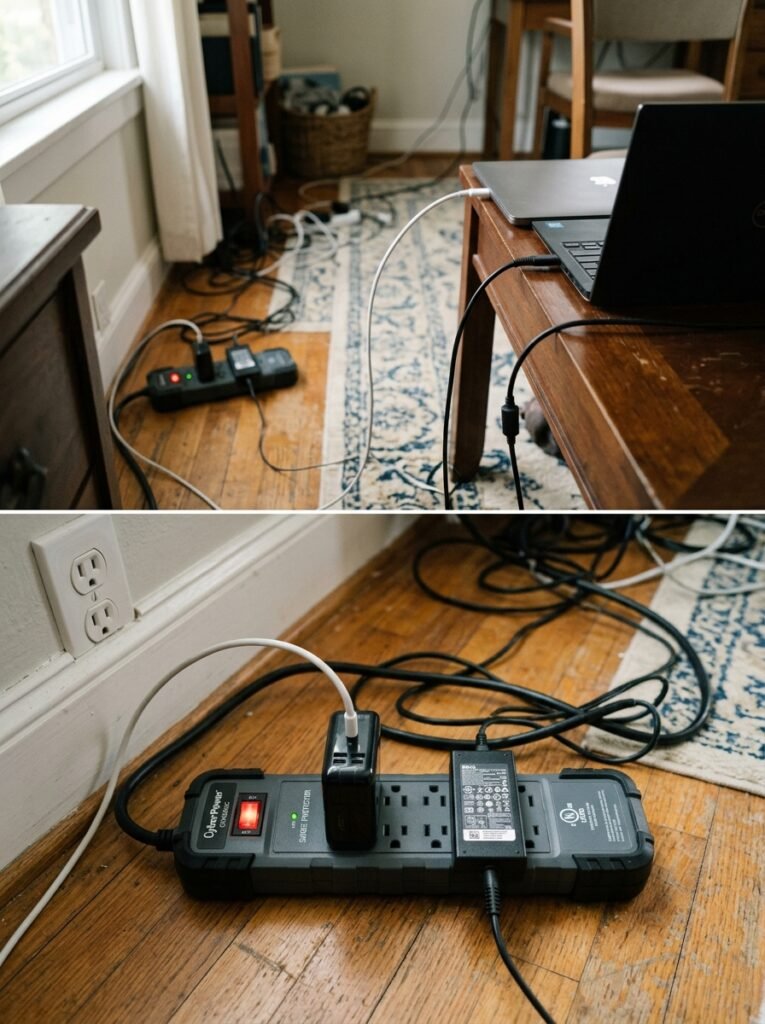
Older apartment buildings often have limited electrical outlets, and standard extension cords do not protect sensitive electronics from power spikes. Buy heavy-duty surge protectors for your computer setup and television area to protect your laptop, monitors, and data from unexpected electrical surges.
11. Basic Hand Tool Kit
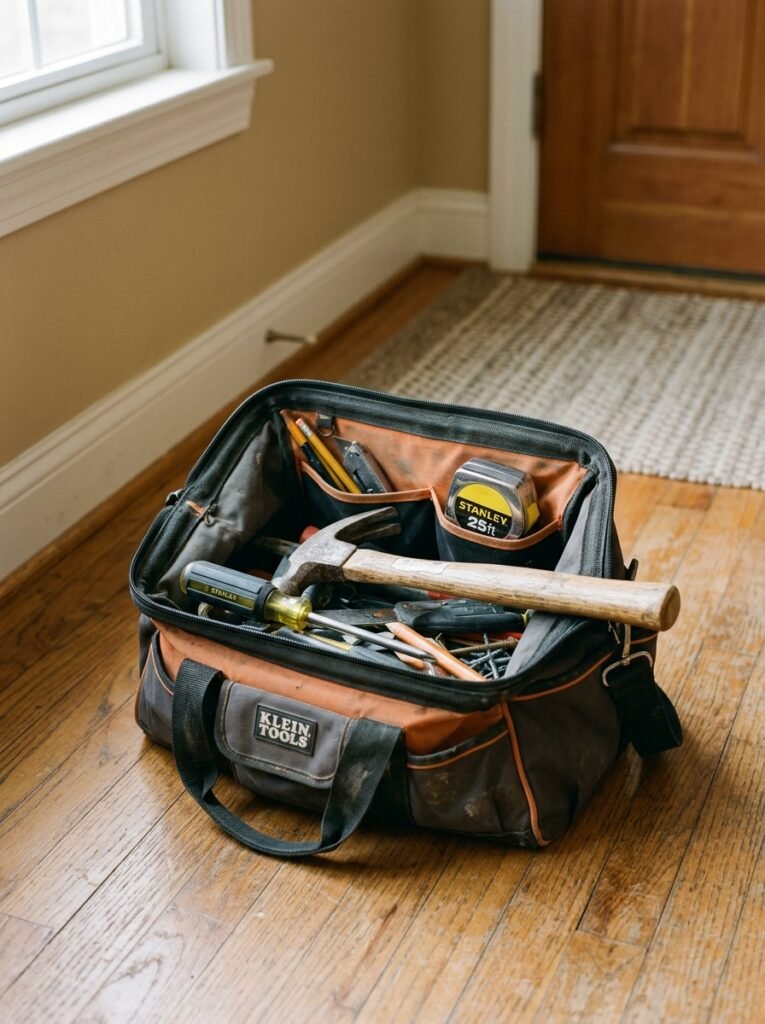
Property management handles major repairs, but you are responsible for assembling furniture, tightening loose cabinet handles, and measuring windows. You do not need a massive garage setup; a simple soft-sided tool bag containing a hammer, a multi-bit screwdriver, an adjustable wrench, pliers, and a tape measure will cover 95 percent of your basic apartment tasks.
12. Standard Bathroom Basics
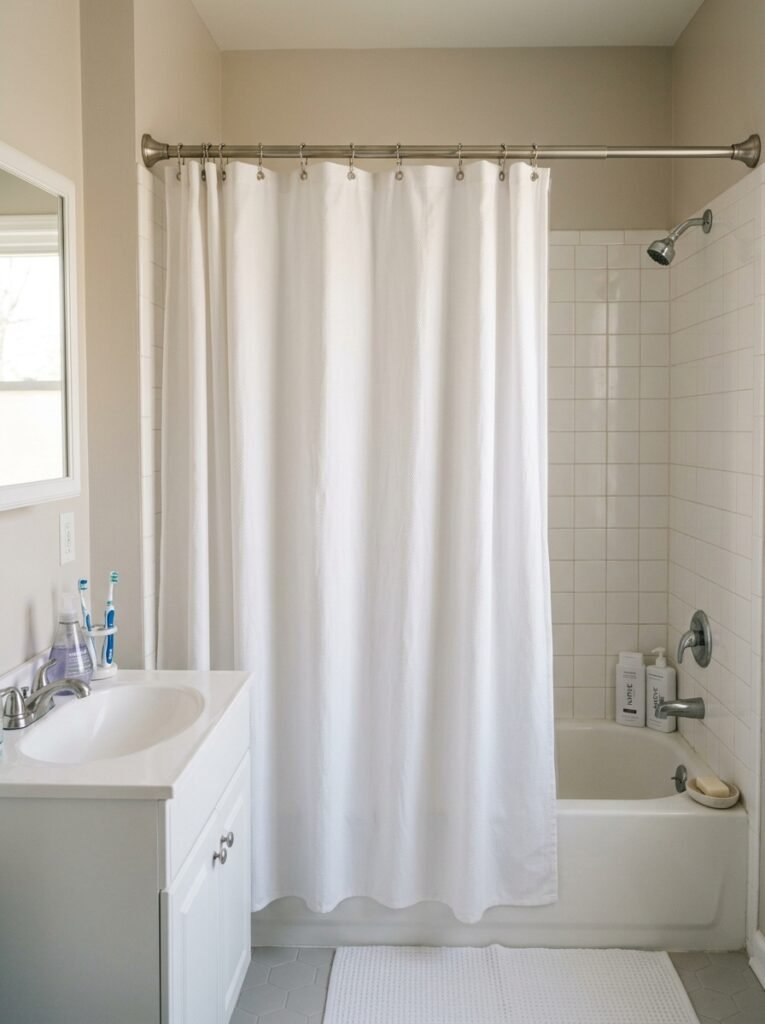
Most apartments do not come with a shower rod or a shower curtain, meaning you cannot bathe on move-in day until you provide them. Purchase a tension rod (if necessary), a waterproof liner, and a set of basic rings. If you are unsure what dimensions to buy for a standard tub, check the standard shower curtain size guide before heading to the store.
13. Bathroom Plunger
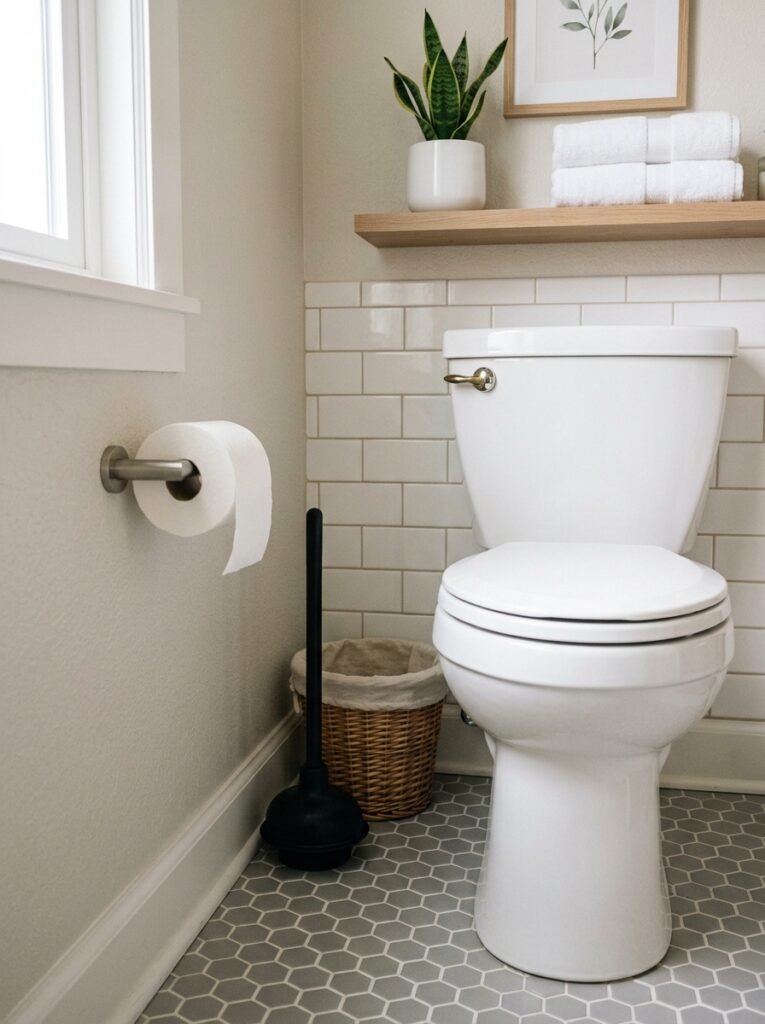
While a First-year Dorm Essentials Guide might skip this because dorms have custodial staffs, an apartment tenant must be self-sufficient. Purchase a plunger before you actually need one. Ensure you buy a flange plunger (which has a rubber cup with a soft rubber flap folded out from the inside), as these are specifically designed to create a seal in toilet bowls, whereas standard flat-cup plungers are for flat sinks.
14. Utility Cleaning Supplies
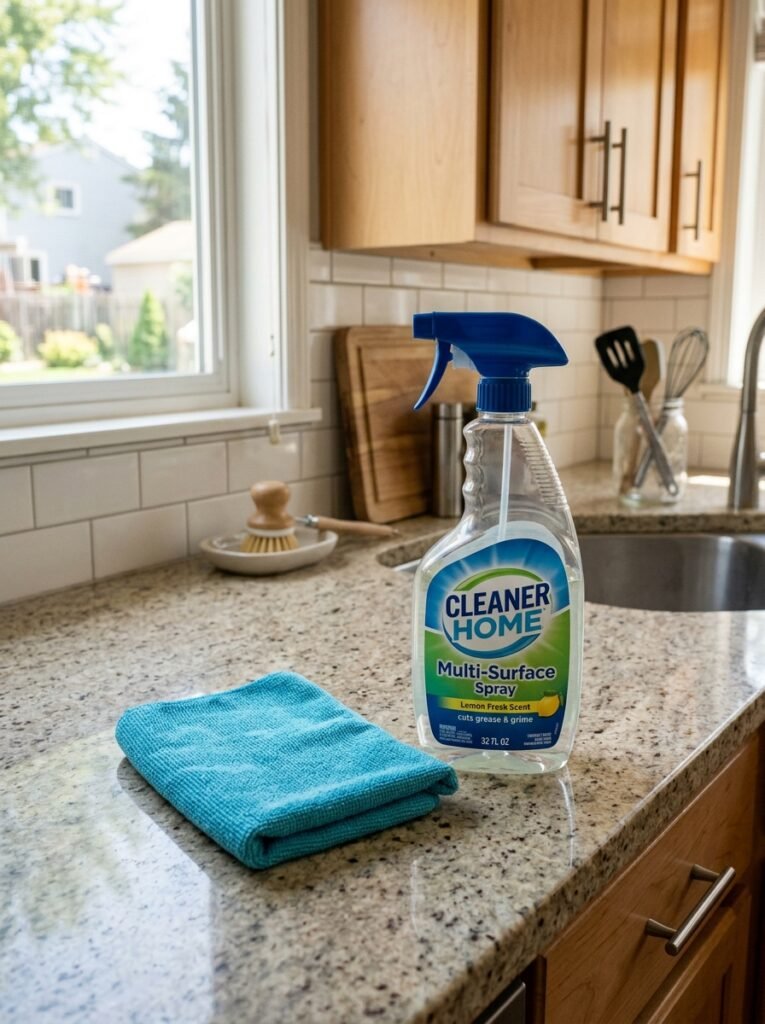
Keeping a deposit-safe apartment requires routine maintenance. Start with a reliable vacuum (even for hard floors), a broom, microfiber cloths, dish soap, and an all-purpose surface cleaner. Buying these utility items in bulk initially saves money and ensures you are prepared to clean up spills immediately.
15. Medical Basics
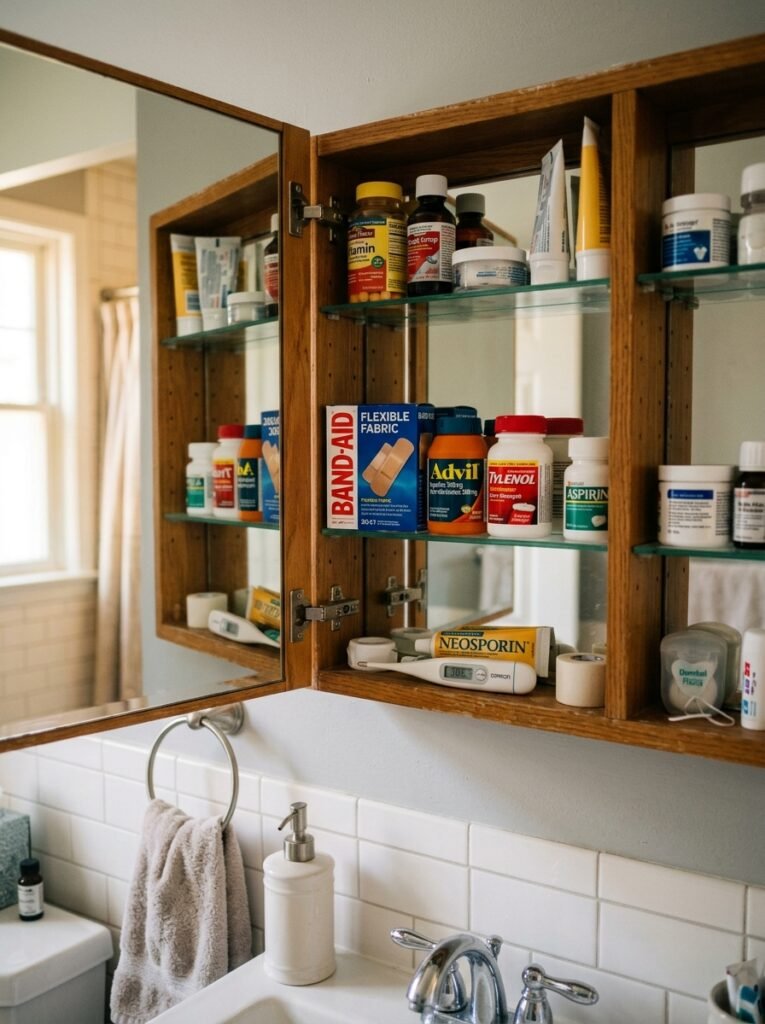
There is no resident advisor to hand you a bandage in an off-campus rental. Assemble a basic medicine cabinet containing pain relievers, cold medication, a digital thermometer, bandages, and antibacterial ointment. Being sick while living alone is difficult enough without having to drive to a pharmacy with a fever.
16. Affordable Area Rugs
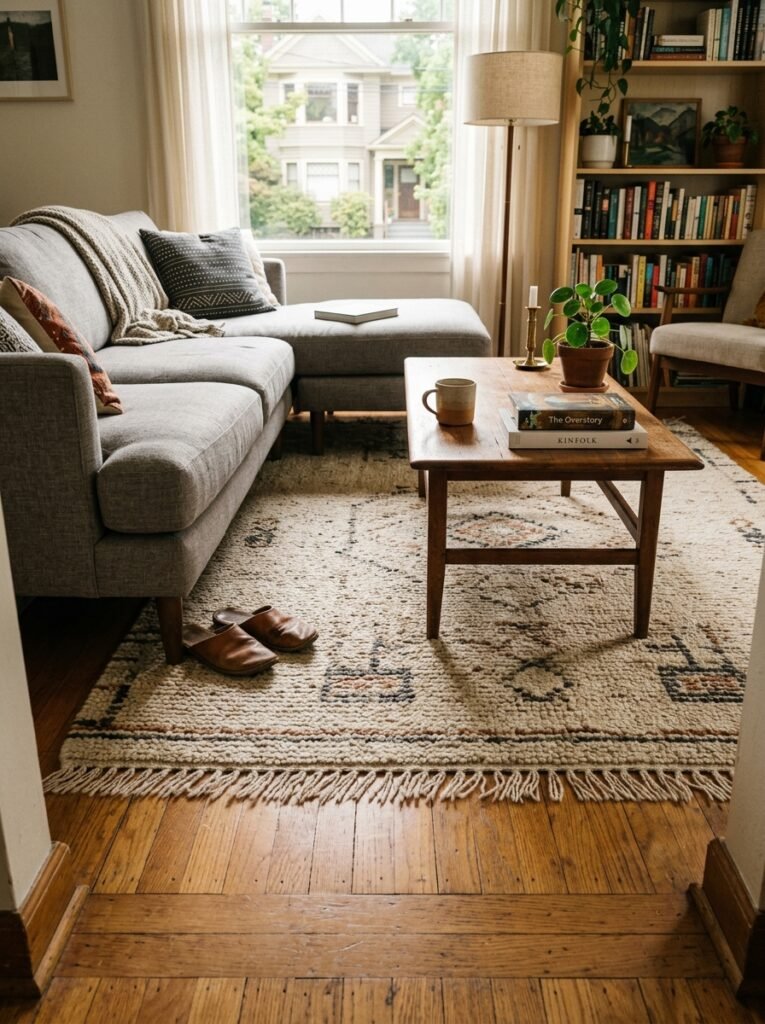
Many leases require tenants to cover a certain percentage of hardwood floors with rugs to dampen sound for downstream neighbors. Beyond lease compliance, rugs add necessary warmth and comfort to sterile apartment finishes. Sourcing affordable apartment decor like large area rugs from discount home goods stores or online marketplaces helps you meet this requirement without draining your savings.
17. Physical Document Storage
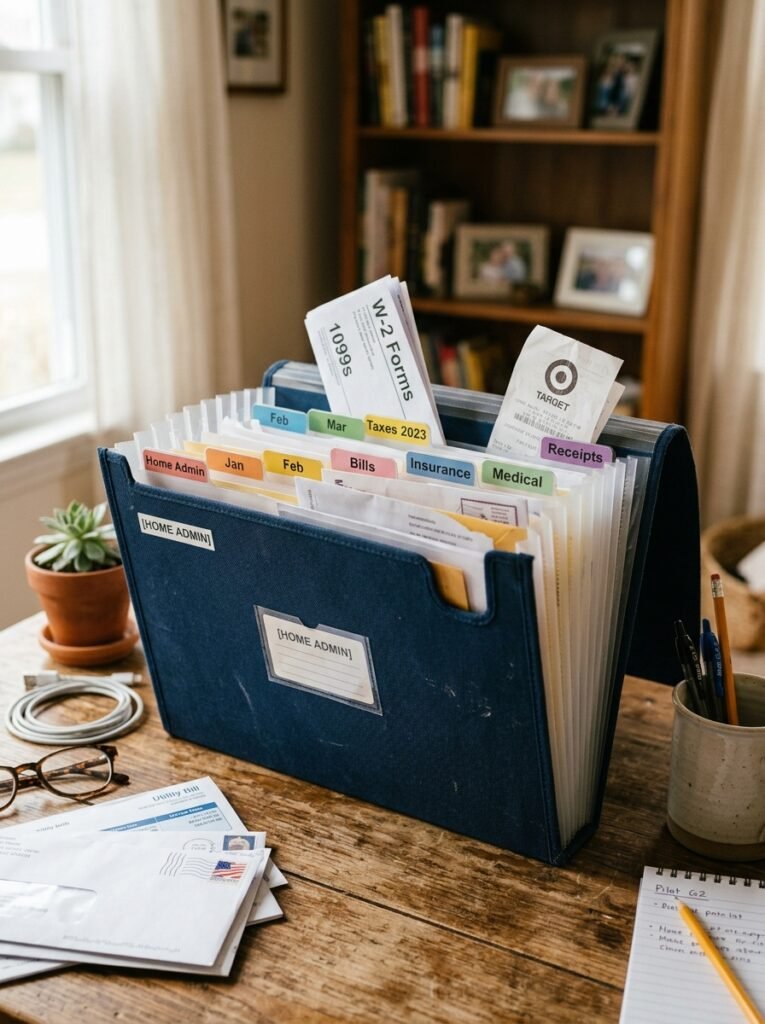
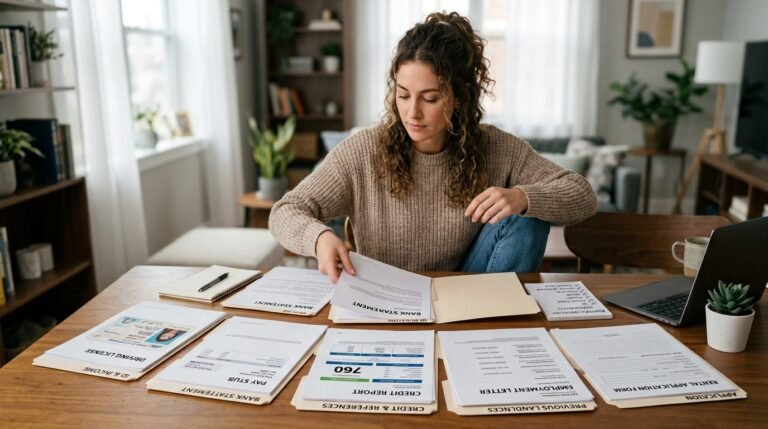
Adult logistics require a paper trail. Even in a digital age, you will receive physical copies of your lease agreement, vehicle registration, renter’s insurance policies, and tax documents. A simple expanding file folder or a small fire-safe box keeps these vital records organized and easily accessible when you need to renew your lease or file taxes.
FAQ
How much should a grad student spend on apartment rent? Financial experts generally recommend spending no more than 30 percent of your gross income on housing. However, because graduate stipends are often quite low, many students find themselves spending closer to 40 or 50 percent. When this happens, aggressively minimizing utility costs and transportation expenses becomes critical to balancing the budget.
What utilities do apartment renters typically pay? In most civilian apartments, tenants are responsible for electricity and internet service. Depending on the building, you may also be billed for water, sewer, trash collection, and natural gas. Always ask the landlord for a historical average of utility costs before signing a lease.
Is renters insurance necessary for college students? Yes. A landlord’s insurance policy only covers the physical building structure, not your personal belongings. Renters insurance protects your laptop, furniture, and clothes in the event of a fire, theft, or severe water leak, and it typically costs less than $20 a month. Most property managers now require proof of a policy before handing over the keys.
Should I buy furniture before moving in? It is usually safer to wait until you have the keys to measure the actual space before buying large items like sofas or dining tables. However, you should secure a mattress and a basic desk setup prior to move-in day so you have a place to sleep and work immediately.
How do you handle shared purchases with roommates? Never split the cost of a single large item, like a television or a couch. If someone moves out, dividing a single physical object is impossible. Instead, have one roommate purchase the couch, while the other purchases the television and the dining table, keeping ownership clear for when the lease ends.
Final Thoughts
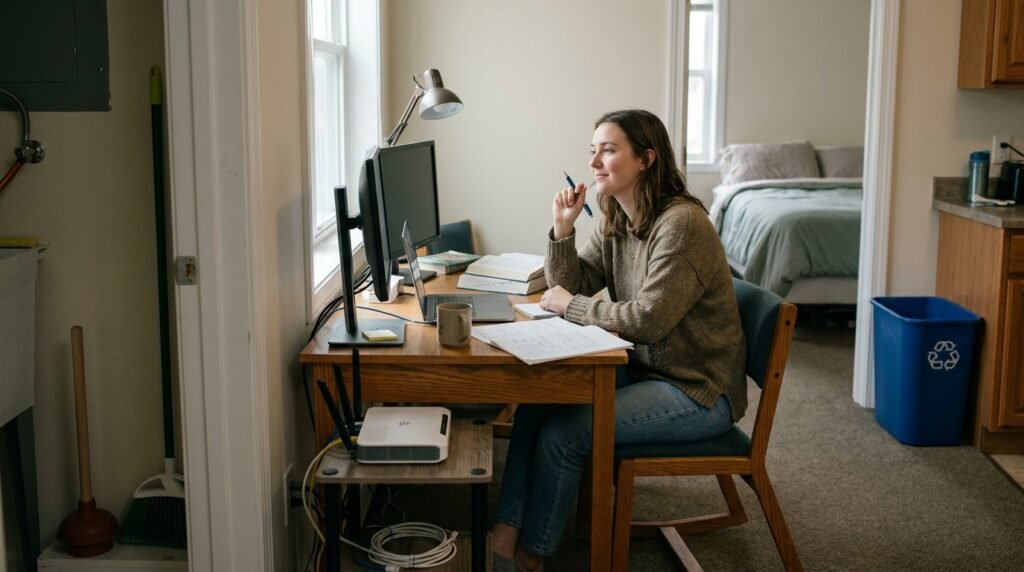
Setting up a first apartment requires focusing on function over aesthetics, especially when managing the demands of a graduate program. By prioritizing reliable sleep environments, a dedicated workspace, and essential unglamorous household tools, you build a space that actually supports your daily life. It is easy to get distracted by first apartment tips that focus on styling, but true comfortable college living tips start with owning a plunger, a good desk, and reliable internet. If you are preparing to sign a lease or draft a college apartment checklist pdf of your own, save this list to ensure you don’t miss the logistical essentials.

Maren started MyFirstLease after a rough first lease taught him everything the internet didn’t. He covers the logistical side of renting — move-in checklists, utilities, and the unglamorous first-week stuff nobody explains — and oversees everything published on the site.