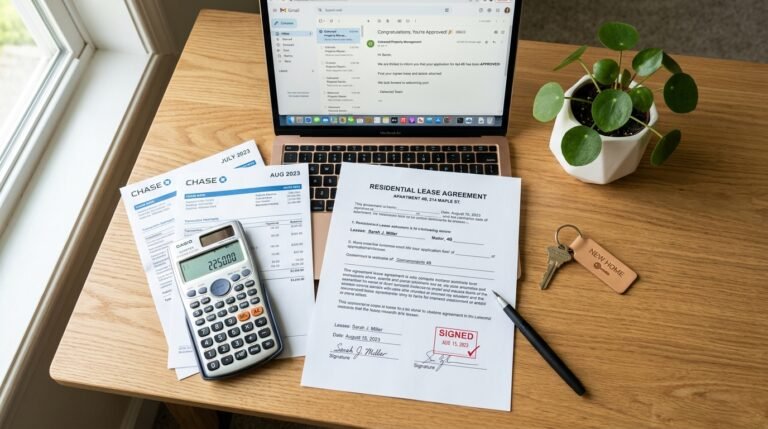

Stepping into the professional world means figuring out where you are going to live, and completing a post-college apartment checklist is step one. Securing a recent grad first apartment requires more than just finding a building that looks nice online. Property managers want hard proof that you are reliable, which feels like a catch-22 when you have zero rental history and are just starting your career.
This recent graduate renter guide covers the exact financial documents, practical preparations, and legal realities you must navigate to secure an approval. Because property managers naturally view first-time independent renters as higher risk, you have to over-prepare your paperwork to prove you are financially stable.

Below, we break down the nine essential things you need to lock down before signing a lease. From leveraging your new job’s offer letter to establishing a realistic post grad apartment budget that accounts for student loans, these renting after college tips will help you secure your new home without the stress of last-minute scrambling.
1. A Formal Employment Offer Letter

Property managers need to know you can afford the monthly payments. If you haven’t received your first paycheck yet, a formal offer letter from your employer is the most powerful document you can provide. This document must clearly state your starting salary, your official start date, and be printed on company letterhead. When looking for first job apartment tips, the most crucial is to start your apartment hunt the same week you sign your offer, using that letter as your primary proof of income.
2. A Guarantor Strategy

Landlords typically want to see a credit score above 650 and an income that is at least three times the monthly rent. If your entry-level salary falls short or your credit history is nonexistent, you will likely need a co-signer. This is usually a parent or relative who legally agrees to cover the rent if you default. Guarantors face even stricter requirements, often needing to prove an annual income equal to 80 times the monthly rent. Ask your family about this before applying so you aren’t scrambling when a leasing office suddenly demands one.
3. A Realistic Post-Grad Budget

Your housing expenses will look very different now than they did in a university dorm. Creating an accurate post grad apartment budget means calculating your net take-home pay (after taxes and health benefits) and subtracting all new adult expenses. You must factor in upcoming student loan payments, commuting costs, groceries, and fluctuating utilities. A common rule of thumb is keeping base rent below 30 percent of your gross income, but if your student loan burden is heavy, you may need to aim for a much lower percentage to live comfortably.
4. Academic Housing References
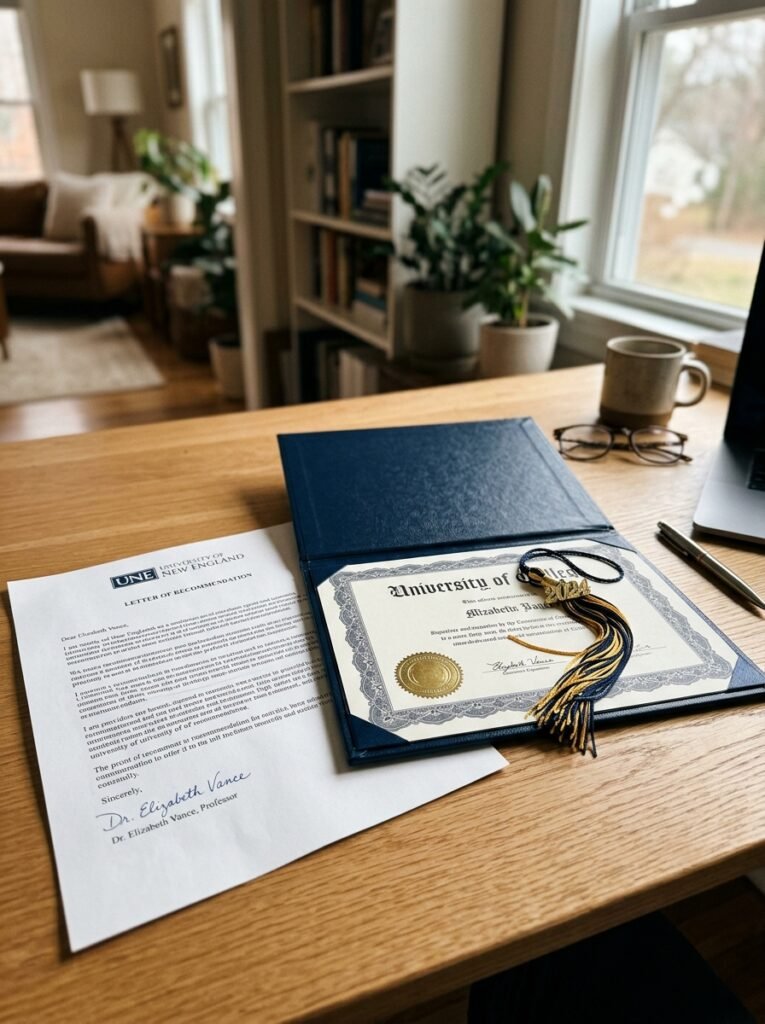
Having zero rental history makes leasing agents nervous, but you can substitute traditional landlord references with academic ones. When figuring out what to know before renting after college, understand that landlords primarily want reassurance that you pay bills on time and respect property. If you lived on campus, request a brief letter of good standing from your Resident Advisor (RA) or the university’s housing director. If you lived at home, a character reference from a former internship supervisor can also strengthen your application.
5. The Upfront Cash Cushion

Securing the keys requires a significant amount of liquid cash on signing day. Beyond the first month’s rent, most properties demand a security deposit (often equal to one month’s rent), non-refundable application fees, and sometimes the last month’s rent upfront. If you are bringing a pet, expect another deposit. Moving out after college requires having roughly three to four times your target monthly rent sitting in a checking account before you even begin touring units.
6. A Signed Roommate Agreement

If you are doing apartment hunting for recent grads alongside your college friends, understand that a residential lease binds you together financially. Almost all leases include “joint and several liability,” meaning if your roommate loses their job and stops paying, the landlord will legally demand their half of the rent from you. Before signing the official lease, draft a written roommate agreement outlining exactly how bills will be split, whose name goes on the utility accounts, and what happens if someone needs to move out early.
7. Active Renters Insurance

Do not wait until move-in day to think about liability. The vast majority of property management companies now require proof of active renters insurance before they will hand over the keys. These policies are generally inexpensive—often $15 to $20 a month—and cover your personal belongings in case of theft, fire, or severe water damage. Secure a policy a week before your lease begins and email the declaration page directly to your leasing agent.
8. A Phased Furnishing Plan

You do not need a fully furnished, magazine-ready home on day one. Trying to buy a sofa, dining set, and complete bedroom suite all at once is a fast way to accumulate high-interest credit card debt. Prioritize absolute essentials first: a quality mattress, basic cookware, and bathroom necessities. Live in the space for a few weeks to understand how you actually use the layout. When you are ready to expand, utilize practical living room decor ideas on a budget and source items using budget home decor strategies rather than buying matching retail sets.
9. Utility Setup Appointments

Dorm rooms have power and internet ready to go, but managing a first apartment after graduation requires you to act as the primary account holder. You must contact the local electric, gas, and water providers to establish service in your name, which sometimes requires paying a first-time connection deposit. Schedule these activations to turn on at least one business day before your official move-in date. Arriving with a moving truck to a dark, unheated apartment is a miserable way to start your independence.
FAQ
What do landlords look for from recent graduates?
Landlords primarily want to see reliable income and a sense of responsibility. Because recent grads lack rental history, property managers focus heavily on your offer letter, bank statement reserves, and whether you have a financially qualified guarantor to back the lease.
How much should a recent grad spend on rent?
The standard financial guideline is spending no more than 30 percent of your gross monthly income on base rent. However, recent graduates must also account for impending student loan payments, so a more conservative target of 20 to 25 percent is often safer for maintaining positive cash flow.
Can I rent an apartment without a job yet?
It is extremely difficult. Without an offer letter or pay stubs, landlords have no proof you can afford the rent. Your only realistic options are paying several months of rent entirely upfront (if local laws allow) or relying heavily on a guarantor who meets the income requirements on your behalf.
When should I start looking for a post-college apartment?
Start your search roughly 30 to 45 days before you want to move in. Most current tenants are only required to give 30 days’ notice that they are leaving, so landlords rarely know what inventory will be available further out than that window.
What is the difference between a co-signer and a guarantor?
A guarantor is financially responsible for the lease if you default but does not have the right to live in the apartment. A co-signer shares the financial responsibility and usually shares the right to occupy the unit, acting exactly like a roommate.
Conclusion

Renting your first place is a massive step, and treating this post-college apartment checklist as a strict roadmap will save you from major financial headaches. By securing your offer letter, establishing a firm budget, and preparing your guarantor early, you prove to landlords that you are a reliable, low-risk tenant. Take your time reviewing the lease, don’t rush into buying every piece of furniture on day one, and enjoy the independence of your new space. If this guide helped you prepare for your upcoming move, please share it with your fellow graduates or bookmark it for your apartment hunt.

Maren started MyFirstLease after a rough first lease taught him everything the internet didn’t. He covers the logistical side of renting — move-in checklists, utilities, and the unglamorous first-week stuff nobody explains — and oversees everything published on the site.