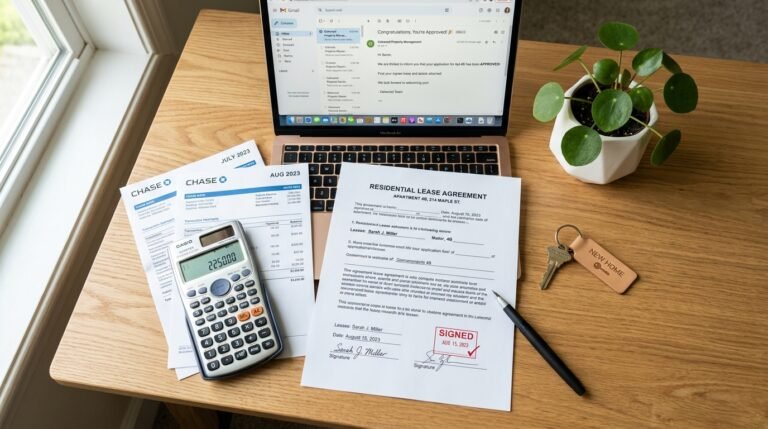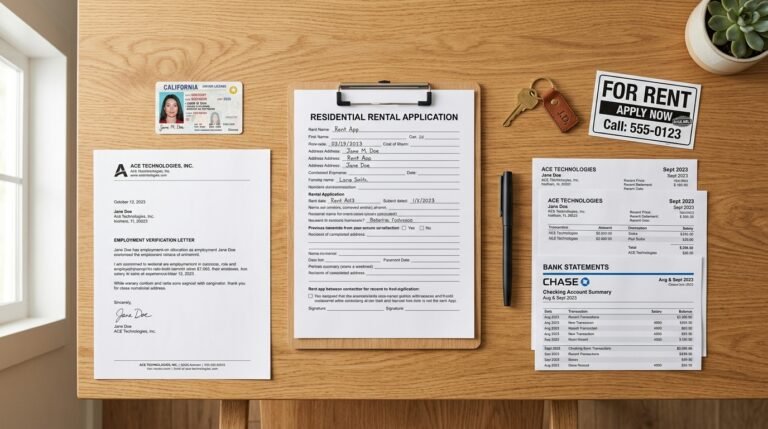

Securing your own place is an exciting milestone, but utilizing a comprehensive pet friendly apartment checklist is strictly required when a dog is moving with you. Landlords and property management companies evaluate tenants with animals through an entirely different lens, focusing heavily on liability, potential property damage, and noise control. Preparing for this reality before you start touring units saves time, prevents financial surprises, and ensures your dog is actually welcome.
This dog friendly apartment guide outlines exactly what to look for—and what to ask—during your housing search. By understanding the structural, financial, and legal realities of renting with a canine companion, you can confidently sign a lease that protects both your budget and your dog’s well-being.
Executive Summary

Moving into a rental unit with a dog involves far more than simply finding a listing with a paw-print icon. The actual policies governing pets vary drastically from one building to the next. Some apartment complexes welcome large breeds with open arms and dedicated amenities, while others impose highly restrictive weight limits and steep monthly fees that severely impact a first-time renter’s budget.
This checklist covers the fundamental steps of apartment hunting with pets. It breaks down how to calculate the true cost of hidden pet fees, evaluate the physical safety of a unit, and navigate complex lease agreements. You will learn how to identify potential lifestyle friction points—like complicated maintenance protocols, restrictive breed lists, and a lack of accessible green space—before you are locked into a binding twelve-month contract.
1. Breed and Weight Restrictions

Property managers frequently enforce strict limitations on the size and type of dogs allowed on the premises. A building advertised as “pet-friendly” may actually only accept dogs under 35 pounds. Furthermore, many landlords are bound by their property insurance policies, which often explicitly ban specific breeds perceived as high-liability, commonly including Pit Bulls, Dobermans, German Shepherds, Akitas, and Huskies. Always request the community’s exact, written breed and weight list before filling out a rental application or paying a non-refundable background check fee.
2. Total Move-In Pet Fees

Housing a dog rarely comes free, and the upfront costs can be substantial. Landlords typically offset potential damage through a combination of upfront deposits and fees. When reviewing pet deposit apartment tips, pay close attention to the specific terminology used in the lease, as it dictates whether you will ever see that money again.
| Charge Type | Refundable? | Average Cost | Purpose |
| Pet Deposit | Yes (mostly) | $200 – $500 | Held to cover physical damage caused by the dog. Returned at move-out if the unit is clean. |
| Pet Fee | No | $200 – $400 | A one-time, non-refundable admission charge simply for the privilege of bringing a dog. |
3. Recurring Monthly Pet Rent
Beyond the initial move-in costs, most modern apartment complexes charge a monthly premium known as pet rent. This fee typically ranges from $25 to $75 per month, per pet. While $30 a month might not sound like much initially, it adds $360 to your annual housing expenses. Factor this recurring charge into your baseline budget calculations to ensure the apartment remains affordable over the entire duration of the lease.
4. Pet Interview Requirements

Independent landlords and highly restrictive property management companies sometimes require a brief meet-and-greet with your dog before approving your application. They use this interview to assess the dog’s temperament, basic obedience, and reaction to strangers. Prepare for this step by ensuring your dog is well-groomed, leashed, and capable of responding to basic commands like “sit” and “stay” during the property tour.
5. Required Vaccination Records
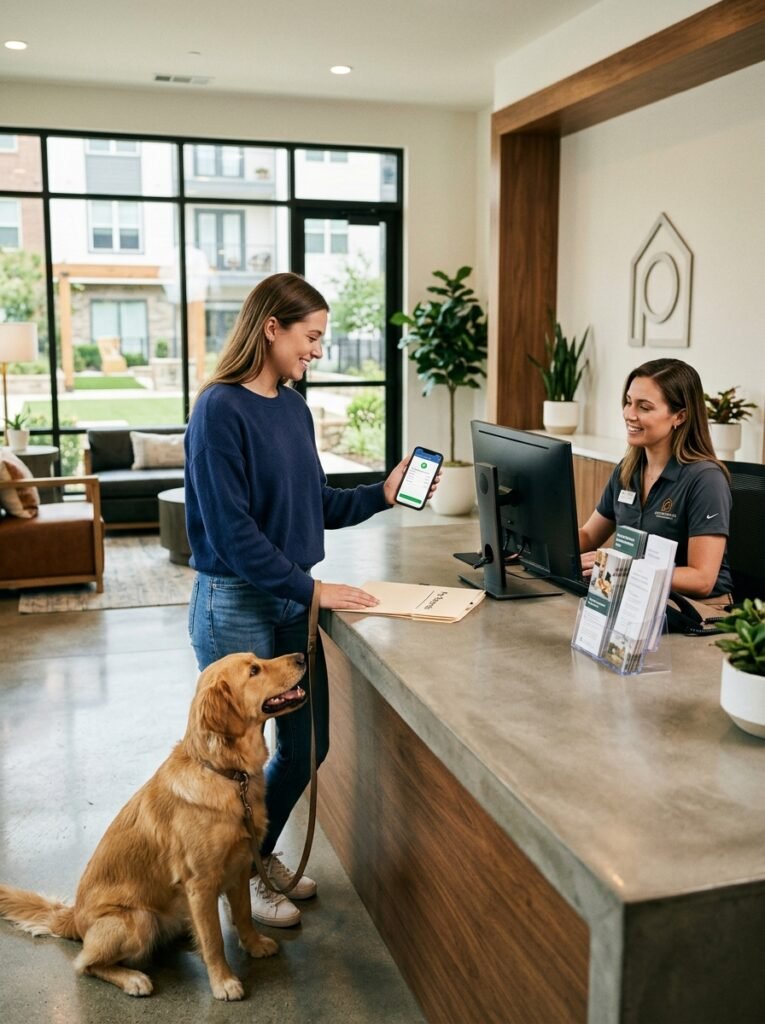
Responsible management companies want to protect their communities from preventable diseases, especially if the property features shared amenities. One of the most important things to ask before renting with dog is exactly which medical records the leasing office requires. You will almost certainly need to provide up-to-date proof of the rabies vaccine. Many properties with shared dog runs also mandate current distemper and bordetella (kennel cough) vaccinations. Keep digital copies of these records readily available on your phone.
6. Durable Flooring Materials
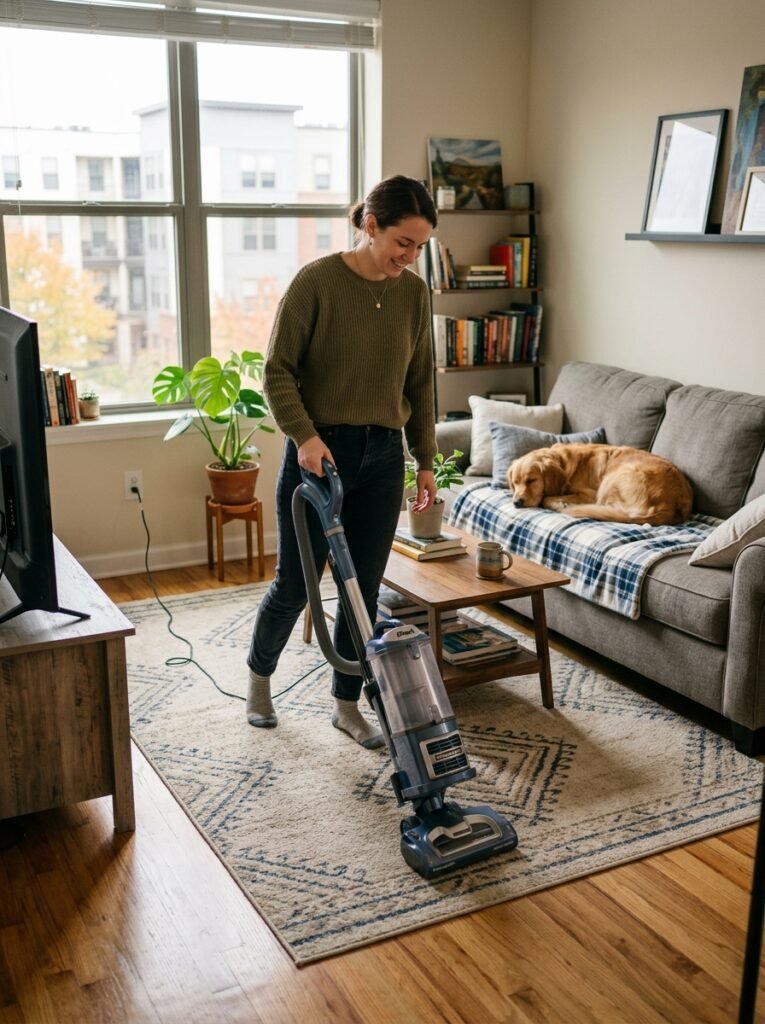
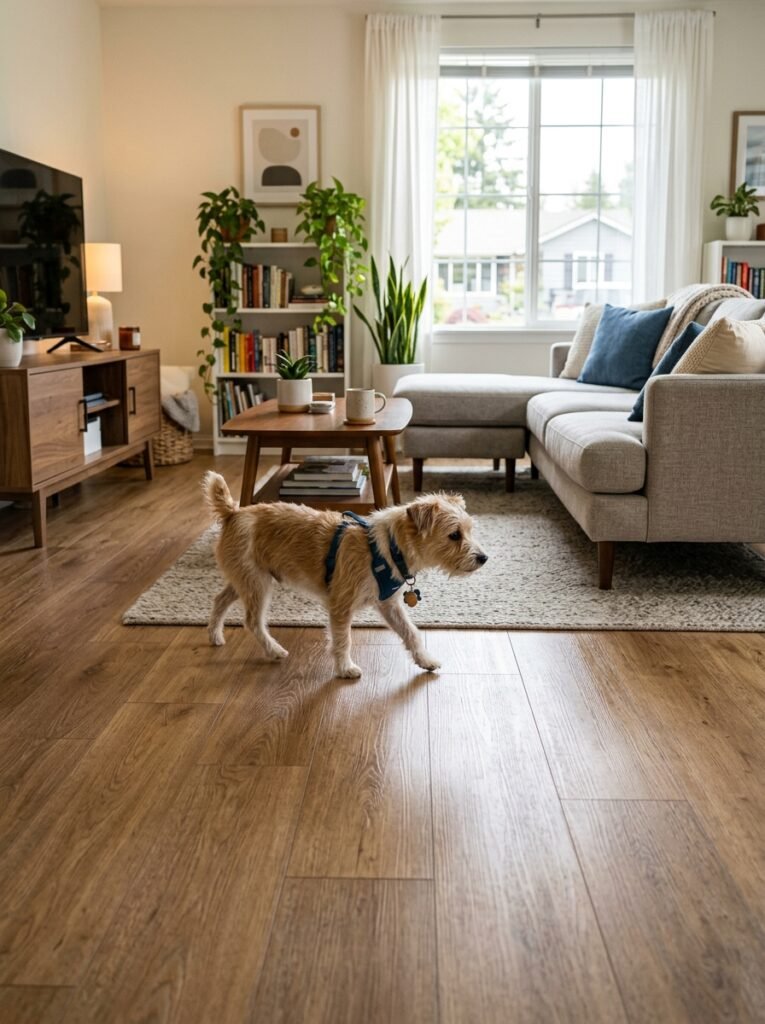
Wall-to-wall carpeting absorbs odors, traps dander, and shows stains immediately, making it the hardest surface to maintain when living with a dog. Look for units featuring luxury vinyl plank (LVP), laminate, or tile, which resist nail scratches and wipe clean easily. If you must rent a carpeted unit, utilizing simple cleaning tips to keep your home fresh—like establishing a daily vacuuming routine and keeping enzymatic cleaners on hand—will help protect your security deposit.
7. Safe Balcony Structures
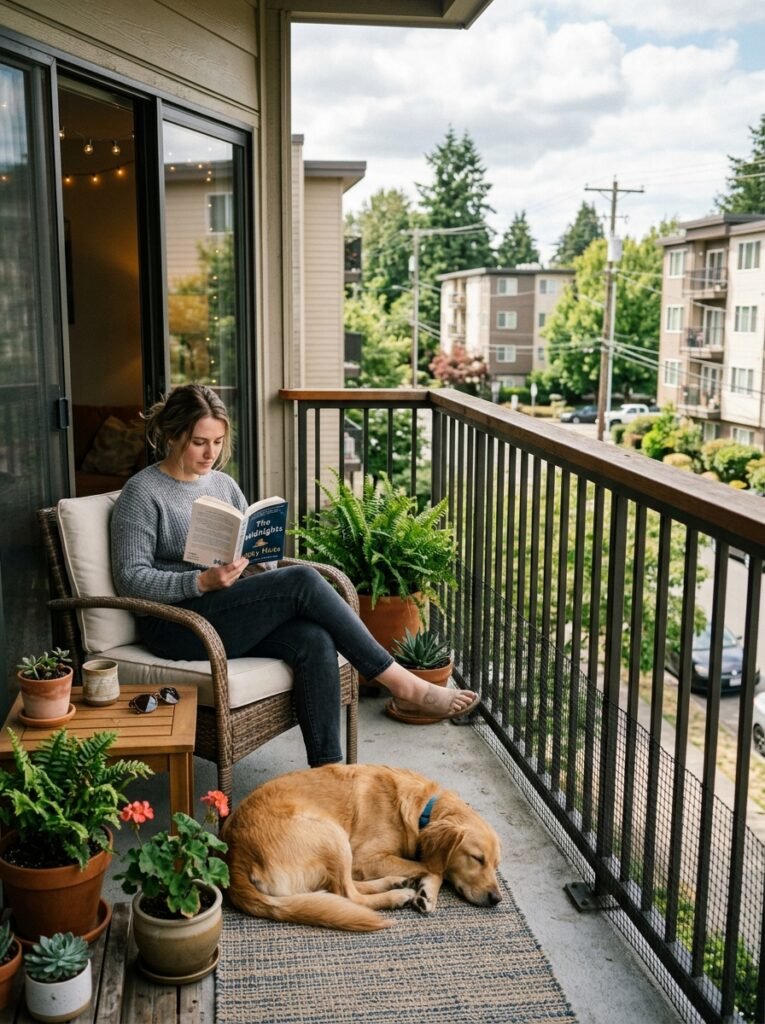
Outdoor spaces are excellent perks, but they pose significant safety risks for curious pets. Inspect the balcony railing for wide gaps that a small dog could squeeze through, or low railings a larger dog could jump over. If the structural gaps are wide, ask management if you are allowed to temporarily attach protective mesh netting or privacy screens to the inside of the railing to reduce the risk of accidental falls.
8. On-Site Relief Areas

A dog friendly first apartment must accommodate daily biological needs efficiently. Walk the perimeter of the building and the surrounding block to locate the nearest patches of grass or designated relief areas. If the apartment is surrounded entirely by concrete, asphalt, or busy multi-lane roads, your daily routine of early morning and late-night walks will quickly become stressful and highly inconvenient.
9. Waste Disposal Rules
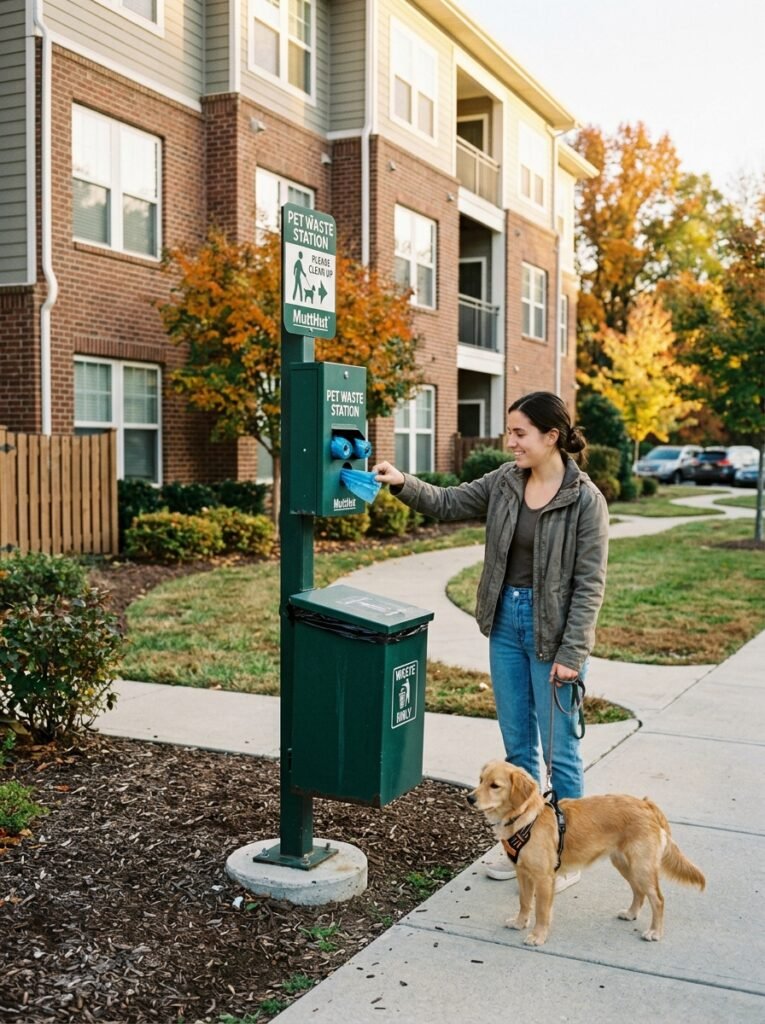
Failing to pick up dog waste is the fastest way to anger neighbors and landlords. Many modern apartment complexes now utilize DNA testing programs (like PooPrints), requiring a cheek swab from your dog upon move-in. If unbagged waste is found on the property, it is sent to a lab, matched to your dog’s profile, and the responsible owner is hit with a heavy fine—often ranging from $150 to $300 per incident. Ask if this program is active on the property so you understand the financial penalties for negligence.
10. Noise Violation Policies
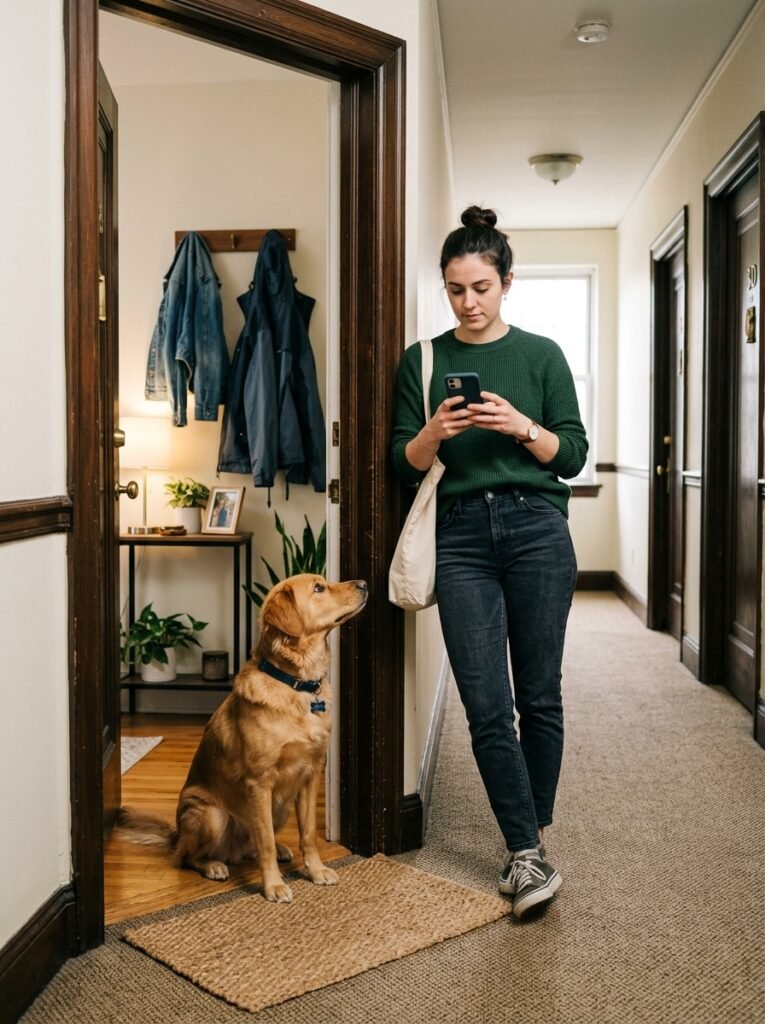
Dogs bark, but excessive, continuous vocalization can lead to lease violations or immediate eviction. Ask the leasing agent exactly how noise complaints are handled between tenants. If your dog suffers from separation anxiety and tends to bark when you leave for work, you need to know exactly how much grace the landlord provides before issuing formal warnings or financial penalties.
11. Maintenance Entry Protocols
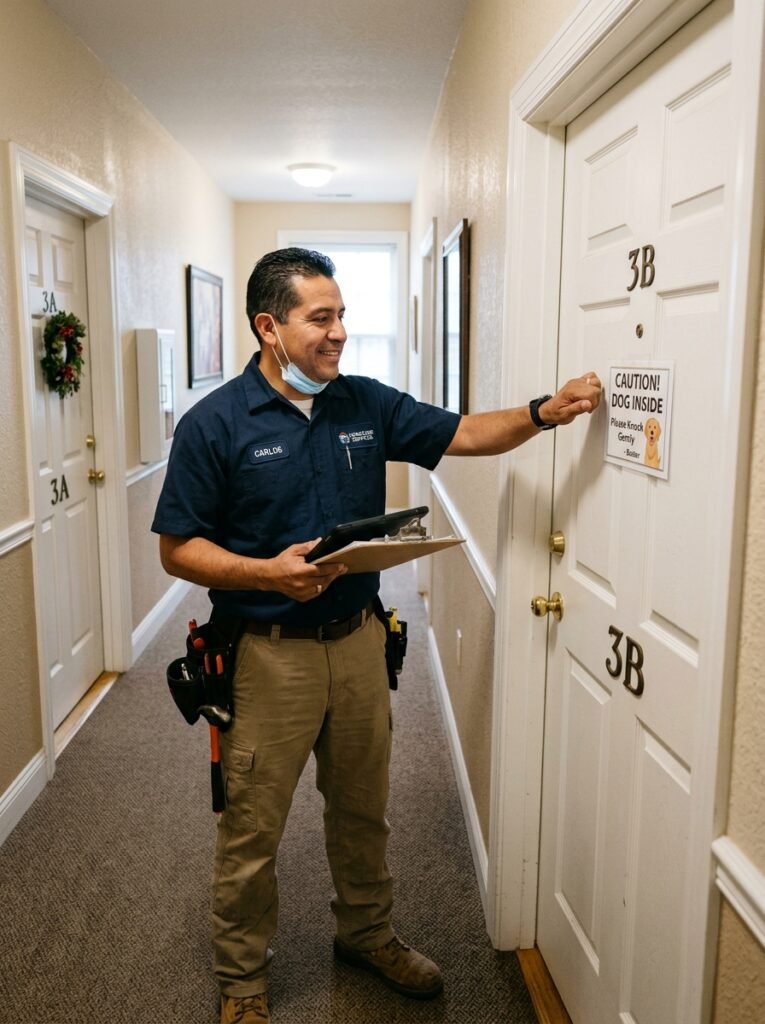
Routine maintenance checks, filter changes, and emergency repairs happen in every rental unit. Ask the landlord what the exact protocol is for entering the unit when you are not home but your dog is. Many properties require dogs to be securely crated if the owner is absent during a scheduled maintenance window. This protects the maintenance workers from defensive dogs, and prevents your dog from accidentally escaping through an open front door.
12. Staircase and Elevator Access
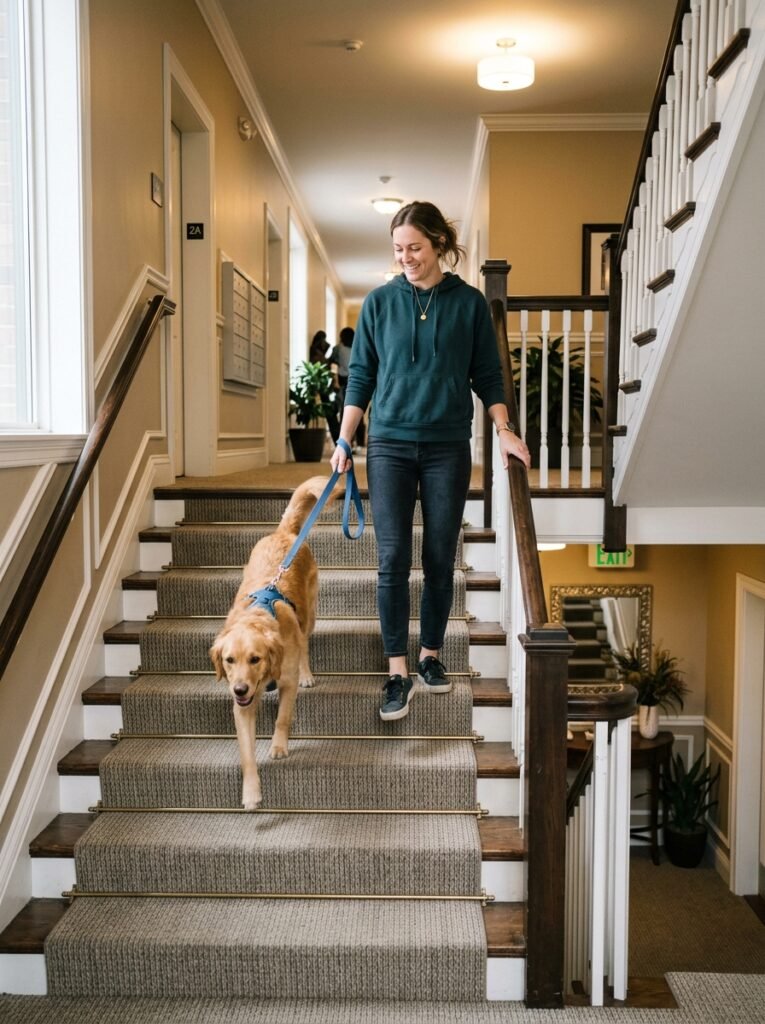
If you are considering a third-floor walk-up, factor in your dog’s current age, weight, and long-term mobility. A young, healthy retriever can handle stairs easily, but a senior dog with arthritis or a heavy bulldog may struggle significantly. Consider whether you are physically capable of carrying your dog up and down multiple flights of stairs multiple times a day in the event of an illness or an emergency.
13. Floor Plan Layout Practicality
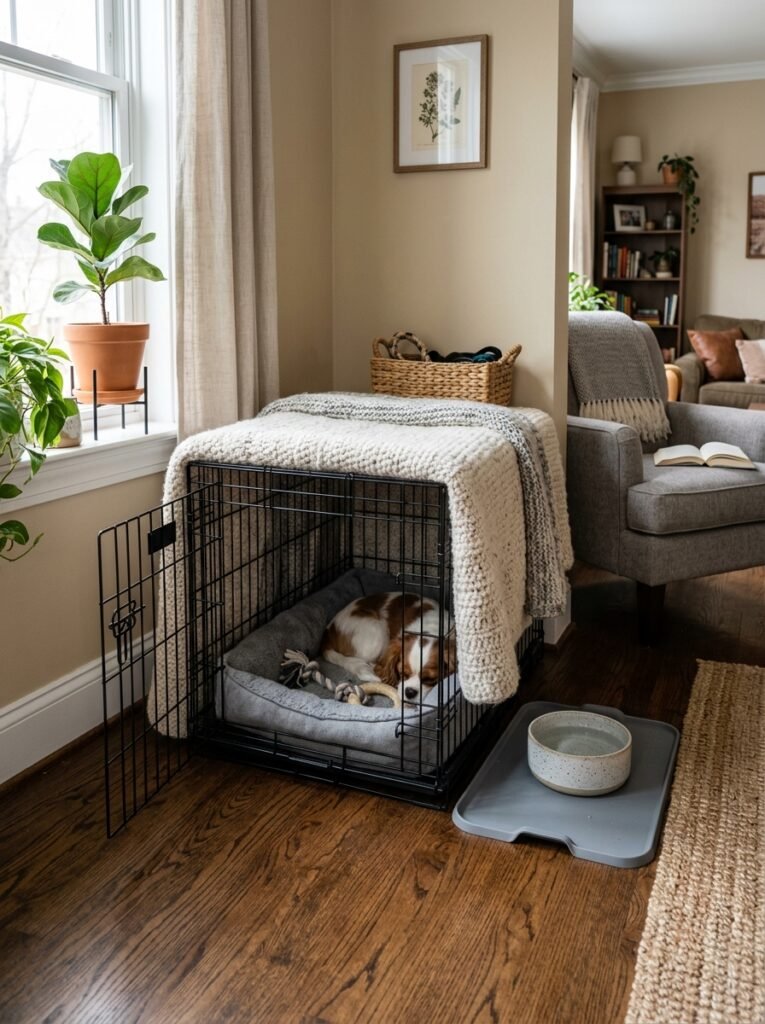
Moving into a first apartment with a dog requires evaluating the floor plan through their eyes. Look for a quiet corner out of high-traffic walkways where you can place a crate or bed. Consider where the food and water bowls will sit; placing them on carpet invites permanent stains, so a kitchen or bathroom with hard flooring is generally the safest location. If you are struggling with spatial planning, exploring living room furniture layout ideas can help you designate a specific, out-of-the-way zone just for your dog’s belongings.
14. Local Neighborhood Walkability
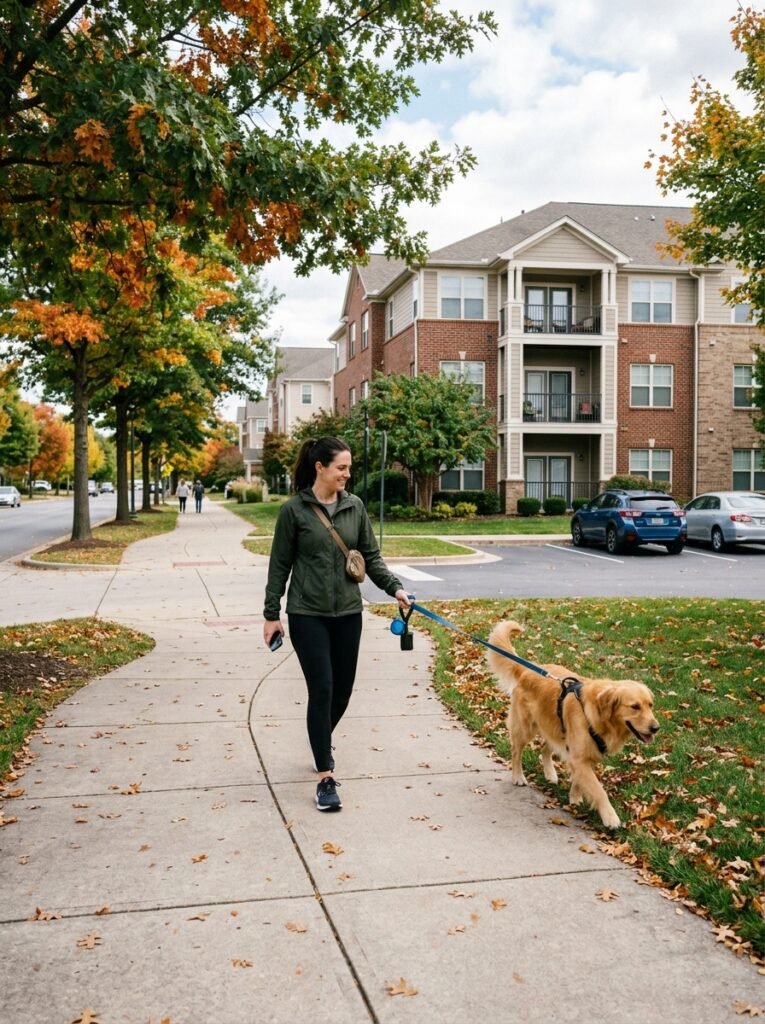
The apartment interior is only half of the equation; the surrounding neighborhood dictates your daily walking routine. Check for continuous sidewalks, pedestrian crosswalks, and adequate street lighting. Taking your dog out for a final bathroom break at 11:00 PM requires a safe, well-lit path. If the nearest patch of grass requires walking through a dark, unlit alleyway, you may want to reconsider the unit for your own personal safety.
15. Toxic Landscaping Hazards
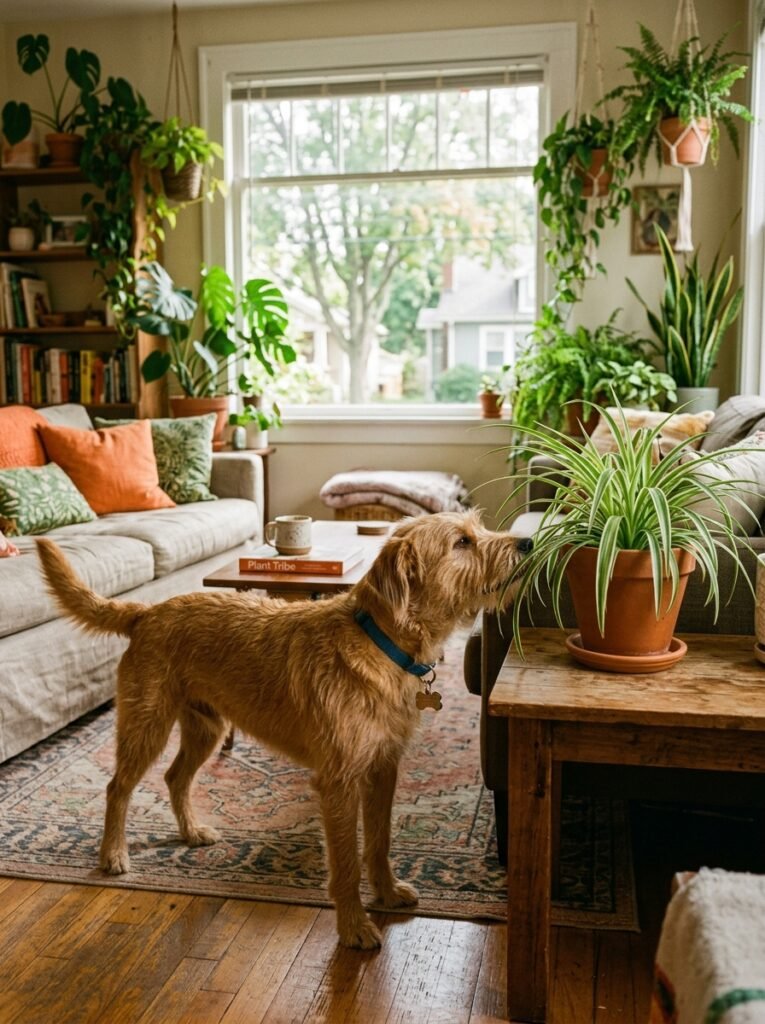
The plants surrounding the exterior of the building and the mulch used in the communal flowerbeds can pose hidden dangers. Cocoa bean mulch, for example, smells like chocolate and is highly toxic to dogs if ingested. Take note of the outdoor landscaping, and when decorating the inside of your new unit, stick strictly to safe indoor plants for beginners to ensure your dog’s immediate environment remains completely hazard-free.
16. Written Pet Addendums

A verbal promise from a leasing agent that your dog is allowed means absolutely nothing if the official lease says otherwise. A vital step on any dog friendly rental checklist is ensuring you sign a formal Pet Addendum before handing over any money. This legal document explicitly names your dog, lists the agreed-upon fees, and officially amends the standard lease to permit the animal on the property, protecting you from sudden policy changes.
FAQ
What are some essential renting with a dog tips for move-in day?
Keep your dog out of the apartment while moving heavy furniture. Propping doors open for movers creates a massive flight risk for a stressed animal. Have a friend watch them off-site, or crate them in a quiet room with the door closed. Once the heavy moving is done, immediately set up their bed, bowls, and familiar toys to help them adjust to the new smells.
Can a landlord change the pet policy after I move in?
No, a landlord cannot legally change the terms of an active lease agreement until the twelve-month term expires. If your signed lease and pet addendum explicitly allow your dog, they cannot revoke that permission or suddenly add breed restrictions mid-lease. They can, however, enforce new rules or ask you to leave when it is time to renew your contract.
How do I handle pet policy apartment questions when I have a mixed breed?
If your dog is a mixed breed and visually resembles a restricted breed (like a Pit Bull or German Shepherd mix), obtain veterinary documentation listing the dog as a “mixed breed” or by their non-restricted primary lineage (e.g., “Labrador mix”). Some strict landlords may request a canine DNA test if they strongly suspect a restricted breed, so honesty about your dog’s appearance and lineage is crucial.
Are emotional support animals (ESAs) subject to pet deposits and rent?
Under the federal Fair Housing Act, a legitimate emotional support animal is not legally classified as a “pet.” Therefore, landlords are generally required to waive pet fees, monthly pet rent, and standard breed restrictions. However, you must provide valid, written documentation from a licensed healthcare professional treating you, and the landlord can still charge you for any actual physical damage the animal causes to the unit.
What is the best way to clean up after a dog in a rental?
Accidents happen, especially in new environments. Always keep an enzymatic cleaner on hand; these cleaners break down the proteins in urine, eliminating the odor rather than just masking it. If you need affordable ways to protect the floors, look into budget home decor strategies like buying inexpensive, washable area rugs to place over the apartment’s existing carpet.
Conclusion
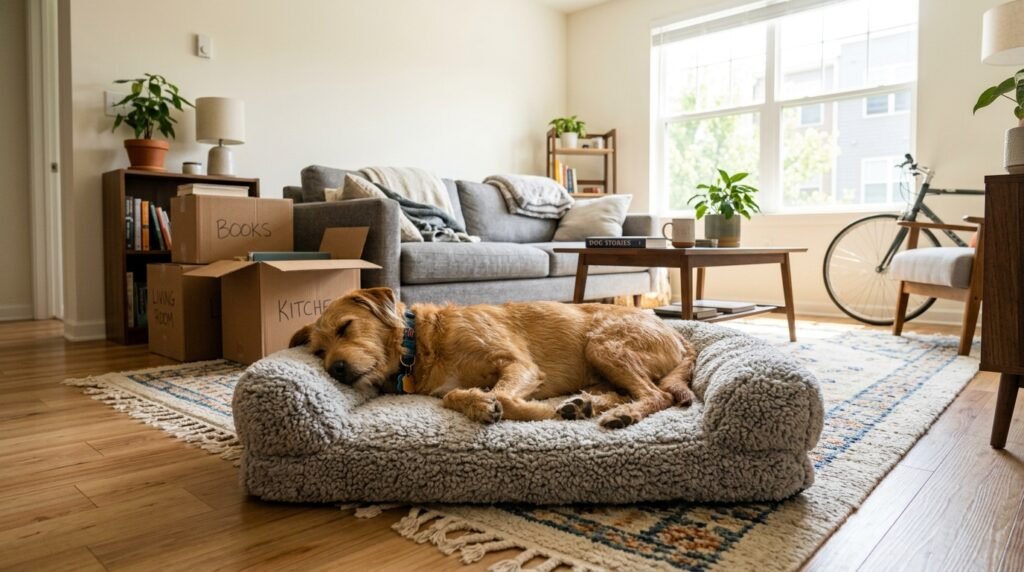
Navigating the rental market with a dog requires patience, thorough research, and a willingness to ask highly specific questions. By strictly following a pet friendly apartment checklist, you can identify hidden fees, ensure the property accommodates your daily routine, and secure legal permission in writing. Remember that honesty is always the best policy; attempting to sneak a dog into a non-pet unit puts you at risk of immediate eviction and loss of your deposit. Take the time to find a property that genuinely welcomes your dog, and you will both enjoy a comfortable, stress-free transition into your new home. If this dog friendly first apartment guide helped clarify your hunt, consider saving it or sharing it with other renters moving with their pets.

Maren started MyFirstLease after a rough first lease taught him everything the internet didn’t. He covers the logistical side of renting — move-in checklists, utilities, and the unglamorous first-week stuff nobody explains — and oversees everything published on the site.