
Transitioning from a dorm room to independent living is a massive milestone, but falling for common off campus apartment mistakes can quickly derail a student’s budget and academic focus. The student housing market operates differently than standard residential real estate. Because landlords know their primary demographic is inexperienced and eager to secure housing close to the university, the pressure to sign a lease quickly is immense.
This guide breaks down the specific traps that college students frequently fall into during their first independent housing search. Learning how to properly evaluate a rental agreement, calculate the true cost of utilities, and assess neighborhood safety ensures your off-campus experience remains positive and financially secure.
Executive Summary

When college students begin apartment hunting near university campuses, the focus is almost entirely on proximity and price. However, this narrow focus frequently leads to signed contracts that contain hidden fees, strict joint liability clauses, and neglected maintenance standards.
The following sections detail five critical mistakes to avoid when securing your first college rental. You will learn how to identify predatory leasing practices targeting students, the financial realities of joint-and-several liability, and why relying solely on virtual tours in student-heavy neighborhoods is a risky gamble.
1. Assuming Utilities Are Included

Dorm living builds a false expectation that housing costs are simple and all-inclusive. When transitioning to an independent apartment, students frequently look at the advertised base rent and assume their budget is secure. One of the most damaging student housing mistakes to avoid is failing to calculate the true cost of unbundled utilities.
A $700-per-month bedroom can quickly become an $850-per-month burden once electricity, water, high-speed internet, and trash collection are factored in. Furthermore, older houses near college campuses—often converted into multi-unit student rentals—are notoriously poorly insulated. This lack of insulation means heating bills during winter exams can be astronomically high. When touring a property, always ask the landlord for a written list of which utilities are included in the base rent, and request the average historical cost of the tenant-paid utilities for that specific unit.
2. Ignoring Joint and Several Liability

Renting a large house with three or four friends seems like the perfect way to cut costs. However, almost all student leases include a clause known as “joint and several liability.” This legal terminology means that every single person who signs the lease is 100 percent responsible for the total rent and any damages, not just their individual portion.
If one roommate drops out of school mid-semester and stops paying their share of the rent, the landlord will demand the missing money from the remaining roommates. If the remaining roommates cannot cover the difference, everyone faces eviction, and everyone’s credit is damaged. When choosing off campus housing with friends, you must have an honest conversation about financial stability before signing a shared contract.
3. Signing Under Artificial Pressure

Landlords in college towns often create a false sense of urgency, pressuring students to sign leases in October or November for the following academic year. They claim that if you don’t sign immediately, you will be left without a place to live. Giving in to this pressure is one of the most common first off campus apartment tips to ignore.
While prime locations do rent quickly, signing a binding contract eight months before you actually move in is risky. Friendships change, financial aid packages fluctuate, and academic plans shift. Do not sign a lease until you are absolutely certain of your roommate group and your budget. Take at least 24 hours to read the entire lease agreement—or have a parent review it—before handing over a non-refundable deposit.
4. Relying Exclusively on Virtual Tours
The convenience of 3D virtual tours and glossy online photos makes it tempting to secure an apartment without ever stepping foot inside. This is a major college renter red flag. Photos are easily manipulated, and virtual tours completely eliminate your ability to assess the physical condition of the neighborhood, the smell of the unit, or the water pressure in the shower.
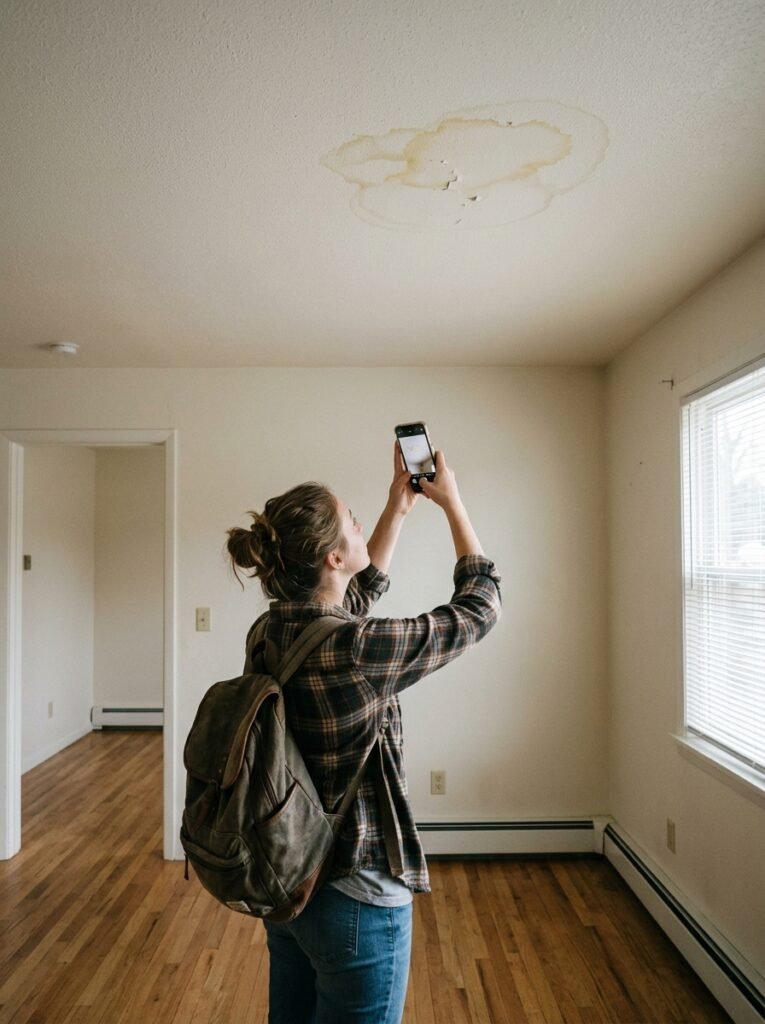
Student-heavy neighborhoods often have issues with overflowing dumpsters, inadequate parking, and severe noise from neighboring properties. If you cannot tour the specific unit you will be renting (not just a staged model), ask a trusted local friend or a current senior to do a walkthrough on your behalf. They can alert you to signs of pests, water damage, or poor security that a wide-angle camera lens easily hides.
5. Overlooking Transportation Logistics
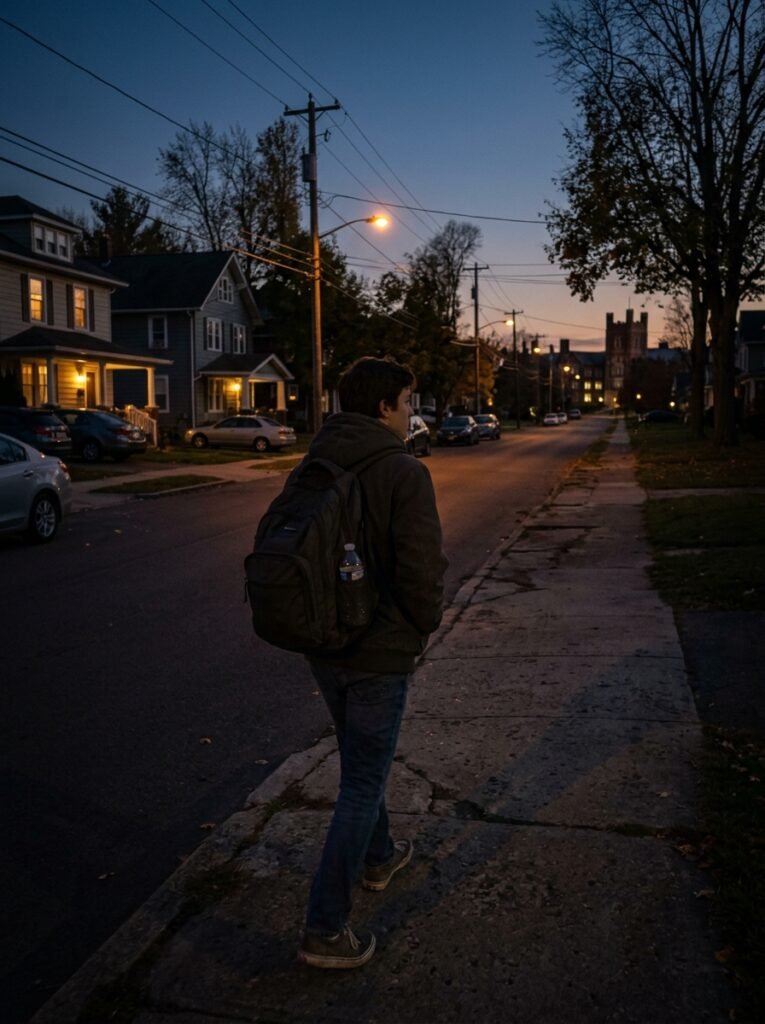
Proximity to campus is the highest priority for most students, but “walking distance” is subjective and often misleading in rental listings. A complex marketed as “just blocks from campus” might technically be close, but the walk could involve crossing a dangerous four-lane highway or navigating poorly lit streets during late-night study sessions.
When establishing your off campus housing checklist, physically walk or drive the route from the apartment to your primary academic buildings. Check the local bus routes and verify whether the university offers a reliable campus shuttle that stops near the property. If you plan to drive, confirm whether the apartment includes guaranteed parking; paying for a daily campus parking pass or receiving parking tickets on residential streets quickly negates the savings of a cheaper, distant apartment.
FAQ
What is the best time of year to start college student apartment hunting? While landlords push for fall signings, the ideal time to seriously hunt for the upcoming academic year is usually late January through March. This gives you time to solidify your roommate group and ensures you aren’t rushing into a decision based on artificial scarcity.
What are the most common student apartment lease tips regarding guarantors? Because most college students lack significant credit history and full-time income, landlords almost always require a guarantor (usually a parent or guardian) to co-sign the lease. Ensure your guarantor understands they are legally backing your financial obligations before you start touring properties.
Can a landlord kick you out if a roommate leaves? If a roommate leaves and the remaining tenants continue to pay the full rent amount on time, the landlord generally has no grounds for eviction. However, if the rent falls short, the landlord can initiate eviction proceedings against everyone remaining on the lease.
What should be on my off campus housing checklist for move-in day? Before moving any boxes into the unit, conduct a meticulous walkthrough with your smartphone camera. Photograph every preexisting scratch, carpet stain, and broken blind. Email these photos to the landlord immediately so you have a time-stamped record preventing those damages from being deducted from your security deposit at the end of the year.
How do I find safe renting near campus tips? Beyond checking the apartment’s physical locks and exterior lighting, research the specific neighborhood’s crime statistics online. Additionally, speaking to upperclassmen or posting in the university’s official student forums often yields the most honest reviews of specific landlords and property management companies in the area.
Conclusion

Securing an apartment near campus is a major step toward independence, but it requires treating the process as a serious financial transaction rather than an extension of dorm registration. By avoiding common off campus apartment mistakes—like ignoring unbundled utilities, rushing into joint leases, and skipping physical tours—you protect your budget and your academic peace of mind. Take the time to read the fine print, verify transportation routes, and communicate honestly with your potential roommates. If you found these student housing strategies helpful, save this guide to your apartment-hunting bookmarks or share it with your friends as you plan your move off campus.

Maren started MyFirstLease after a rough first lease taught him everything the internet didn’t. He covers the logistical side of renting — move-in checklists, utilities, and the unglamorous first-week stuff nobody explains — and oversees everything published on the site.