
Moving to a new duty station requires quick decisions, especially when you are looking for military housing off base for the very first time. Balancing proximity to your installation with finding a community where you can actually relax takes careful planning. Choosing a military home means evaluating both your budget and your daily lifestyle.
This guide covers everything you need to know about navigating the local rental market. From understanding your housing allowances to signing a lease that protects you from sudden orders, knowing the logistics helps reduce the stress of a permanent change of station (PCS).
Executive Summary

Finding the right property involves more than just checking square footage. We will walk through the financial mechanics of housing allowances, how to evaluate property listings, and the specific legal protections every service member must have in their rental agreement.
You will also find practical advice on organizing your new space and managing the transition. Whether you are figuring out finding military housing options or looking for reliable military housing solutions, these tips provide a clear roadmap for your next move.
1. Understand Your BAH Rate

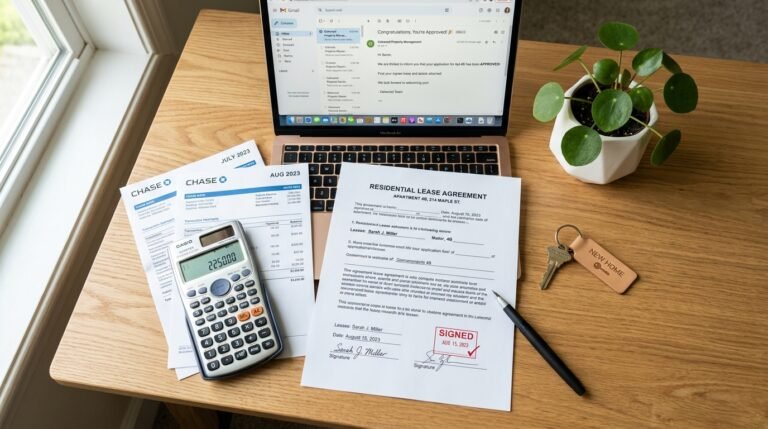
Basic Allowance for Housing (BAH) is a stipend given to service members planning to live off base. The exact amount automatically added to your paycheck depends on your rank, location, and whether you have dependents. Knowing this figure helps you determine what you can comfortably afford before signing a lease.
It is important to remember that utilities are rarely included in standard civilian leases, so you must factor electricity, water, and internet into your BAH calculations.
2. Leverage the RPP
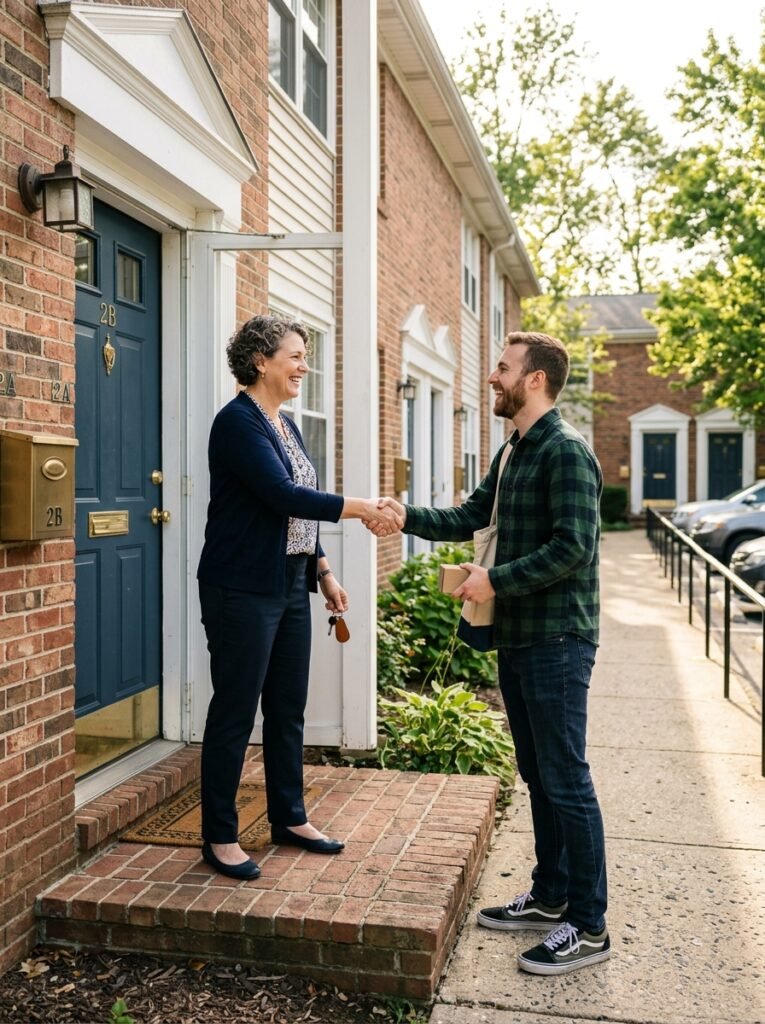
The Military rental partnership program (RPP) connects service members with approved civilian landlords. Properties in this program are evaluated to meet military minimum standards. Participating landlords often offer reduced or waived security deposits and application fees typically not exceeding $50. Rent is frequently paid via automatic allotment, ensuring reliable cash flow and simplifying the payment process.
3. Demand an SCRA Clause

The Servicemembers Civil Relief Act (SCRA) is a federal law that allows active-duty personnel to terminate a residential lease without penalty if they receive Permanent Change of Station (PCS) or deployment orders for 90 days or longer. You must deliver a written notice of termination to the landlord along with a copy of your official orders. Once notification is provided, the lease generally terminates 30 days after the first date on which the next rental payment is due.
4. Compare On vs Off Base

When exploring military relocation housing options, you will need to weigh the convenience of the installation against civilian neighborhoods. Military housing on base typically covers rent and basic utilities entirely through your BAH, offering incredible convenience and proximity to work. Living off base provides more distance from the installation, allowing you to choose your school district and property style.
5. Spot Misleading Photos

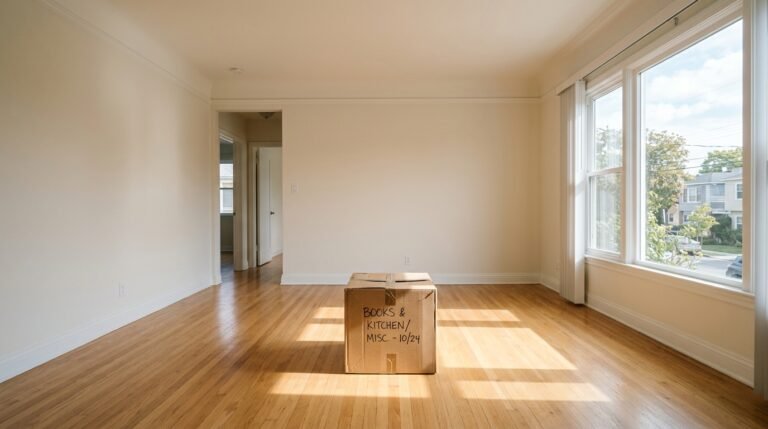
When browsing rental listings, focus on room dimensions and layout rather than the styling. Avoid properties where the photos rely heavily on lifestyle posing—like close-ups of a coffee cup or an overly styled corner—rather than showing the actual walls, floors, and appliances.
6. Map Your Commute

Proximity to the base gates is critical, especially if you have early morning formations or shifts. Use mapping apps to check commute times during typical rush hours, not just in the middle of the day. Keep in mind that living slightly further away might offer a quieter neighborhood, but it increases your daily driving time.
7. Inspect the Layout

Think about how you actually live in a space. If you frequently host family, an open floor plan might be ideal. Sometimes older homes feature an extra bathroom outside the main hallway, near a utility room or garage, which can be useful for guests or cleaning up after outdoor activities. Consider the flow of the home and check out some minimalist living room ideas to make the most of limited square footage.
8. Connect With Other Spouses

A local military spouse can provide honest insights about specific neighborhoods, landlords to avoid, and the best local schools. Base community groups and social media are excellent places to ask questions before signing a lease. They can give you the unvarnished truth about traffic patterns near the gates and reliable utility providers in the area.
9. Review the Pet Policy

Many landlords charge non-refundable pet fees and monthly pet rent. Always get the pet policy in writing, including any breed or weight restrictions. If you have a large dog, prioritize finding a rental with a fenced yard and clear terms regarding property damage.
10. Set Up a Home Office
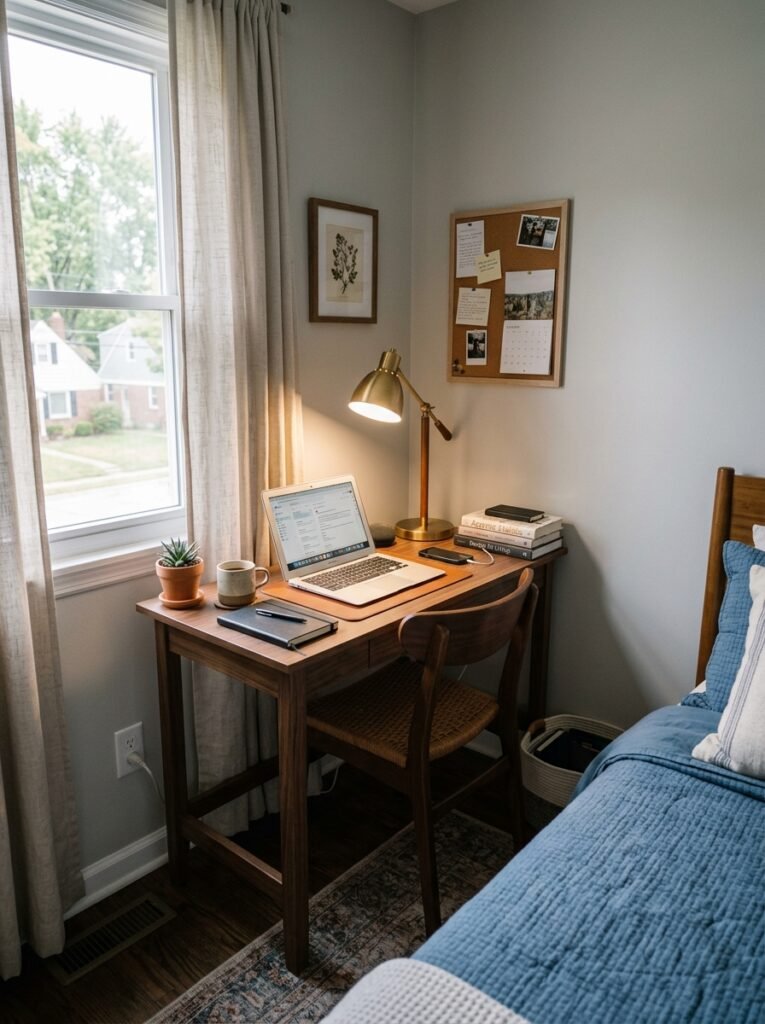
If you or your partner work remotely, designate a specific area for a workspace. Look for a layout that offers a quiet corner away from the main living spaces to help maintain work-life balance. For more ways to optimize your space, review these first time homeowners work from home upgrades.
11. Check Reservist Benefits

Military housing for reservists operates under different guidelines than active duty. Activated Reservists and National Guardsmen serving on active duty for 180 continuous days or more generally qualify for SCRA lease termination protections if the lease was entered into prior to active duty. Always verify your specific orders with your command or legal office.
12. Plan for Overseas Transitions
If your next assignment involves Military housing Overseas, your current lease timeline is critical. Ensure your stateside lease terms align with your expected departure date to avoid overlapping housing costs. Overseas Housing Allowance (OHA) is calculated differently than stateside BAH, often requiring a separate utility allowance.
13. Consider Future Rentals

Many service members eventually purchase a home and decide to keep it as an investment property when they receive new orders. If you ever find yourself asking how to rent my house to military families, look into listing it through the local housing office. Familiarizing yourself with the rental market from a tenant’s perspective now will make you a better landlord later.
14. Evaluate Lease Flexibility

Beyond federal protections, check if the landlord offers a flexible month-to-month option after the initial one-year term expires. This provides peace of mind if your orders are delayed or extended by a few months. Avoid signing a multi-year lease unless you have absolute certainty about your timeline.
15. Plan a Backyard Hangout

A functional outdoor area extends your living space significantly. Whether it is a small patio or a large lawn, look for a space where you can set up a grill and some comfortable seating. Creating a backyard hangout is a great way to decompress after a long week. If you need inspiration, check out these best outdoor rugs for a patio makeover.
16. Create a Cozy Living Area
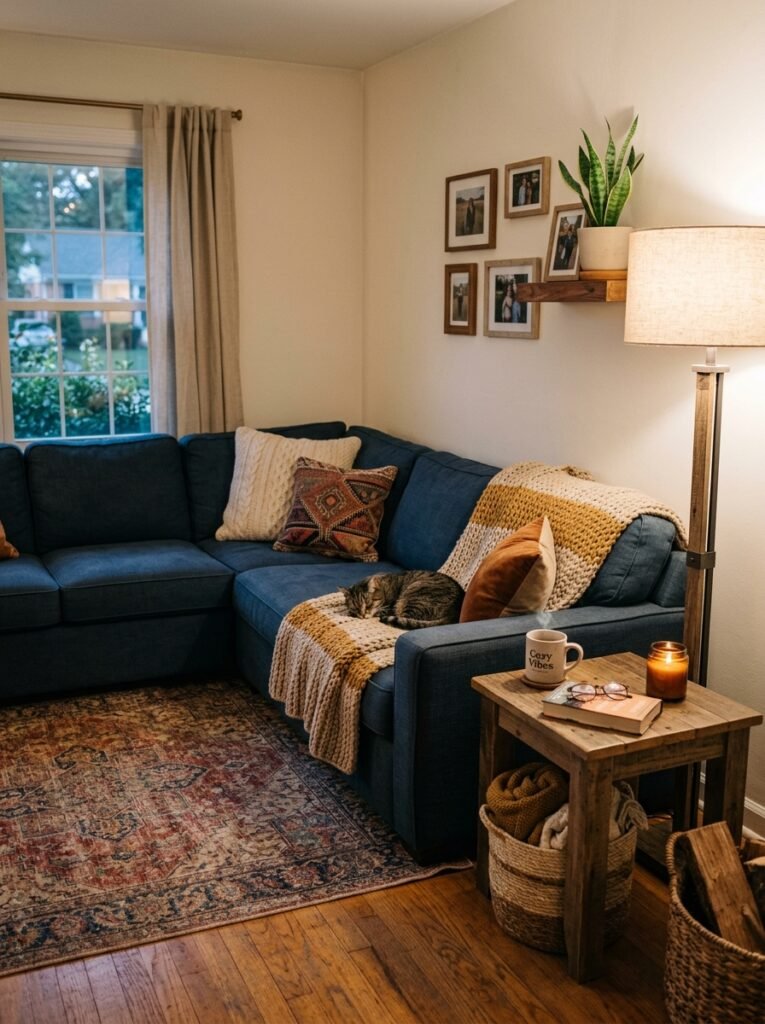
Your living room should be a comfortable retreat. Focus on selecting a plush rug and arranging your furniture to encourage conversation and relaxation. A well-designed space is perfect for cuddling on the couch during movie nights. You can easily elevate the space on a budget with affordable accents like vintage-inspired rugs under $100.
17. Invite Your Work Family

Once you are settled, hosting your command or work family for a casual dinner helps build camaraderie outside of uniform. A rental with a good dining area or an open kitchen makes hosting much easier, and entertaining at home is often more relaxed and budget-friendly than meeting at a restaurant.
18. Budget for Upfront Costs

Civilian rentals require cash upfront. You will typically need the first month’s rent, a security deposit, and sometimes an application fee. If you are not using the Rental Partnership Program, ensure you have enough savings set aside to cover these initial expenses before your first BAH payment hits your account.
FAQ
Does the military pay for housing off base?
Yes, the military provides a Basic Allowance for Housing (BAH) to eligible service members who live off base. This is an allowance automatically added to the service member’s paycheck, based on rank, location, and dependency status.
How do you invoke the SCRA to break a lease?
To break a lease under the SCRA, you must provide your landlord with a written notice of termination and a copy of your official military orders. Once delivered, the lease generally terminates 30 days after the first date on which the next rental payment is due.
Can single service members live off base?
This depends on your rank and the specific installation. Generally, junior enlisted members may be required to live in the barracks, while higher ranks are authorized to receive BAH and rent off-base apartments. Always check with your local command for approval.
What is a military clause in a lease?
A military clause is specific language added to a civilian lease that allows a service member to terminate the agreement without penalty if they receive official relocation or deployment orders. While the SCRA provides federal protection, having the clause plainly written prevents misunderstandings.
Are utilities included in civilian rentals?
Typically, civilian rentals do not include utilities in the monthly rent. You are usually responsible for setting up and paying for electricity, water, gas, and internet, which should be factored into your overall housing budget.
Does the Rental Partnership Program guarantee housing?
No. While the RPP connects service members with approved landlords who offer reduced fees, it does not guarantee availability or force the landlord to rent to you if you do not meet their standard tenant requirements.
Conclusion

Securing a rental near your new duty station does not have to be a stressful ordeal. By thoroughly understanding your BAH, utilizing programs like the RPP, and ensuring your lease includes SCRA protections, you can confidently navigate the civilian housing market. Remember to evaluate properties for how well they fit your daily routine and budget, rather than just their visual appeal. Finding reliable military housing off base sets the foundation for a successful tour. If you found these tips helpful, save this guide for your next PCS or share it with a fellow service member planning their move.

Maren started MyFirstLease after a rough first lease taught him everything the internet didn’t. He covers the logistical side of renting — move-in checklists, utilities, and the unglamorous first-week stuff nobody explains — and oversees everything published on the site.