
Moving into your first apartment with a toddler checklist is different from any other move. You are not just hauling boxes — you are doing it with one small person who needs to eat, nap, and be kept out of trouble at the same time. And when you are a single parent doing it with one set of hands, the stakes feel higher.
This checklist is written for first-time renters who are parents first: single moms and dads moving a toddler into an apartment where you cannot just drill a baby gate into the wall and call it a day. It covers what to check before you sign, what to pack for your toddler, how to plan move day around one small human, rental-safe childproofing that will not cost you your deposit, and a first-night plan that gets everyone to sleep.
Moving into a first apartment with a toddler goes smoothest when you childproof the unit before unpacking, keep your toddler with a trusted caregiver on move day if you possibly can, and set up a familiar sleep zone before anything else. Pack a survival kit with diapers, snacks, and comfort items, and protect the bedtime routine on night one.
Summary
Most moving checklists assume two adults and a child old enough to color on boxes. This one assumes the opposite: you are a single parent, your toddler is somewhere between one and three, and every minute you spend unpacking is a minute you are not watching them. The structure below is built around that reality — childcare first, childproofing before furniture, sleep setup before decoration.
You will find a before-you-sign checklist, a toddler survival kit list, childcare planning for solo parents, rental-safe childproofing, an hour-by-hour move-day timeline you can print or copy into your phone, a first-night sleep plan, and a first-week follow-up list.
1. Check Before You Sign
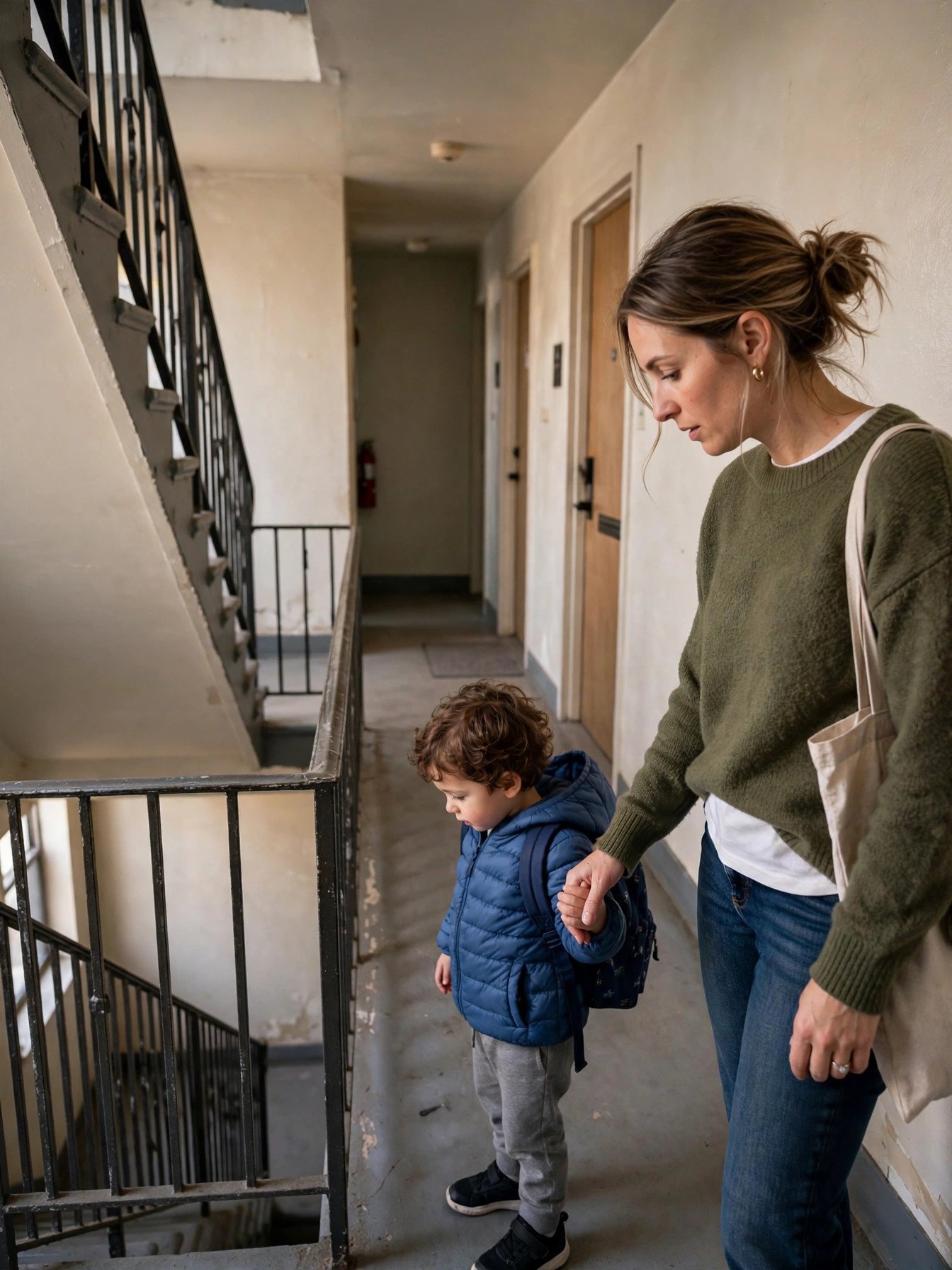
Walk the unit with toddler eyes before the lease is signed. Things that barely register as an adult — a stairwell, a low window, a cabinet full of cleaning products left by the last tenant — become the first items on your childproofing list.
- Stairs and entry: Note every staircase, including shared building stairs and the route from the parking lot. Ask whether a baby gate can be mounted at the top of your interior stairs without violating the lease — get the answer in writing if you can.
- Windows: Check that windows have working locks and screens. Ask about blind cords — cordless blinds or secured cords reduce strangulation risk, and it is reasonable to ask a landlord to replace old corded blinds.
- Outlets and covers: Count low outlets in the living areas. They are easy to cover yourself, but a unit with floor-level outlets in every room adds to your prep list.
- Cabinets and cleaning products: Open under-sink cabinets. If the last tenant left chemicals behind, ask the landlord to clear them before you move in.
- Water heater access: Ask whether the water heater temperature can be set at or below 120°F. Lower hot-water temperature reduces the risk of scalds; in many rentals the landlord controls the heater, so ask before move-in.
- Building age: In buildings built before 1978, federal rules require the landlord to provide a lead-based paint disclosure. Read it, keep a copy, and ask your pediatrician if you have concerns.
- Quiet hours and neighbors: Ask about the building’s quiet-hours policy. Toddlers are loud — knowing the rules and introducing yourself to adjacent neighbors early can head off conflict.
2. Pack a Toddler Survival Kit
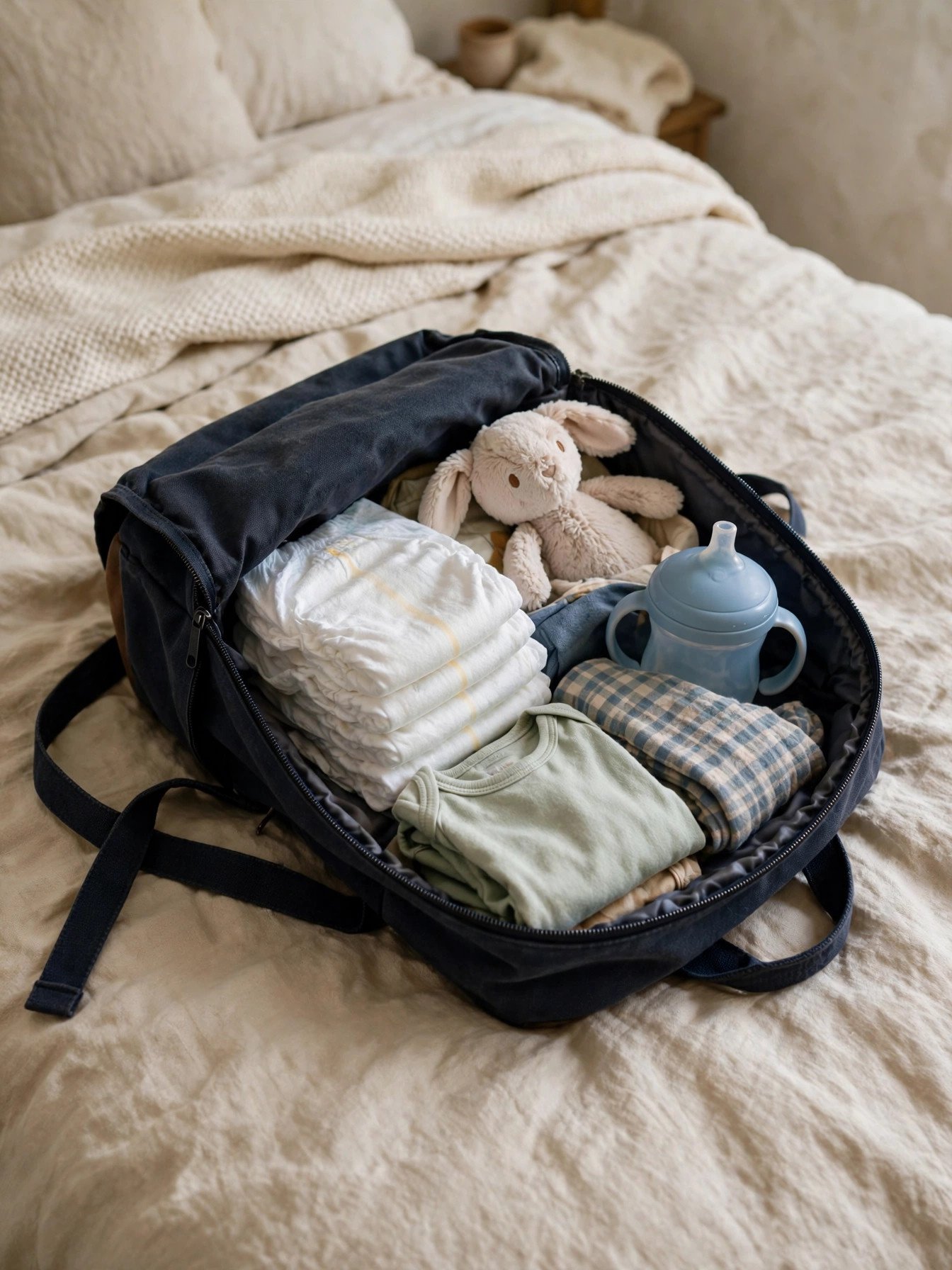
The golden rule: everything your toddler needs for 24 hours goes in one bag that rides with you, not in the truck. Label it clearly and pack it last so it is the first thing you grab.
- Diapers for a full day plus nighttime, wipes, and diaper cream
- Two complete changes of clothes (mess and spill insurance)
- Snacks that travel well and a spill-proof sippy cup or water bottle
- One comfort item — the blanket, stuffed animal, or pacifier they actually sleep with
- Any medications they take, with dosing confirmed by their pediatrician
- Paper towels, a few trash bags, hand soap, and a roll of toilet paper
- Your phone charger and a copy of the lease or move-in paperwork
- A familiar book or two for the bedtime routine
Keep the same essentials in a separate “first-night box” for the crib or toddler bed: sheets, their usual blanket, and the pajamas they already know.
3. Plan Your Childcare

For a single parent, this section matters more than anything else on the list. Moving day with a toddler underfoot is exhausting for you and unsafe for them — heavy furniture, open doors, and distracted adults are a bad combination.
- Best option: Have your toddler stay with a trusted family member, friend, or regular sitter for the full move day. Even half a day helps enormously.
- No caregiver available: Designate one room in the new apartment as a safe zone. Set up the playpen or crib, bring toys and snacks, and gate the doorway so your toddler has one contained, low-hazard space while you work.
- Friend trade: If you cannot afford a sitter, offer a swap with another parent — you watch their child on their move day, they watch yours.
- Tell your movers: If you hired movers, mention that a toddler is on site. They can plan around doorways staying closed and keep small hardware out of reach.
- Plan the pickup: Arrange exactly who collects your toddler and when. Decide this before move day, not at 5 p.m. in a hallway full of boxes.
4. Rental-Safe Childproofing
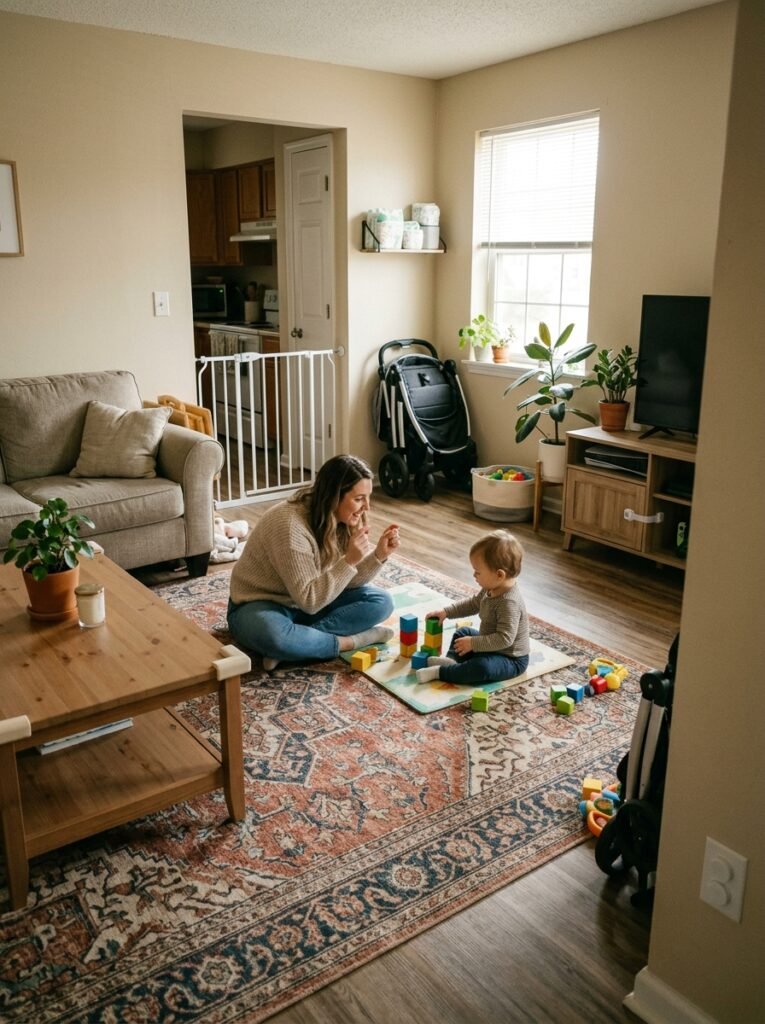
Childproofing a rental means working around the lease: most landlords do not allow drilling into walls or doors, and repairs at move-out can eat your deposit. The products below are designed to be removable — but check each manufacturer’s rating and removal instructions before you buy, and test any adhesive product in a hidden spot first.
- Outlet covers: Slide-safe or plug-style outlet covers for every low outlet. Cheap, fast, and completely reversible.
- Cabinet and drawer latches: Adhesive-mounted latches work on most cabinets without screws. Follow the manufacturer’s weight and removal ratings, and give the adhesive its full curing time before trusting it.
- Blind and curtain cords: Wrap cords on cleats or wind-ups placed high and out of reach. Cordless blinds reduce strangulation risk most effectively — ask your landlord about swapping old corded ones.
- Corner and edge guards: Soft adhesive guards on coffee-table and counter corners. They do not make a corner safe in every scenario, but they reduce the risk of a painful bump.
- Furniture tip-over: Dressers, bookcases, and TVs are a real hazard for climbing toddlers. Most anti-tip straps require screws, which rentals often forbid — check your lease, ask permission in writing, and use only straps rated for the furniture’s weight. As a backup, move heavy furniture against walls and keep climbable items out of reach.
- Doors and gates: Pressure-mounted gates can work for doorways, but check the manufacturer’s guidance before using any gate at the top of stairs — many recommend hardware-mounted gates there. Never treat a gate as a substitute for supervision.
- Chemicals and medicines: Move cleaning supplies, laundry pods, and all medications to a high, latched cabinet on day one — before the boxes come off the truck.
5. Move-Day Timeline
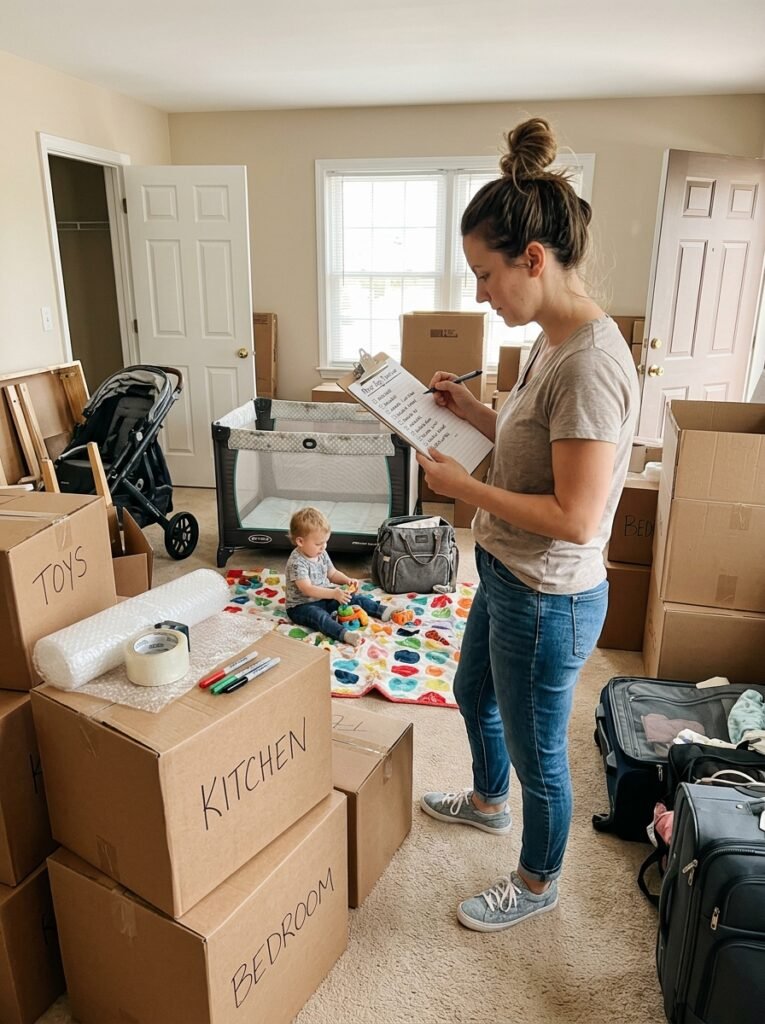
This is the practical heart of the checklist: an hour-by-hour plan built for one parent, one toddler, and a typical move. Adjust the hours to your schedule, but keep the order — child safety and sleep come before unpacking aesthetics.
| Time | Task |
|---|---|
| 7:00 AM | Toddler to caregiver (if arranged). Eat breakfast. Load the survival kit in your car. |
| 8:00 AM | Arrive at the apartment. Walk the empty unit: photograph every room for your move-in records, note damage, test locks and windows. |
| 9:00 AM | Movers arrive (or your help does). Point out which boxes are fragile and where the safe zone is. |
| 12:00 PM | Lunch break. Drink water. Check in with the caregiver. |
| 2:00 PM | Start the childproofing pass: outlet covers, cord wraps, move chemicals to high cabinets. Do this before furniture fills the rooms. |
| 4:00 PM | Set up the sleep zone (see section 6) while the unit is still relatively empty. |
| 5:30 PM | Pick up your toddler — or open the safe zone if they stayed with you. Dinner: order in or eat something simple. |
| 7:00 PM | Run the normal bedtime routine in the new room: same pajamas, same book, same order. |
| 8:00 PM | Lights out for the toddler. You unpack the kitchen box or rest — you earned it. |
6. Set Up the Sleep Zone
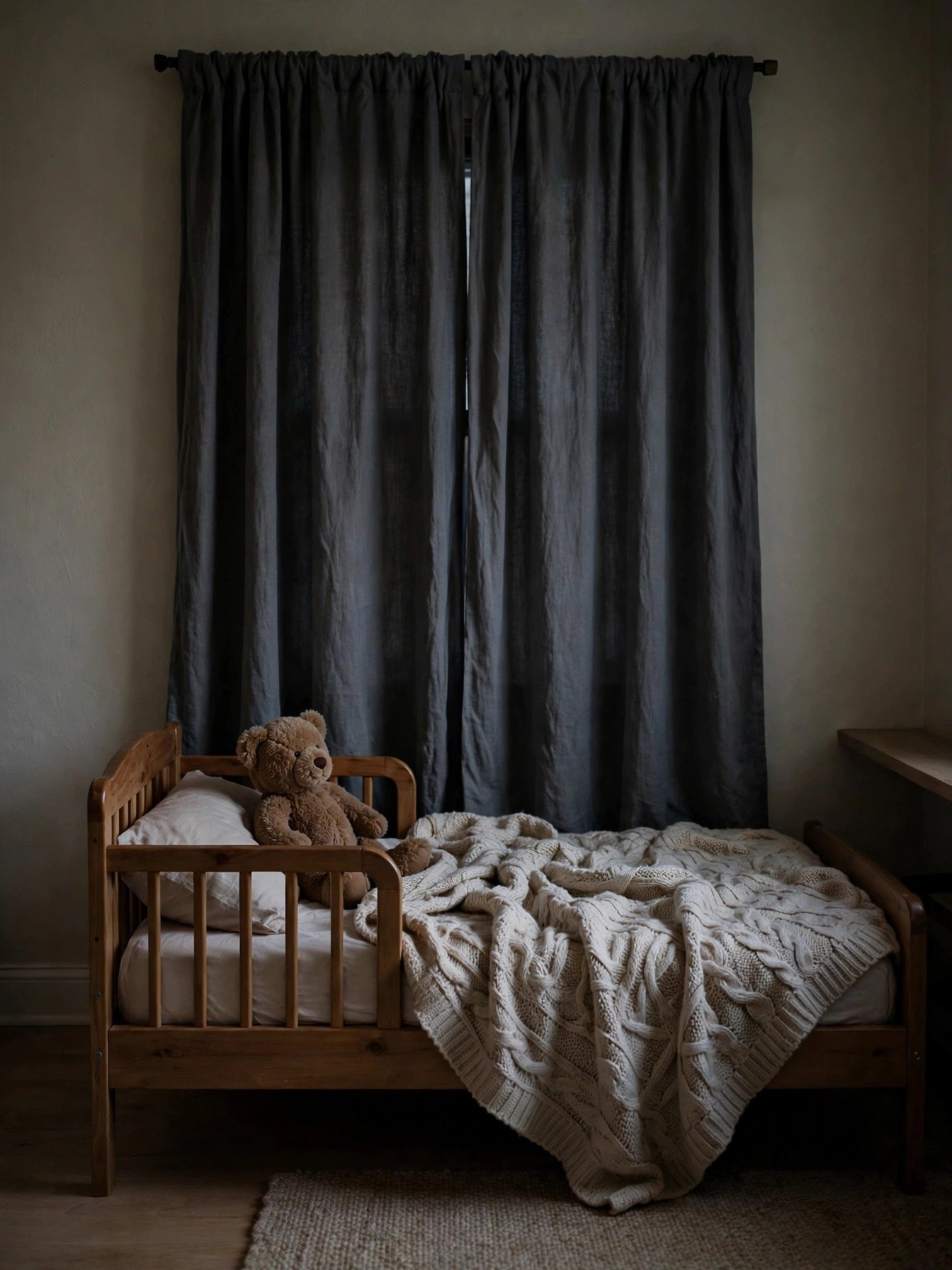
The first night sets the tone. A toddler who sleeps badly in the new apartment makes every unpacking day harder, so build the sleep zone before you touch a single box of kitchenware.
- Assemble the crib or toddler bed first. It is the single most important piece of furniture on move day.
- Use their own bedding. The exact sheets, blanket, and comfort item from the old place carry the smell and feel of home. Do not “save” a new set for the new apartment.
- Darken the room. Toddlers often wake at unfamiliar light. Temporary options that do not damage walls: drape a dark blanket over the existing curtain rod, or tape blackout fabric to the window frame with painter’s tape (test a corner first — some finishes pull paint).
- Add familiar noise. A white-noise app on an old phone can mask hallway and neighbor sounds that would otherwise wake them.
- Keep the routine identical. Same dinner time, same bath order, same book, same lullaby. Routine is the fastest way to make a strange room feel normal.
- Room temperature: Aim for a comfortable cool room. If you cannot control the thermostat yet, a fan for air circulation helps.
7. First-Week Follow-Up
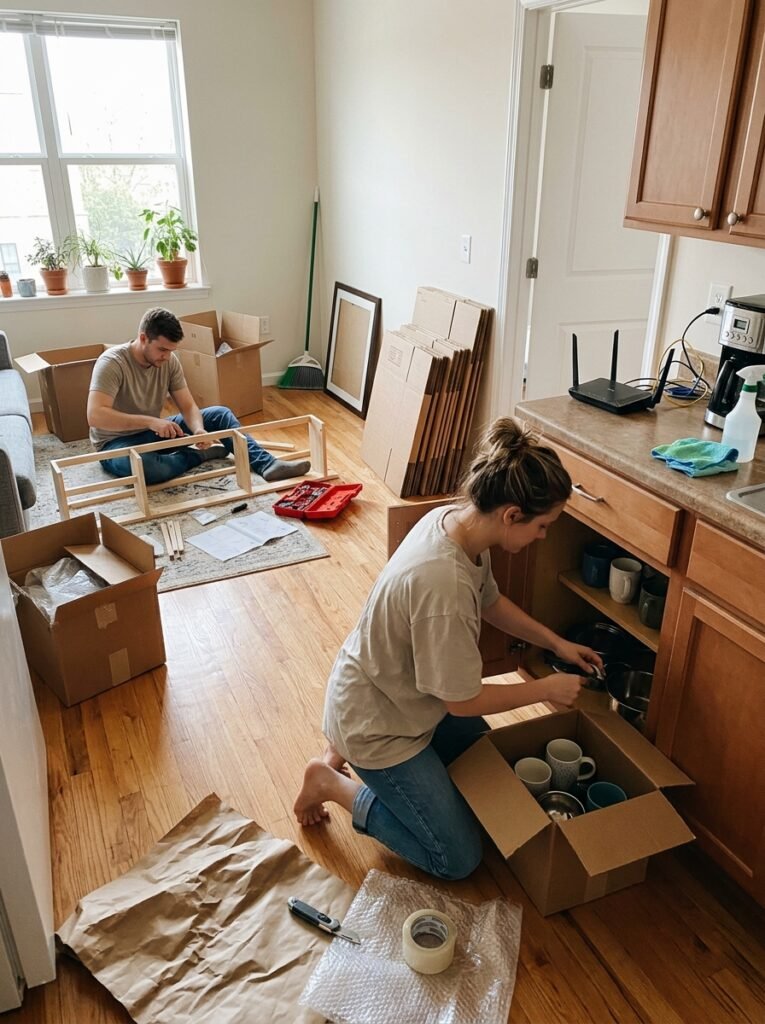
Move day is survival. The first week is when the apartment actually becomes safe and livable. Work through these in order — none of them take long.
- Day 1: Finish photographing pre-existing damage and send the photos to your landlord in writing. Check smoke and CO detectors.
- Day 2: Complete the childproofing pass room by room, including rooms you did not open on move day. Lock away every cleaning product and medication.
- Day 3: Locate the nearest pharmacy and pediatrician or urgent-care clinic. Save the numbers in your phone.
- Day 4: Introduce yourself to the neighbors closest to you — especially below. A quick “we have a toddler, we’re working on the noise” goes a long way.
- Day 5: Test the hot water temperature at the tap. If it runs very hot, ask your landlord about adjusting the heater — 120°F or below reduces scald risk.
- Weekend: Toddler-proof one new space at a time as you unpack. There is no prize for finishing in three days.
For more on the money side of parenting in your first place, our guide for single parents renting on a budget covers how to stretch a tight budget without cutting corners on the essentials. And if you want a general (non-toddler) version of night one, the first-night checklist covers the adult side of move-in day. For a full rundown of the category, see the Moving In & Apartment Basics archive.
FAQ
Can I install a baby gate in a rental apartment?
It depends on your lease. Pressure-mounted gates work in many doorways without screws, but check the manufacturer’s guidance before using any gate at the top of a staircase — most manufacturers recommend hardware-mounted gates there. If your lease forbids wall anchors, ask your landlord for written permission; many agree when the request is specific and temporary.
How do I childproof a rental without losing my deposit?
Stick to removable products: outlet covers, adhesive cabinet latches, cord wraps, and corner guards. Test adhesives in a hidden spot first, follow the manufacturer’s removal instructions at move-out, and photograph everything before you install and after you remove. Written landlord permission for anything you screw into a wall is your best protection.
Should my toddler stay with me on moving day or go to a sitter?
A trusted caregiver is the best option if one is available — movers, open doors, and heavy furniture make a move site genuinely hazardous for a small child. If that is not possible, set up one gated safe room with a crib or playpen, toys, and snacks, and keep your toddler there rather than letting them roam the unit.
What should be in my toddler’s first-night bag?
Pack what the bedtime routine needs: diapers and wipes, two changes of clothes, their usual pajamas, the exact blanket or comfort item they sleep with, a spill-proof cup, a couple of familiar books, and any medications with pediatrician-confirmed dosing. Keep this bag in your car, not the moving truck.
Do I have to tell my landlord I have a child?
Yes — be honest about who will live in the unit. Leases typically set occupancy based on household size, and misrepresenting that can violate your lease. Landlords generally cannot refuse to rent to you because you have children, but they can enforce legitimate occupancy limits.
How long does it take a toddler to adjust to a new apartment?
It varies by child. Many toddlers settle within a few days to a couple of weeks once the routine is stable — consistent meal times, naps, and bedtimes do more for adjustment than any unpacking progress. If sleep disruption lasts longer than a few weeks, check in with your pediatrician.
What about lead paint in an older apartment?
Federal rules require landlords of pre-1978 housing to disclose known lead-based paint hazards before you sign. Read the disclosure carefully and keep a copy. If you have concerns about your toddler’s exposure, talk to your pediatrician about whether testing is appropriate.
Conclusion

Moving into your first apartment with a toddler is one of the hardest versions of moving day there is — especially when you are doing it solo. The parents who get through it well do not have more help or a bigger budget; they plan the day around the toddler instead of around the boxes. Childproof before you unpack, keep the survival kit close, protect the bedtime routine, and give yourself the whole first week to finish. If this checklist saved you a headache, save it or share it with a parent who is about to move — they will thank you.

Maren started MyFirstLease after a rough first lease taught him everything the internet didn’t. He covers the logistical side of renting — move-in checklists, utilities, and the unglamorous first-week stuff nobody explains — and oversees everything published on the site.