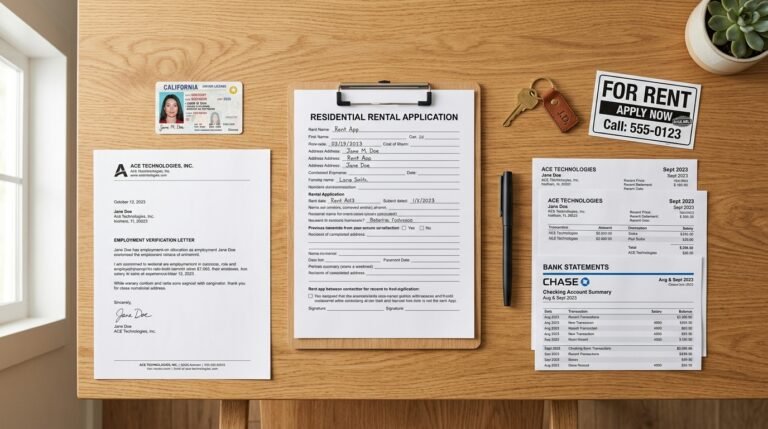

Moving into a shared space requires immediate clarity, which is why establishing firm roommate house rules before unpacking is critical. Transitioning into a new home with other adults brings distinct financial and logistical challenges that cannot be managed through assumptions alone. This guide breaks down the structural, financial, and behavioral guidelines required to successfully manage a home with three or more individuals.
Following a structured roommate rules checklist ensures all tenants understand their obligations regarding rent, cleaning schedules, and shared resources from day one. By setting these concrete expectations early, you can prevent minor misunderstandings from developing into major household conflicts that threaten the lease.
Executive Summary
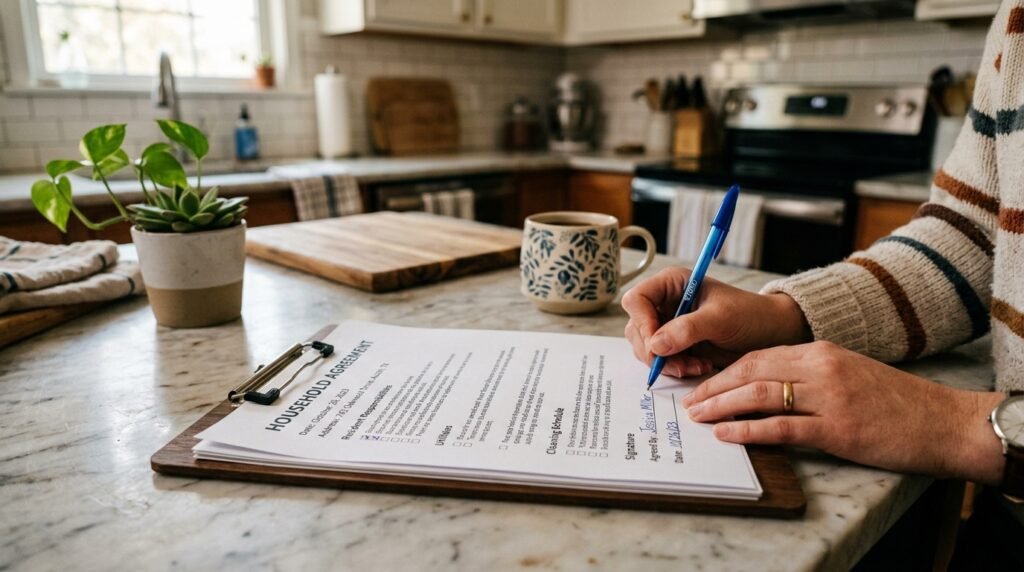
Living with multiple adults introduces complex logistics regarding rent division, shared cleaning duties, and personal boundaries. Without a documented plan, minor annoyances over unwashed pots or unexpected overnight guests quickly escalate into serious, lease-breaking arguments that ruin friendships.
This comprehensive framework covers every phase of shared living, from mapping out fair utility splits to assigning specific refrigerator shelves. Implementing these highly practical systems ensures everyone pays their fair proportion, actively maintains the common areas, and respects individual privacy throughout the duration of the lease term.
1. Create a Written Contract
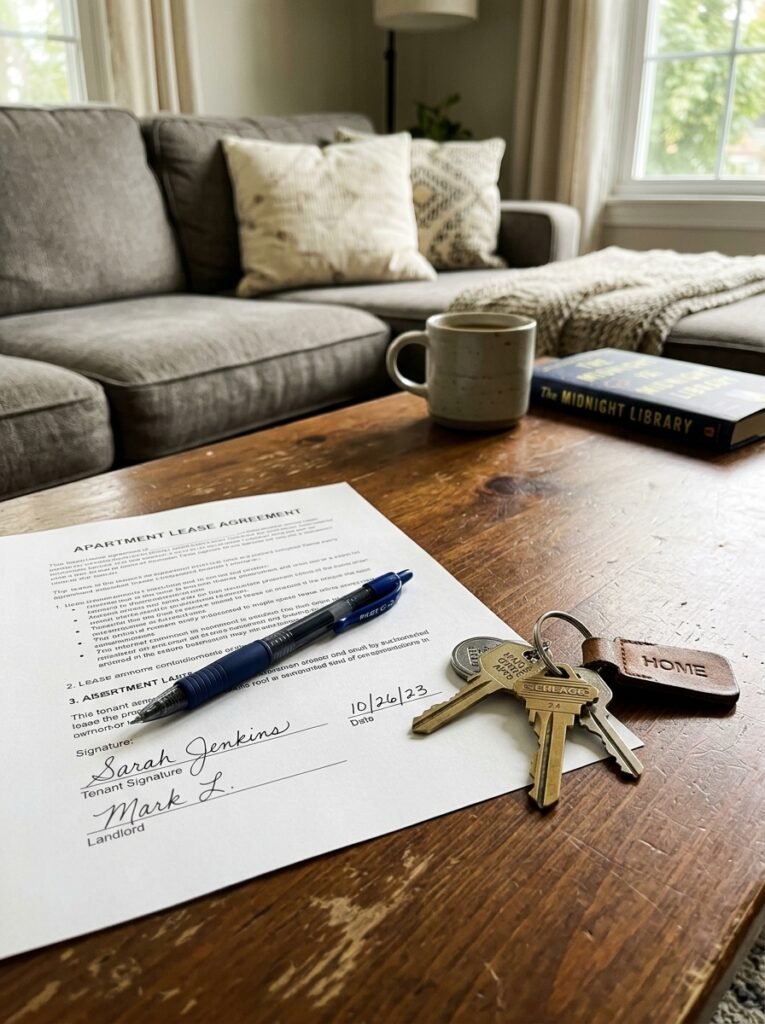
Before unloading boxes, sit down and draft a formal first apartment roommate agreement. This document should outline financial responsibilities, chore expectations, and specific house guidelines. Putting expectations in writing removes ambiguity and serves as an objective reference document if disagreements arise later in the lease.
2. Divide Rent by Square Footage
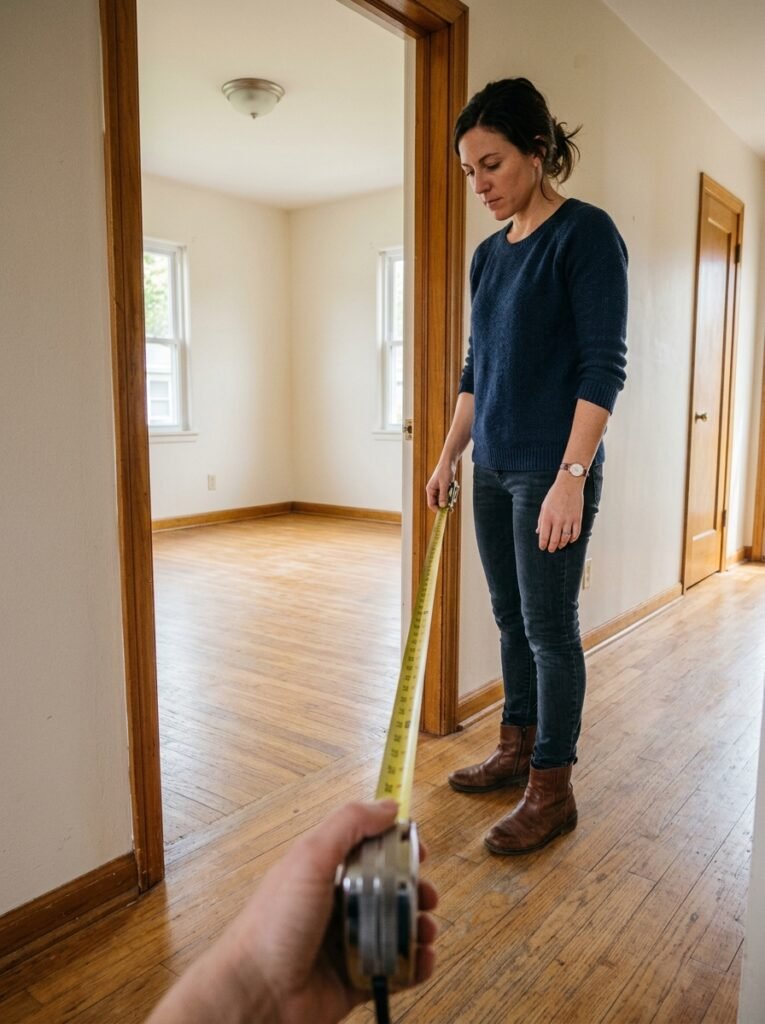
Do not divide base rent evenly unless all bedrooms are identical in size and features. The most mathematically sound approach is to split the cost of shared common areas evenly, then divide the remaining rent based on the exact square footage of each private bedroom. Add a small premium for perks like en-suite bathrooms or private balconies.
3. Split Utilities Evenly

Unlike base rent, water, gas, and electricity bills fluctuate based on active usage rather than physical footprint. Divide these costs evenly among all roommates. If one person uses significantly more power—such as running a personal window air conditioning unit continuously—agree on a set monthly premium they will pay toward the electric bill.
4. Establish Quiet Hours

Setting boundaries with roommates requires clear communication regarding daily noise levels. Agree on specific quiet hours for weekdays (e.g., 10:00 PM to 7:00 AM) and weekends. During these windows, roommates should use headphones for media, avoid running noisy appliances like blenders or vacuums, and keep conversations in common areas at a low volume.
5. Build a Visible Chore Chart
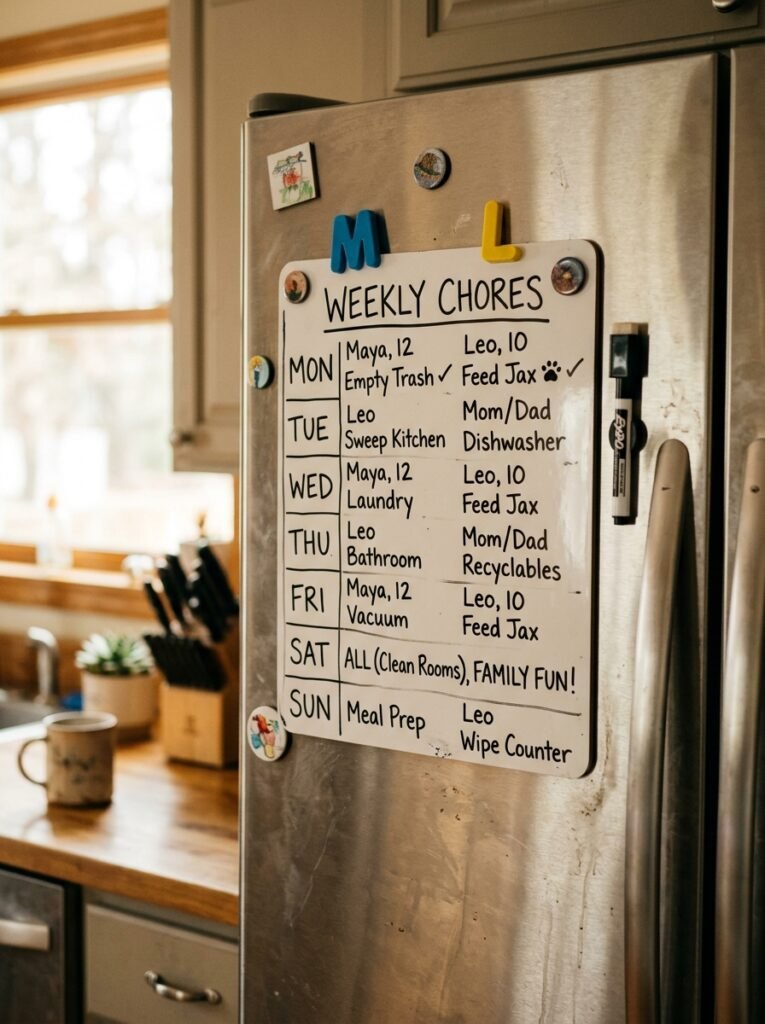
Relying on everyone to clean when the apartment looks dirty guarantees the work will fall entirely on the neatest person. Explore different roommate chore chart ideas, such as rotating weekly zones (kitchen, bathroom, floors) or assigning fixed permanent tasks based on preference. Post the schedule clearly on the refrigerator to maintain accountability.
6. Assign Kitchen Storage Space
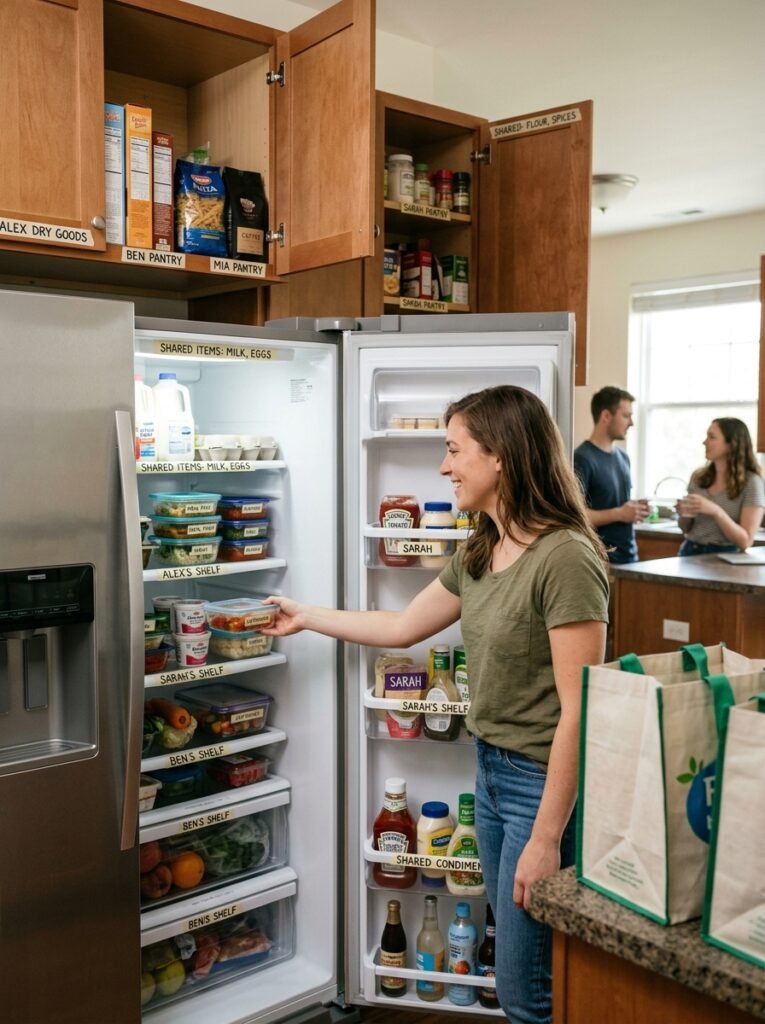
Living with multiple roommates often leads to overcrowded refrigerators and overflowing pantries. Prevent food waste and arguments by physically dividing storage. Assign one specific refrigerator shelf and one dry-goods cabinet to each person. Leave the door racks and one lower shelf strictly for agreed-upon shared items like condiments or milk.
7. Define the Guest Policy

Unexpected overnight visitors are a primary source of household tension. Set firm shared apartment rules detailing how many nights a week a significant other or friend can stay over before they are considered a nuisance. A standard limit is no more than three consecutive nights, with advance notice required for out-of-town visitors.
8. Set Thermostat Baselines
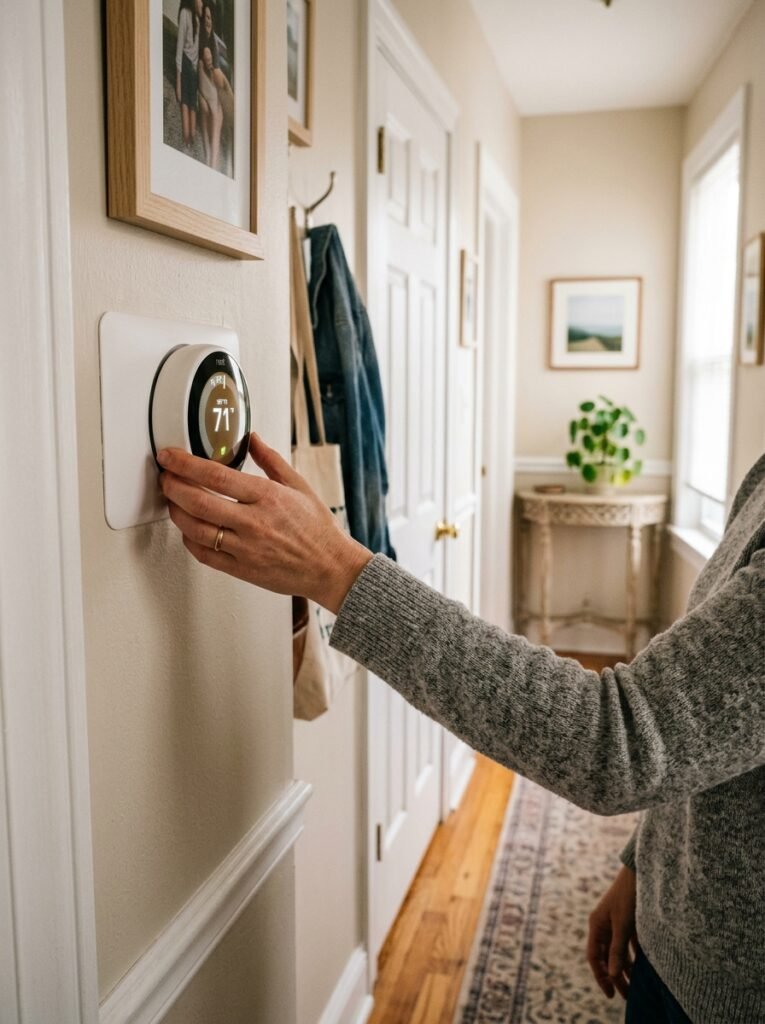
Heating and cooling preferences directly impact both daily comfort and the monthly utility budget. Agree on a baseline temperature range for summer and winter. If one roommate prefers the apartment significantly colder in the summer, they should either use a personal fan in their room or agree to cover a larger percentage of the cooling costs.
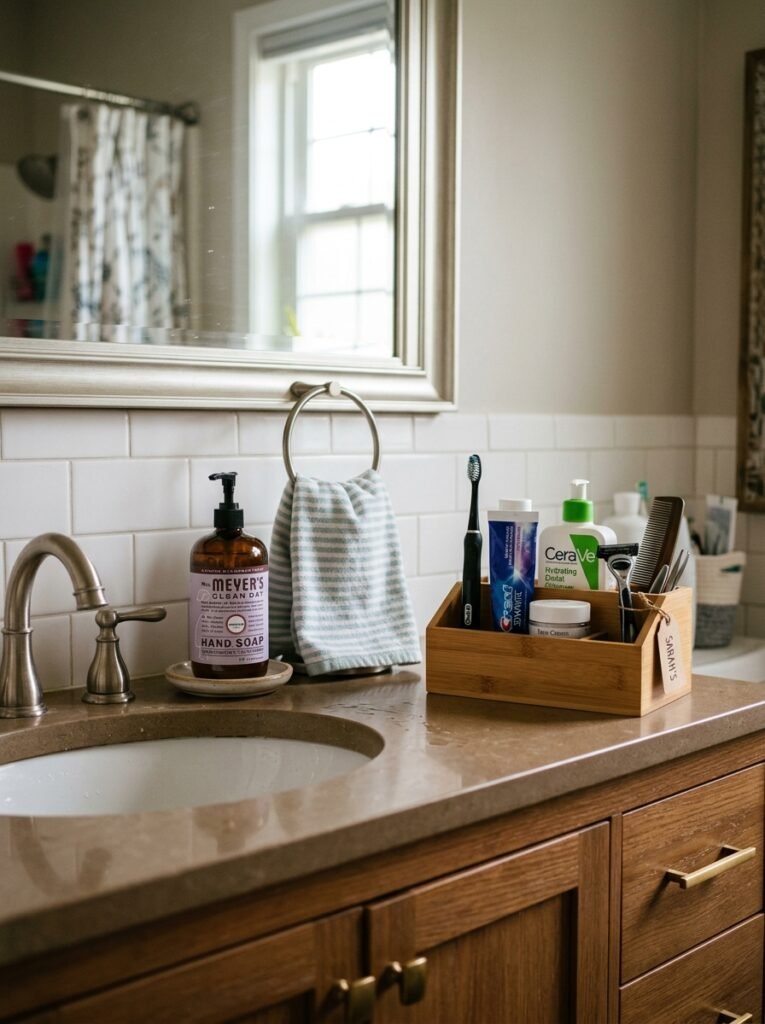
Determine exactly which household items are communal and which are strictly personal. Toilet paper, trash bags, dish soap, and cleaning spray are usually purchased jointly or on a rotating schedule. Personal toiletries, expensive laundry detergent, and specific dietary staples should remain strictly off-limits to others unless explicitly offered.
10. Manage Common Area Clutter
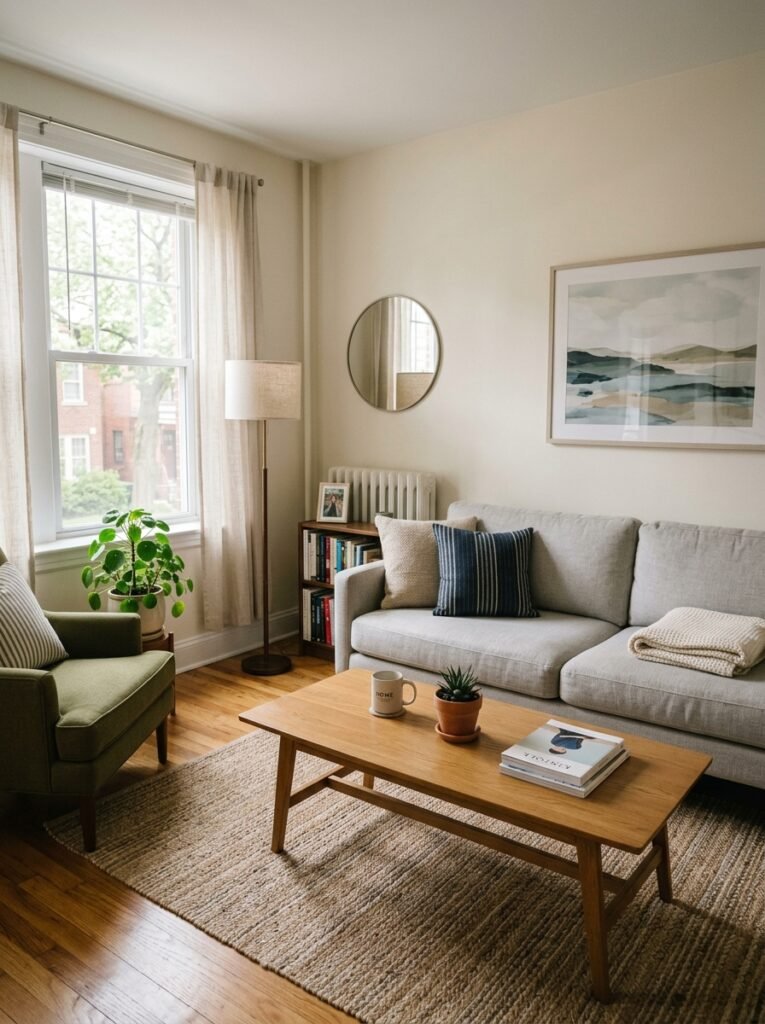
The shared spaces must remain neutral territory. Agree that personal items—like laptops, shoes, textbooks, or gym bags—must be returned to private bedrooms at the end of the day. If you are jointly purchasing furniture for the space, utilize budget home decor strategies and clearly document who owns which piece for when the lease ends.
11. Establish Bathroom Schedules
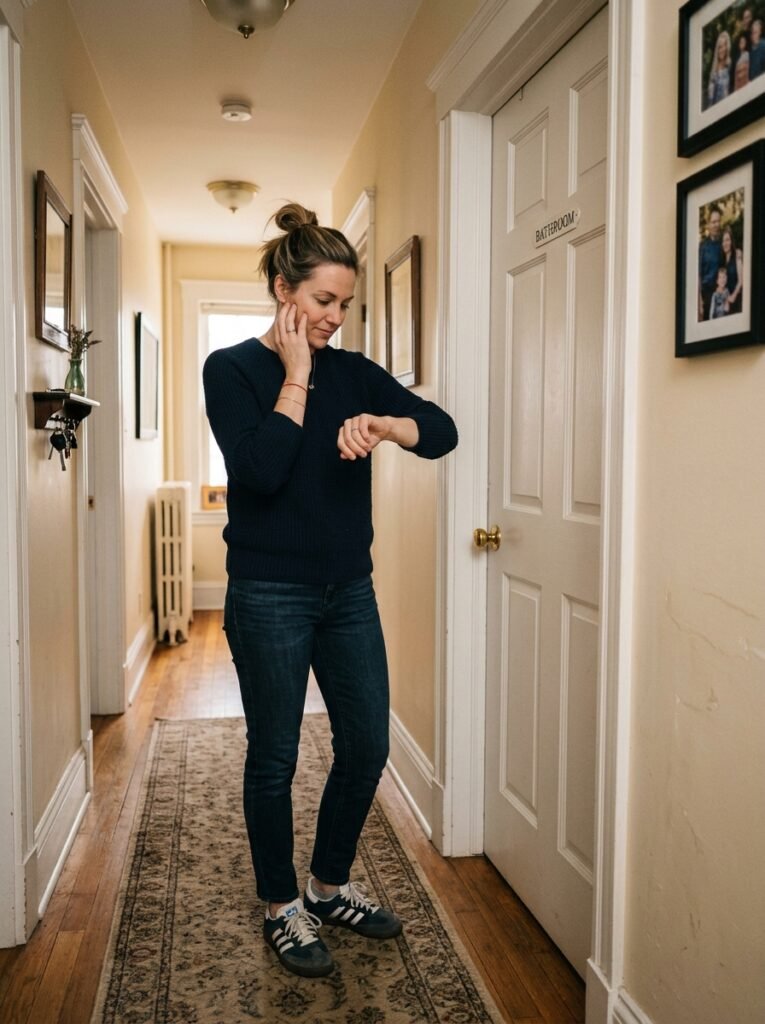
When three or more adults utilize a single bathroom, morning routines require strict coordination. Discuss typical work or class schedules and block out 20-minute shower windows for each person. Stick to the agreed-upon schedule, and dry hair or apply makeup in your own bedroom to free up the shared mirror faster.
12. Designate a Landlord Liaison
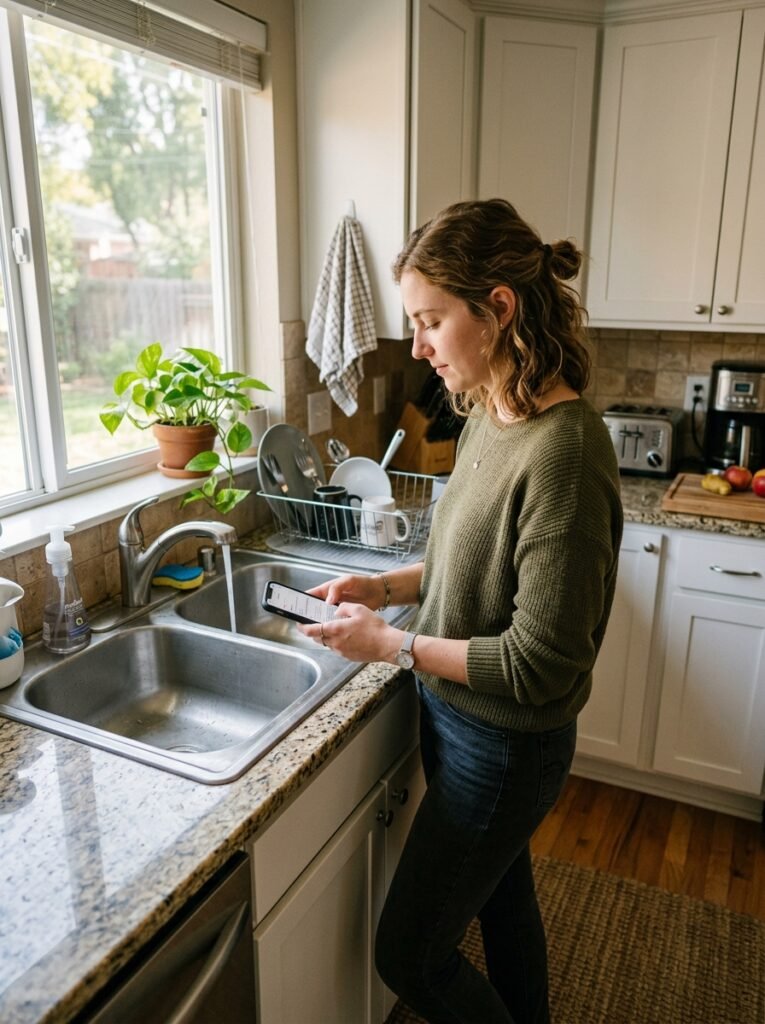
Property managers prefer communicating with a single point of contact rather than receiving multiple texts about a leaky faucet. Appoint one highly organized roommate to handle all maintenance requests and official landlord communication. This person is also responsible for forwarding any community notices to the rest of the household.
13. Outline Lease-Break Protocols
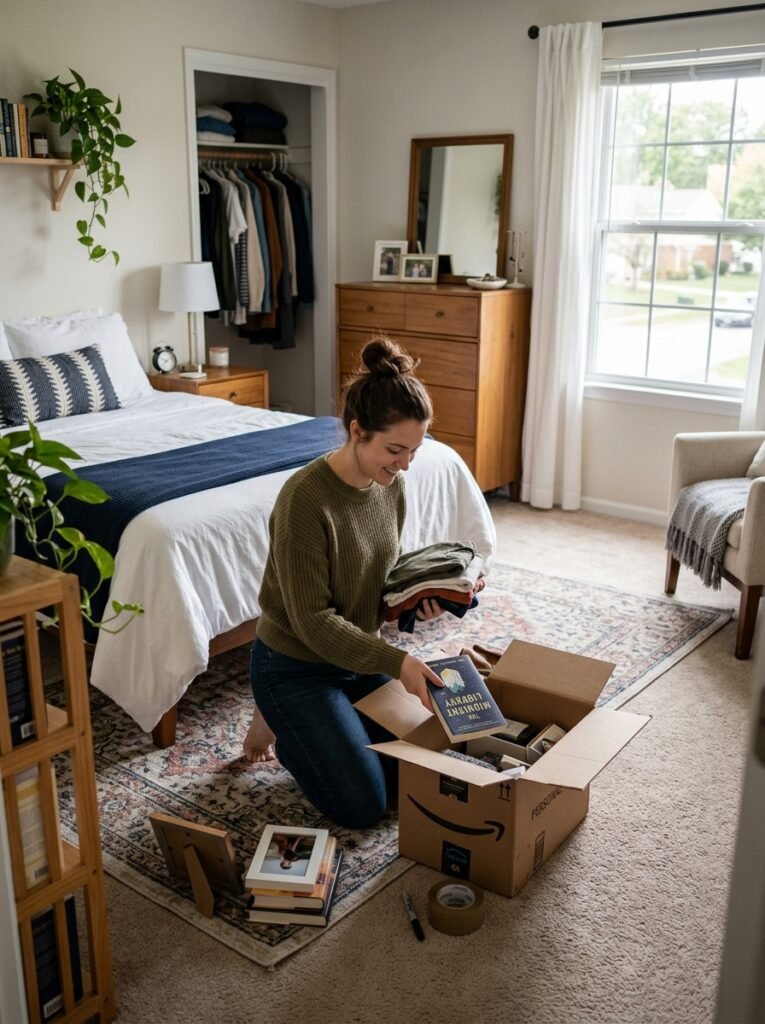
Circumstances change rapidly, and someone may need to relocate before the lease expires. Agree upfront that a departing roommate remains financially responsible for their share of rent and utilities until a replacement is found, interviewed, and officially approved by the remaining roommates and the landlord.
14. Track the Security Deposit

Document exactly how much each person contributed to the initial property funds. If one roommate causes specific damage to their bedroom or a common area, the cost of that repair must be deducted solely from their portion of the deposit return, not split among the entire household.
15. Centralize Bill Payments

Missing a utility due date impacts everyone’s access to electricity or internet. Use a digital expense-sharing app to track all shared household costs. The designated bill payer must upload the receipt or statement each month, and all other roommates must transfer their required funds before the actual due date to avoid late fees.
16. Clarify the Pet Policy

Even if the building allows animals, the household must unanimously agree before bringing one into a shared space. Establish clear rules regarding who is responsible for feeding, walking, and paying for any damage the pet causes. The pet owner must also agree to immediately address any noise complaints or messes in common areas.
17. Coordinate Lockout Solutions
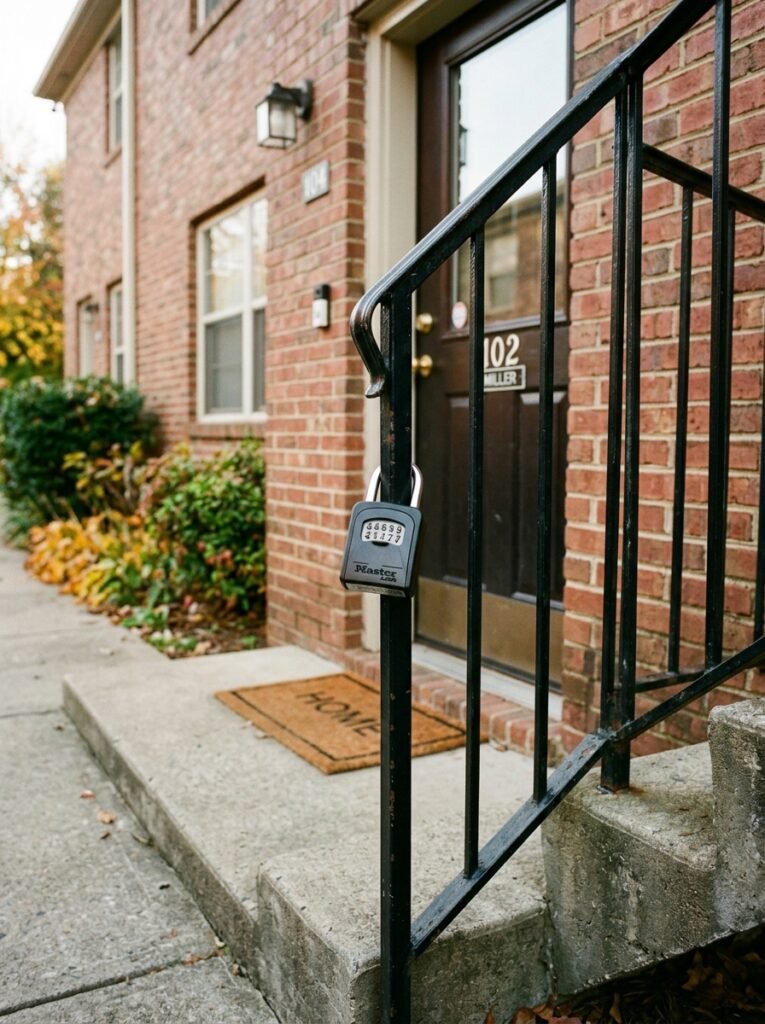
Losing a key is inevitable, but waking up a housemate at 2:00 AM to open the door causes unnecessary friction. Purchase a secure combination lockbox to hang on the door handle or a nearby fence, containing a spare apartment key. Ensure all roommates memorize the code for emergencies.
18. Enforce Kitchen Hygiene Standards
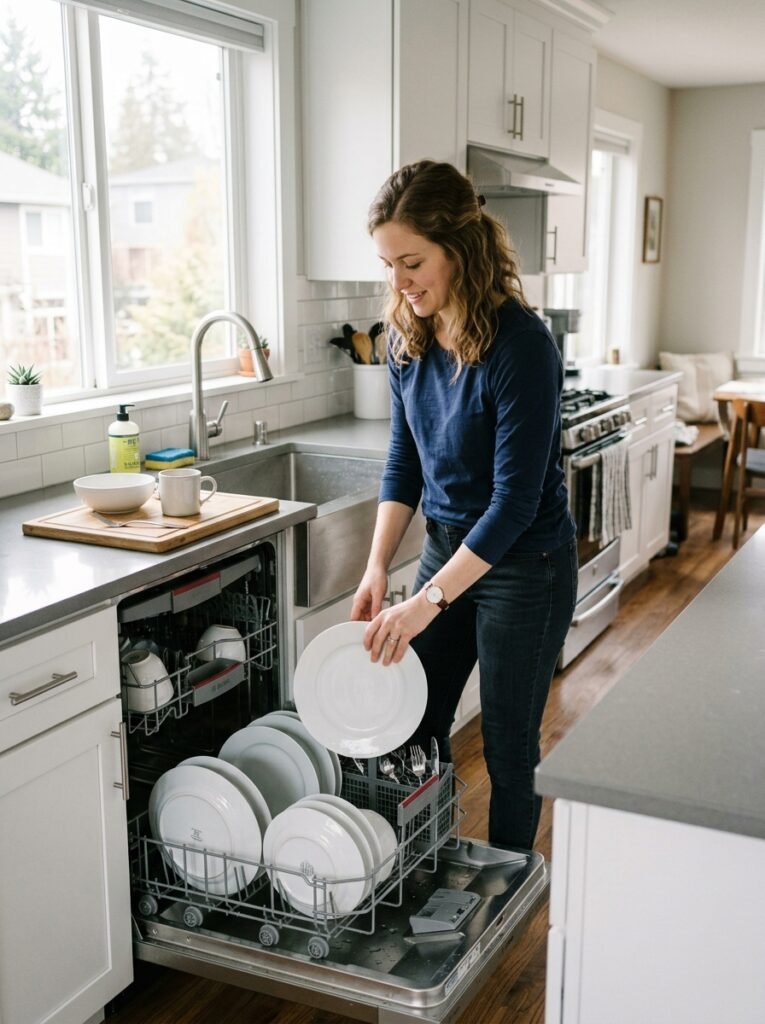
Dirty dishes pile up rapidly, attracting pests and creating resentment. Implement a strict 12-hour or 24-hour rule for washing pots, pans, and plates. Wiping down counters and sweeping crumbs should be part of a daily routine. Implementing simple cleaning habits ensures the kitchen remains functional for whoever needs to cook next.
19. Schedule Monthly Household Meetings

Effective group apartment living tips often emphasize proactive communication. Set aside 15 minutes on the first Sunday of every month to review the household ledger, discuss upcoming visitors, and address any minor maintenance issues. Treating the apartment like a small cooperative business keeps daily interactions pleasant and organized.
20. Implement Conflict Resolution Steps

Tension is unavoidable when sharing close quarters. Roommate conflict rules dictate that grievances must be addressed in person rather than through passive-aggressive text messages or sticky notes. If a dispute arises regarding cleanliness or noise, refer back to the original written agreement to resolve the issue objectively.
FAQ
How to live with 3 roommates peacefully?
Living peacefully with multiple people requires prioritizing objective rules over personal emotions. Draft a formal agreement regarding rent, chores, and quiet hours on day one. Respecting these boundaries and communicating grievances directly rather than passively is the key to maintaining a calm household.
Are roommate agreements legally binding?
A roommate agreement is generally considered a binding contract between the tenants, but your landlord will not enforce it. If a roommate violates the building’s official lease, the landlord can evict everyone. The internal agreement simply allows roommates to hold each other accountable for shared costs in a small claims court if necessary.
What should be on a basic roommate rules checklist?
A core checklist should cover rent division, utility payment deadlines, an assigned chore rotation, guest limits, quiet hours, and guidelines for sharing kitchen storage. Discussing these six topics before signing a lease prevents the most common household disputes.
How do we handle a roommate who stops doing their chores?
Refer back to the original written agreement. Address the issue during a scheduled household meeting rather than sending a frustrated text. If the chore rotation is genuinely unmanageable due to their work schedule, offer to swap tasks rather than letting the mess accumulate.
What happens if someone needs to move out early?
The departing tenant remains legally responsible for their portion of the rent until a replacement is found. The household should agree on a protocol for interviewing and approving new candidates to ensure the remaining roommates are comfortable with the incoming person.
Conclusion

Living in a shared space is an exercise in mutual respect and clear communication. By implementing these roommate house rules early, you create a structured environment where everyone understands their financial and domestic responsibilities. Taking the time to document your agreements removes ambiguity and protects your living situation from unnecessary stress. If you found these guidelines helpful for your upcoming move, please save this page as a reference or share it with your future roommates before signing your lease.

Maren started MyFirstLease after a rough first lease taught him everything the internet didn’t. He covers the logistical side of renting — move-in checklists, utilities, and the unglamorous first-week stuff nobody explains — and oversees everything published on the site.