

Splitting rent with roommates can quickly become a major source of tension if the math isn’t handled objectively before move-in day. When three individuals share a single lease for their first apartment, vague handshake deals often lead to intense disputes over money and space.
This guide covers the exact calculations and conversations needed to divide housing costs without resentment. From measuring floor plans to assigning value to parking spots, these steps establish a clear, business-like foundation for your new household finances.
Executive Summary
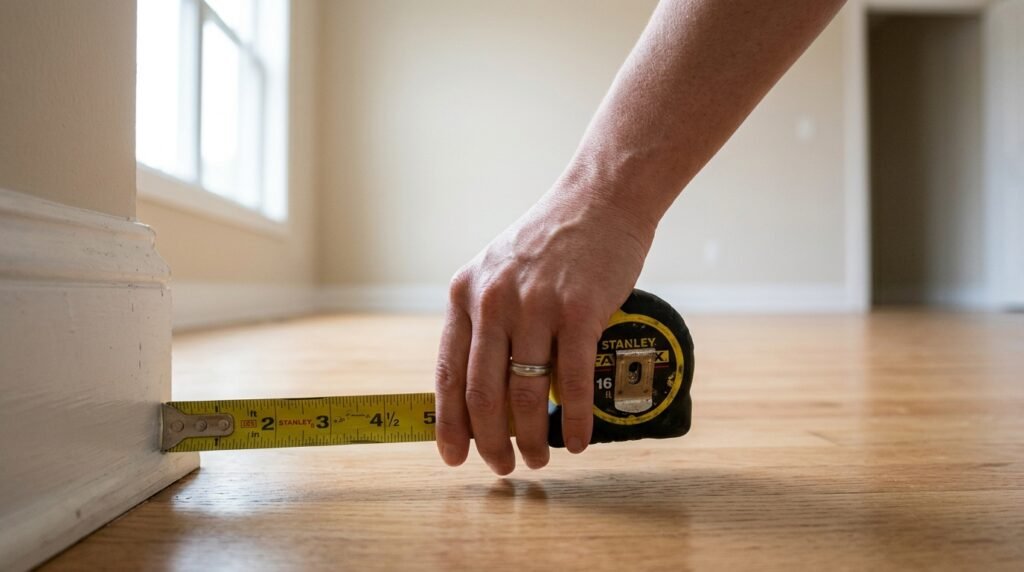
Living with strangers as roommates requires prioritizing fairness over convenience. An even three-way split rarely works unless all three bedrooms are identical in size, layout, and amenities—which is almost never the case in standard apartment floor plans.
By implementing structured roommate rent agreement tips and utilizing objective calculation methods, you remove emotion from the process. This approach ensures that the person taking the smallest room isn’t subsidizing the person who claims the master suite and private bathroom.
1. Measure by Square Footage
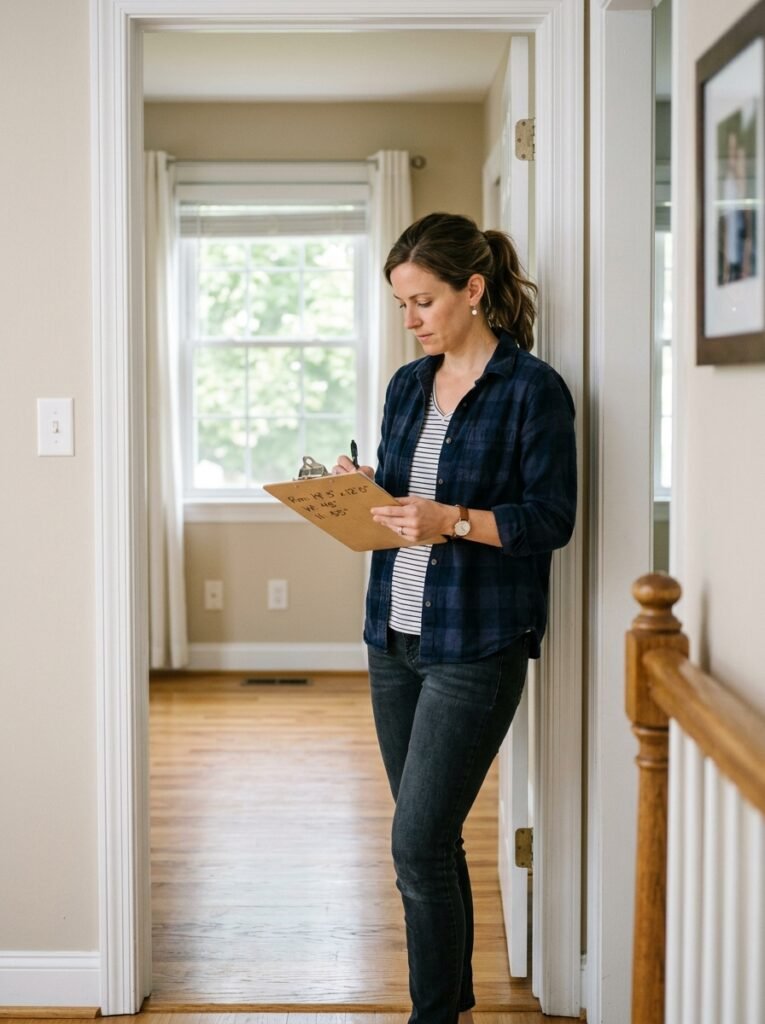
Grab a tape measure and calculate the exact dimensions of each bedroom. Rent split by room size is the most mathematically sound way to divide the base costs of a floor plan. The most common formula divides the total apartment rent into two categories: shared common space (like the kitchen and living room) and private bedroom space.
Divide the common space cost evenly three ways. Then, take the total square footage of all private bedrooms combined, find the percentage each individual bedroom represents, and apply that percentage to the private bedroom portion of the rent. This ensures everyone pays equally for the shared areas but proportionally for their private footprint.
2. Charge for Exclusive Amenities
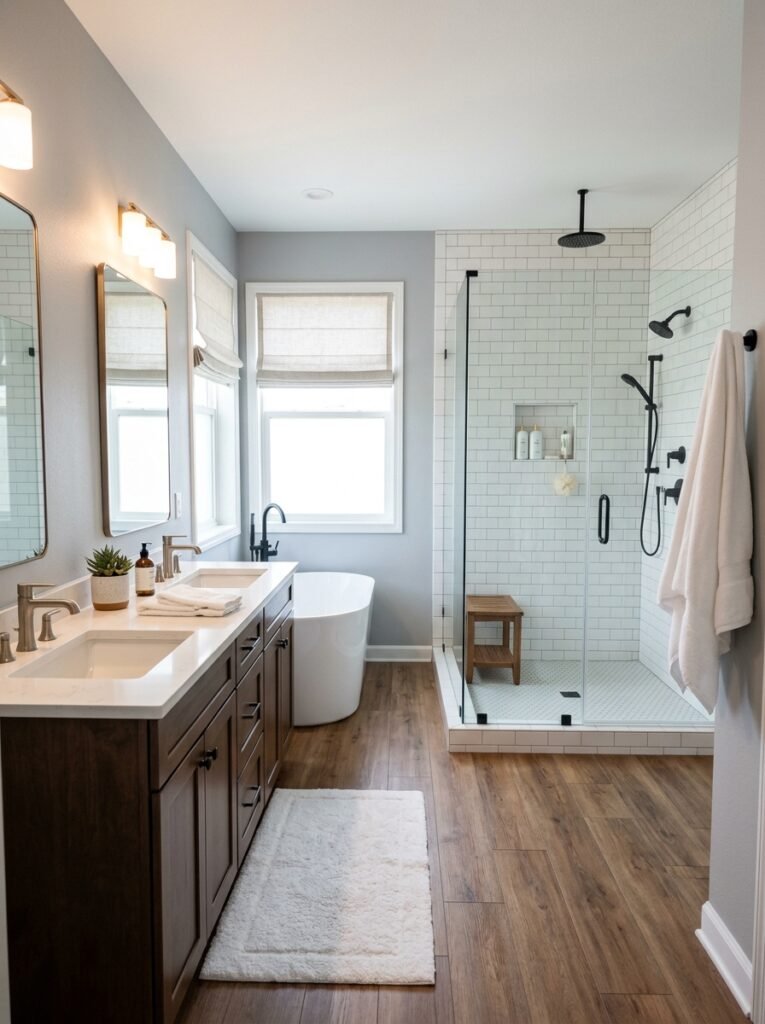
A larger floor plan isn’t the only premium feature in an apartment. Private en-suite bathrooms, walk-in closets, exclusive balconies, and dedicated covered parking spots all carry measurable financial value.
Assign a fixed monthly dollar amount to these perks before doing the final math. For example, the roommate taking the master suite with an attached bath should pay a designated premium—often between $50 and $150, depending on the total rent—on top of their square footage calculation. Identifying these perks early prevents arguments about who “gets” the best room; instead, the best room goes to whoever is willing to pay the associated premium.
3. Leverage a Digital Calculator
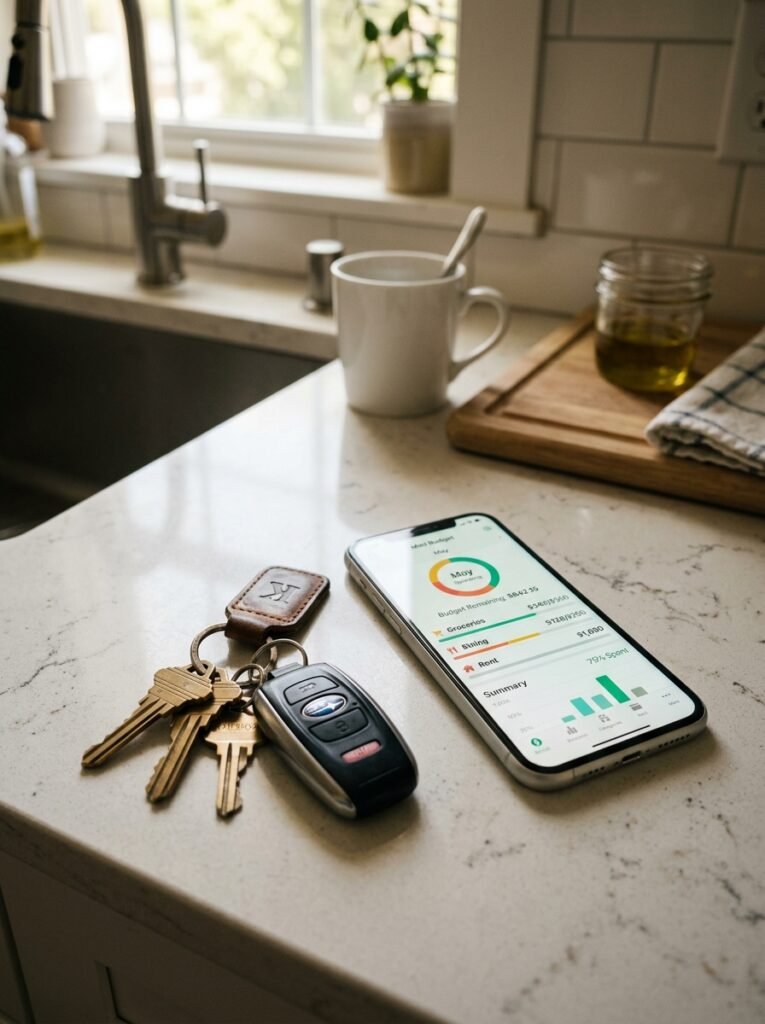
Removing human bias keeps early financial conversations professional and grounded. Plug your floor plan details, amenities, and total rent into a fair rent split calculator online.
Tools built for this exact scenario use established algorithms to suggest a breakdown based on room size and perks. Reviewing a computer-generated suggestion together gives all three people a neutral starting point. If the suggested numbers look slightly off, the group can make minor manual adjustments together rather than one person dictating the terms.

Sometimes three strangers fit into a two-bedroom unit, or two of the strangers are actually a couple. First apartment roommate rules must adapt to handle headcount versus physical space.
The Couple Dynamic
If two people share one bedroom, they should not pay exactly two-thirds of the total rent, as they only occupy one private room. However, they double the usage of the kitchen, bathrooms, and living room. A standard method for this is splitting the common area costs by headcount (three ways) and the private room costs by square footage.
Three People, Two Bedrooms
If two people share a room while the third gets a private room, the person with the private room pays a significant premium. The two sharing a room split the specific cost of their shared bedroom’s square footage, plus their individual shares of the common area.
5. Handle Utilities Separately
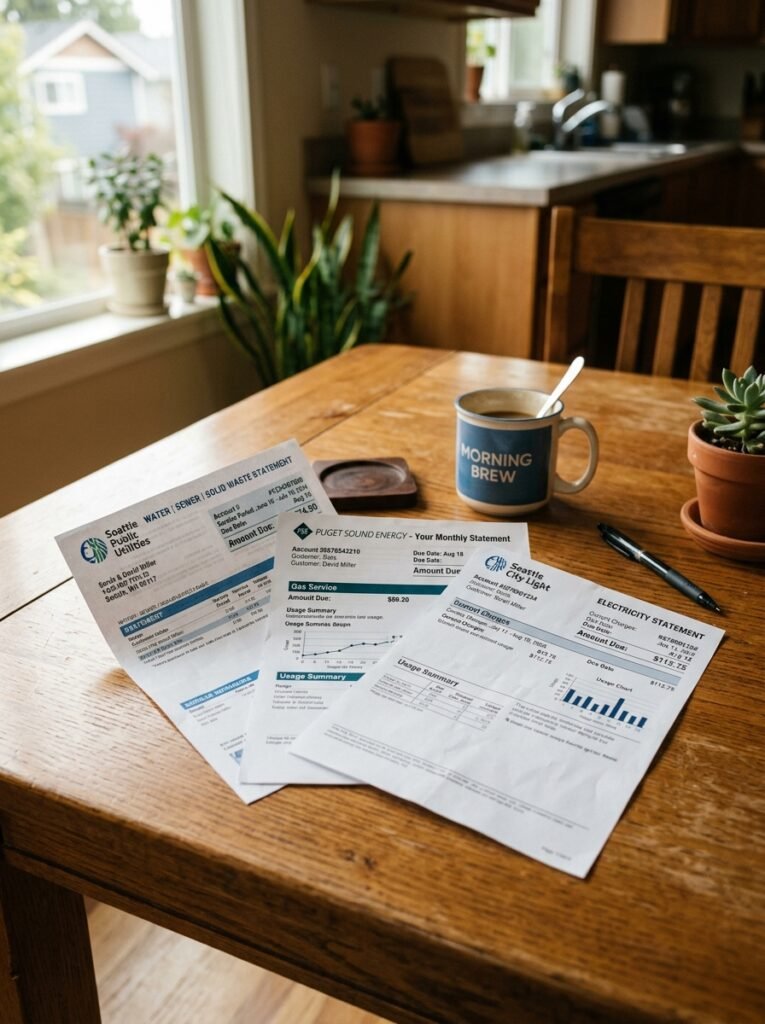
Base rent is a fixed cost; electricity, gas, and water fluctuate monthly. Do not lump utilities into the initial rent calculation.
Instead, split apartment rent strictly based on the physical space and amenities, and divide fluctuating utility bills evenly three ways. Since utilities are based on usage rather than square footage, an equal split is the industry standard. If one person requires significantly more electricity—such as running high-powered servers or keeping a private window AC unit on 24/7—the household should agree on a utility adjustment upfront.
6. Document Everything in Writing
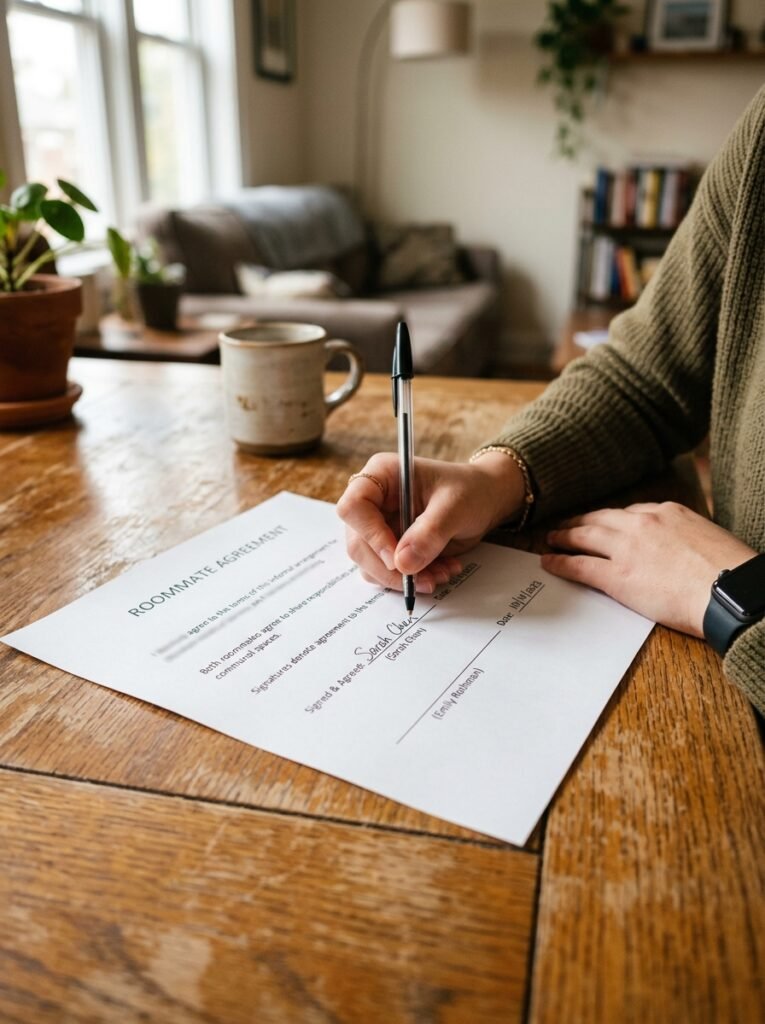
Verbal agreements hold no weight if a dispute arises six months into the lease. A crucial new roommate rent guide step is drafting an internal roommate agreement before anyone moves a single box.
Write down exactly how much each room costs, who is responsible for paying the utility accounts, and the exact date individual payments are due to the primary leaseholder. Have all three people review and sign this document. While it may not be legally binding in a courtroom, having a written record eliminates the “I thought we agreed to…” arguments later on.
7. Define the Deposit Return

The initial security deposit must be tracked just as meticulously as the monthly rent. If the deposit is equal to one month’s rent, each person should contribute the exact amount of their assigned room’s rent.
Document who paid what amount clearly. When the lease eventually ends and the landlord returns the deposit, it should be distributed in those exact same proportions—minus any damages that occurred in a specific individual’s room.
8. Establish Rules for Vacancies
Life changes rapidly, and one of the three strangers might need to break the lease early. Strict roommate money rules must dictate what happens when someone wants to move out.
Agree in writing that a departing roommate remains financially responsible for paying their share of the rent and utilities until a suitable replacement is vetted, approved by the remaining household members, and officially added to the lease. This prevents the remaining two roommates from suddenly having to cover a massive rent increase if someone leaves without notice.
FAQ
How to divide rent between 3 people? The fairest method divides the total rent into two categories: common areas and private areas. Split the common area cost evenly three ways. Divide the private area cost based on the square footage of each person’s bedroom. Add any agreed-upon premiums for private bathrooms or parking spots.
What is a fair way to split rent with a couple? When a couple shares a room with a single roommate, divide the rent so the couple pays more for the shared utility usage and common space, but not double the rent. A common model is splitting the apartment into 50% shared space (divided by three people) and 50% bedroom space (divided by the square footage occupied).
What is the golden rule for roommates? Communication and clear financial boundaries are essential. Discussing finances, overnight guests, and cleanliness standards before signing a lease prevents minor annoyances from escalating into major conflicts.
How to split rent 3 ways in a 2 bedroom? The individual with the private bedroom should pay the largest overall share of the rent. The two roommates sharing the second bedroom split the cost of that specific room, plus their individual thirds of the common area costs. Ensure all utilities are split three ways equally.
Should the person with the master bedroom pay more? Yes. A master bedroom usually includes more square footage, better closet space, and often an en-suite bathroom. This carries a tangible premium value that should result in a higher monthly rent payment compared to the standard bedrooms.
Conclusion

Figuring out the logistics of splitting rent with roommates does not have to be an awkward process if you rely on math rather than emotion. By measuring the square footage, assigning clear dollar amounts to amenities, and putting everything in a signed agreement, you establish a respectful environment from day one. Taking the time to calculate these numbers objectively protects your budget and your peace of mind. If you found these rent splitting rules useful for your upcoming move, save this page as a reference or share it with your future roommates before signing your lease.

Maren started MyFirstLease after a rough first lease taught him everything the internet didn’t. He covers the logistical side of renting — move-in checklists, utilities, and the unglamorous first-week stuff nobody explains — and oversees everything published on the site.