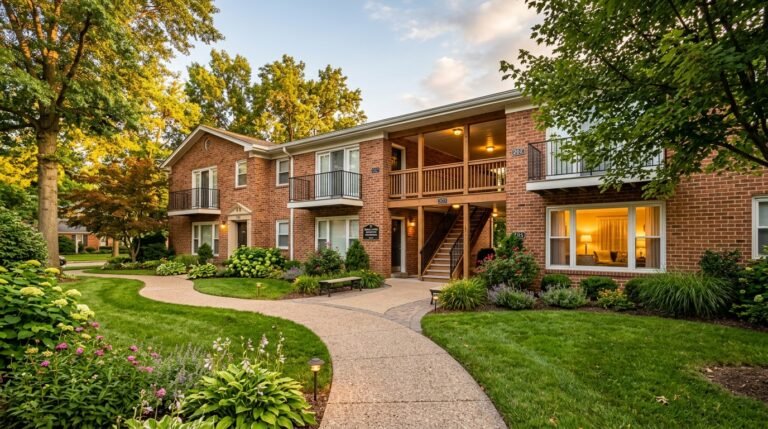

The house that once echoed with children’s laughter, hurried footsteps, and the delightful chaos of family life is now quiet. You find yourself walking past bedrooms that haven’t been slept in for months, yet you are still paying to heat, cool, and clean them. If you are feeling weighed down by home maintenance, you are not alone. Seeking out the best empty nesters downsizing tips is often the first vital step toward a more liberating lifestyle.
We know that leaving the family home is emotionally difficult. It is the place where memories were made, but the transition also opens doors to incredible freedom, reduced stress, and financial security. But what comes next? Is renting an apartment really the right move for you? We’ve put together this complete, comprehensive guide to help you navigate this massive transition. From recognizing the signs to finally packing your boxes, here is everything you need to know about downsizing to an apartment.
Quick Answer: Why Empty Nesters Downsize?
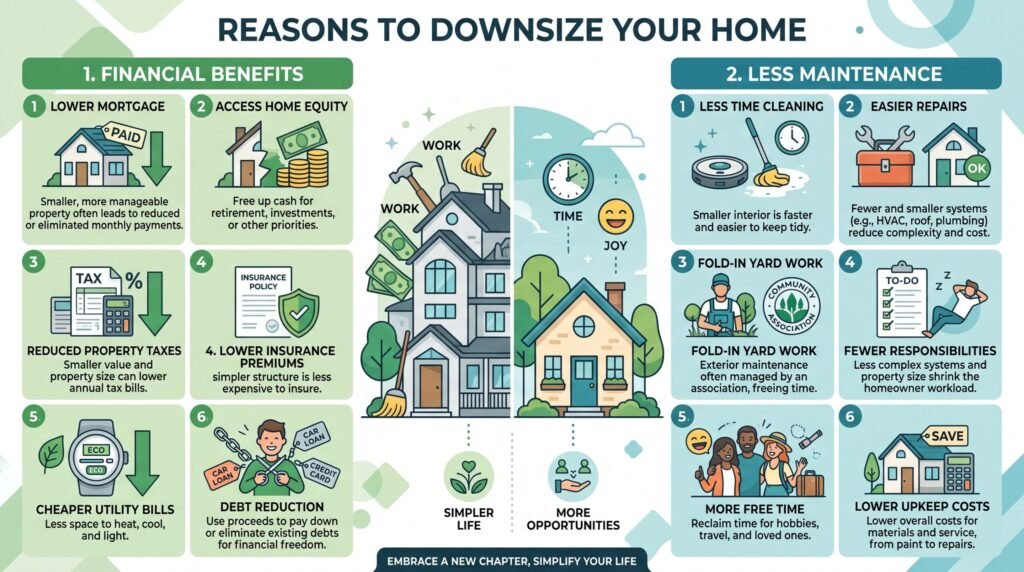
Empty nesters downsize to significantly reduce living costs, drastically lower home maintenance, improve their overall lifestyle, and better prepare for retirement. While homeownership served its purpose while raising a family, renting an apartment offers the flexibility, freedom, and financial benefits that a large suburban house no longer provides. By shedding the heavy responsibility of a massive property, parents aged 55 to 70 are finding that they have more time, energy, and resources to focus on themselves, their passions, and their future well-being.
Key Reasons Empty Nesters Make the Move:
- Financial freedom: Downsizing equates to lower monthly costs, allowing you to unlock home equity and boost your retirement nest egg.
- Less maintenance: No more unexpected roof repairs, shoveling snow in freezing weather, or spending weekends mowing the lawn.
- Better location: Renting allows you to easily move closer to family, top-tier healthcare, or your favorite cultural and recreational activities.
- Simplify life: Moving forces you to keep less stuff, which naturally leads to a cleaner, more organized space and much less daily stress.
- Prepare for retirement: Fewer housing expenses mean more savings, a predictable monthly budget, and significantly less financial worry as you age.
Signs It’s Time to Downsize

Recognizing when it is time to move isn’t always a purely financial decision; often, it is a profoundly emotional and practical one. If you have spent the last year wondering if your current house is still serving your actual needs, you are already experiencing the initial push toward downsizing. For many empty nesters, the signs are subtle at first. You might notice the dusting takes twice as long, or the utility bills feel inexplicably high for a house occupied by only one or two people. Over time, the house can start to feel like an anchor rather than a sanctuary.
Below are the top five unmistakable signs that transitioning from a large house to a more manageable apartment is the right step for your lifestyle.
| Sign | Description |
| 1. Empty rooms | You have multiple bedrooms or living areas that are never used except for collecting dust or acting as overflow storage for forgotten items. |
| 2. High maintenance costs | Constant repairs, soaring utility bills, and ever-increasing property taxes are rapidly eating away at your hard-earned retirement budget. |
| 3. Feeling overwhelmed | The physical and mental toll of maintaining the house is simply too much work; your weekends are spent on grueling chores rather than relaxation. |
| 4. Financial strain | The exorbitant, unpredictable costs associated with homeownership are actively preventing you from saving for retirement, investing, or traveling. |
| 5. Desire for change | You are mentally and emotionally ready for a new chapter in a fresh, vibrant environment that better suits the pace and priorities of your current life. |
Benefits of Downsizing to an Apartment

Making the leap from a sprawling family home to a streamlined apartment might seem daunting at first, but the advantages are life-changing. Downsizing from a house to an apartment isn’t just about losing square footage; it is about gaining a much higher quality of life. The benefits span across your finances, your daily schedule, and your long-term physical well-being.
Financial Benefits
The economic advantages of apartment living are often the strongest motivator for empty nesters. Renting offers highly predictable monthly expenses, shielding you from the sudden financial shocks that come with homeownership.
- Lower monthly costs: Rent is often much cheaper than a combined mortgage, property taxes, and maintenance budget.
- No property taxes: Say goodbye to writing massive checks to your local municipality every year.
- No maintenance or repair costs: If the water heater breaks or the roof leaks, it’s the landlord’s financial responsibility, not yours.
- Lower utility bills: A smaller square footage naturally requires significantly less electricity, gas, and water to heat and cool.
- Cheaper insurance: Renter’s insurance is drastically less expensive than comprehensive homeowner’s insurance policies.
Lifestyle Benefits
What could you accomplish if you didn’t have to spend your Saturdays cleaning gutters or pulling weeds? Apartment living returns your most valuable asset: time.
- More free time: With absolutely no yard work and no home repairs to manage, your schedule is finally your own.
- Freedom to travel: The “lock and leave” lifestyle means you can go on a month-long vacation without worrying about the house.
- Community amenities: Many modern apartments offer resort-style perks like heated pools, fitness centers, and organized social events.
- Opportunities to meet new people: Apartment living inherently fosters a sense of community, making it easy to connect with neighbors in similar life stages.
Health & Accessibility Benefits
As you look toward the next twenty to thirty years, considering your physical comfort and mobility is crucial. Apartments are often designed with accessibility at the forefront, giving you peace of mind as you age.
- Single-story living: With no stairs to climb on a daily basis, the risk of falls and joint strain is virtually eliminated.
- Elevators and accessible features: Modern apartment complexes boast elevators, well-lit hallways, and secure, flat entryways.
- Less cleaning and upkeep: A smaller space means much less physical exertion required to keep your home tidy and comfortable.
- Walkable communities: Many apartments are strategically located near parks, cafes, and shops, encouraging a healthy, active, walking lifestyle.
Financial Benefits of Renting as an Empty Nester
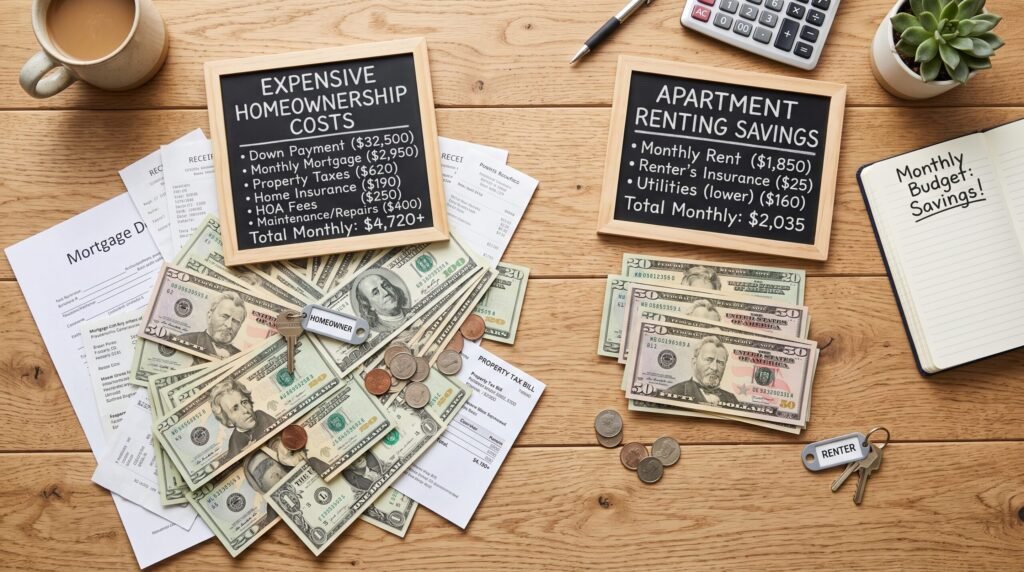
When evaluating the pros and cons of downsizing, the math often speaks for itself. Many homeowners underestimate exactly how much they spend on “invisible” costs like property taxes, homeowner’s insurance, preventative maintenance, and emergency repairs. While paying rent might initially feel like a step backward to someone who has owned a home for decades, the reality is that renting provides profound financial relief. Renting is often better than owning for empty nesters simply because it eliminates the financial volatility of maintaining an aging property.
By cashing out the equity in your home, you can invest those funds to generate passive income while simultaneously drastically lowering your annual housing expenses. To illustrate the profound financial impact, let’s look at a typical annual cost comparison between owning a mid-sized family home and renting a luxury apartment.
Cost Comparison Table: Homeownership vs. Renting
| Expense | Homeownership (Annual) | Renting (Annual) | Savings |
| Housing Payment | $18,000 | $18,000 | $0 |
| Property Taxes | $4,500 | $0 | $4,500 |
| Maintenance/Repairs | $3,000 | $0 | $3,000 |
| Insurance | $1,200 | $180 | $1,020 |
| Utilities | $3,600 | $2,400 | $1,200 |
| Total | $30,300 | $20,580 | $9,720 |
Key Takeaway: Renting can easily save you $500 to $1,000+ per month. That is nearly $10,000 a year in pure savings—money that can go directly toward travel, pursuing new hobbies, spoiling your grandchildren, or padding your retirement savings accounts for long-term security.
How to Choose the Right Apartment
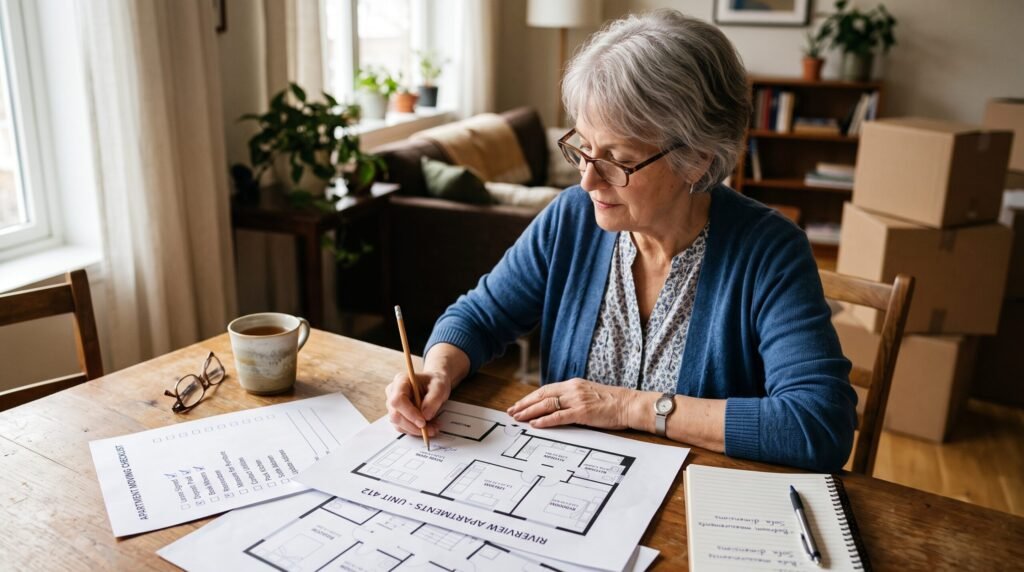
Once you have made the decision to downsize, the next hurdle is finding the perfect place to live. Not all apartments are created equal, and as an empty nester, your priorities are vastly different than they were in your twenties. You no longer need to worry about the quality of the local school district, but you do need to think about convenience, safety, and comfort.
Finding the right housing options for empty nesters requires patience and a clear checklist of non-negotiable features. Take the time to tour multiple properties, speak with current residents, and carefully
evaluate the neighborhood at different times of the day.
| Factor | What to Consider |
| Location | Evaluate the proximity to family members, high-quality healthcare, grocery shopping, and your preferred leisure activities. |
| Size | Look for a right-sized space—not too big to maintain, but not too small. Ensure there is enough room for your favorite furniture and a guest bed. |
| Accessibility | Prioritize single-story layouts, reliable elevators, safe grab bars in bathrooms, and wide doorways to future-proof your living situation. |
| Amenities | Determine if the community offers lifestyle enhancements you will actually use, such as a pool, gym, walking paths, or hosted community events. |
| Pet Policy | If you have pets, strictly check breed and weight restrictions, as well as the availability of on-site dog parks or pet washing stations. |
| Lease Terms | Review the lease for flexibility. Look for terms that allow for future moves without exorbitant penalty fees if your circumstances change. |
| Budget | Ensure the total monthly rent, parking fees, and amenity costs fit comfortably within your fixed or projected retirement budget. |
(For comprehensive guidelines on home accessibility features as you age, reputable organizations like AARP offer fantastic, detailed resources for older adults planning their next move).
Emotional Aspects of Downsizing

We cannot talk about moving without addressing how to cope with downsizing your home on an emotional level. Your house is more than just drywall and wood; it is the backdrop to decades of family history. The marks on the doorframe charting your children’s growth, the kitchen where countless holiday meals were prepared, and the garden you planted with your own hands—leaving these behind is undeniably painful.
It is completely normal to experience a grieving process when you decide to sell the family home. Below are the most common emotions you may face, along with practical strategies to help you process them and embrace the future.
Common Emotions You May Experience:
- Sadness: Grieving the process of leaving the home where you lovingly raised your children.
- Fear: Anxiety regarding the sudden change of environment and stepping into the unknown.
- Overwhelm: The sheer mental paralysis of having to sort through decades of accumulated possessions.
- Relief: A quiet, joyful lifting of burdens once the home maintenance and expenses are gone.
Coping Strategies for an Emotional Move
| Strategy | How to Do It |
| Acknowledge your feelings | It is entirely okay to feel sad or cry. This is a massive life change; do not try to suppress your natural emotional responses. |
| Focus on the positive | Actively think of the newfound freedom, the extra disposable income, and the exciting opportunities that lie ahead. |
| Take it slowly | Do not rush the sorting process. Give yourself ample time to sit with memories, look at photos, and process the transition. |
| Involve your family | Share memories with your children. Ask for their help in packing, and let them choose which family heirlooms they want to keep. |
| Create new traditions | Start fresh with new rituals in your apartment—like hosting a Sunday brunch, starting a balcony garden, or having movie nights. |
Step-by-Step Downsizing Plan
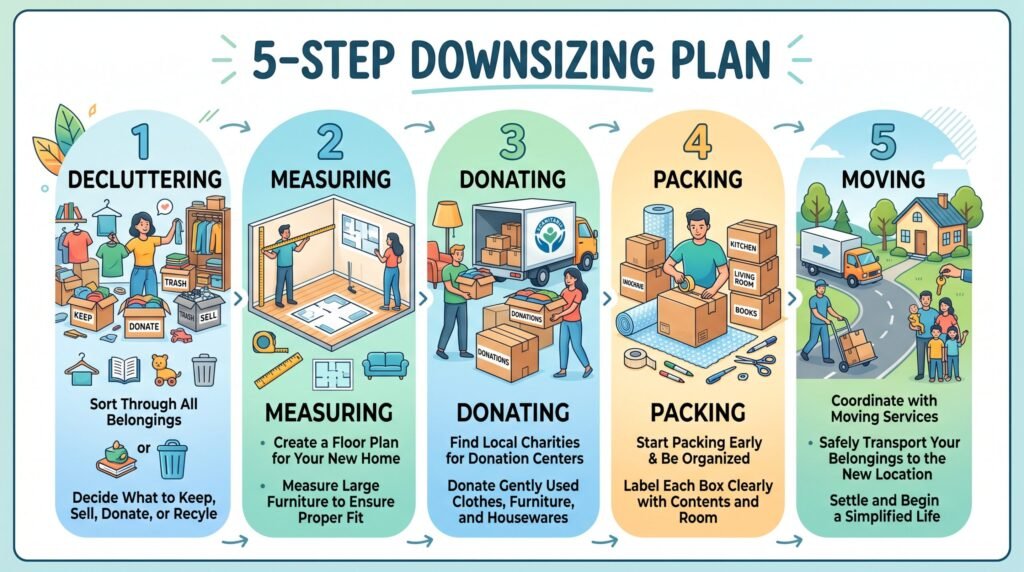
A beginner’s guide to downsizing must center on one golden rule: organization. Attempting to pack a four-bedroom house in a single weekend is a recipe for disaster and extreme anxiety. The key to a smooth transition is breaking the monumental task into small, manageable phases. By following this step-by-step plan, you can maintain your sanity and protect your physical health throughout the moving process.
Step 1: Declutter
The most time-consuming part of downsizing is deciding what stays and what goes.
- Start early: Begin the decluttering process at least 3 to 6 months before your intended moving date.
- Sort systematically: Use the four-box method in every room. Sort items strictly into: Keep, Donate, Sell, and Trash.
- Be rigorously honest: Ask yourself if you actually use the item. If you haven’t used that bread maker in five years, it does not belong in your new apartment.
Step 2: Measure Your New Space
You cannot take everything with you, and guessing what will fit usually ends in frustration.
- Get floor plans: Request accurate, to-scale floor plans of your new apartment from the property manager.
- Measure furniture: Measure the length, width, and height of the furniture you want to keep to see what realistically fits in the new layout.
- Purge the excess: Sell or donate the oversized dining tables or massive sectional sofas that simply will not fit through the new doors or into the smaller rooms.
Step 3: Donate and Sell
Turning your unwanted clutter into cash (or a good deed) makes letting go much easier.
- Sell valuable items: Utilize platforms like Facebook Marketplace, Craigslist, or local estate sale companies to sell high-value furniture, tools, and antiques.
- Donate to charities: Box up gently used clothes, books, and household goods and take them to Goodwill, the Salvation Army, or a local women’s shelter.
- Pass items to family: Give your children the family heirlooms, photo albums, and sentimental pieces they have always admired.
Step 4: Pack Smart
Packing efficiently will save you endless headaches on moving day.
- Pack by room: Never mix items from different rooms in the same box. Keep the kitchen with the kitchen, and the bedroom with the bedroom.
- Label boxes clearly: Use bold markers to label the top and sides of every box with its contents and the room it belongs in.
- Create an essentials box: Keep a separate box with your first-week essentials (medications, toiletries, a few changes of clothes, coffee maker, and basic tools).
Step 5: Move In
Arriving at your new apartment is just the beginning. Now it is time to make it yours.
- Set up important rooms first: Prioritize assembling your bed and unpacking the bathroom so you have a comfortable place to sleep and shower on the very first night.
- Take time arranging: Don’t feel pressured to unpack every single box immediately. Take your time to thoughtfully arrange your new space.
- Make it feel like home: Hang your favorite art, display cherished family photos, and lay down cozy rugs to instantly inject warmth into the apartment.
Common Mistakes to Avoid

Even the most well-intentioned empty nesters can stumble during the downsizing process. Because it is an emotional time, logic can sometimes take a back seat. By being aware of these common pitfalls, you can save yourself time, money, and immense frustration.
| Mistake | Why It’s a Problem |
| Keeping too much stuff | Bringing excess clutter makes the physical move harder, more expensive, and causes your new, smaller space to feel incredibly cramped and claustrophobic. |
| Not measuring furniture | Arriving on moving day only to discover your beloved sofa won’t fit through the apartment door or swallows the entire living room is a costly, stressful nightmare. |
| Underestimating costs | Assuming the move will be cheap is dangerous. Hiring movers, buying packing supplies, and covering apartment deposit fees quickly add up; you must budget appropriately. |
| Rushing the process | Waiting until the last minute to pack is deeply stressful, physically exhausting, and often leads to poor, hasty decisions about what to keep and what to toss. |
| Ignoring location | Choosing a cheaper apartment that is far away from your family, trusted doctors, or social groups can lead to isolation and regret in your retirement years. |
Frequently Asked Questions (FAQ)
What are empty nesters downsizing tips?
The best tips revolve around preparation. Start the decluttering process as early as possible—ideally six months out. Sort items ruthlessly, measure your new space before deciding what furniture to keep, and give yourself grace to take it slowly. The more time you give yourself, the less overwhelmed you will feel.
How do you downsize from a house to an apartment?
Downsizing from a house to an apartment is a multi-step process. First, declutter heavily by getting rid of unused items. Second, measure your new apartment’s floor plan against your current furniture. Third, donate or sell everything that won’t fit. Finally, pack systematically and hire professional movers who specialize in senior or downsizing relocations.
What are the pros and cons of downsizing?
The pros of downsizing include significantly lower monthly housing costs, zero exterior maintenance, cheaper utility bills, and more freedom to travel. The cons include having less physical space for hosting large family gatherings, fewer storage areas, and the heavy emotional challenge of leaving the cherished family home behind.
How to cope with downsizing your home?
To cope with the emotional weight of downsizing, you must first acknowledge your feelings of sadness and grief without judgment. Involve your family in the packing process so you can share memories together. Most importantly, actively focus on the positive aspects of the move—like having more free time, less financial stress, and the opportunity to build new traditions.
What should I consider when downsizing?
Before signing a lease, carefully consider the apartment’s location and its proximity to your support network and healthcare. You also need to consider the size of the space, the monthly budget, the physical accessibility of the building (like elevators and single-story layouts), and whether you are genuinely emotionally ready for the transition.
How much can I save by downsizing?
While savings vary by region and lifestyle, most empty nesters can easily save between $500 and $1,000+ per month on housing costs alone. By eliminating property taxes, massive utility bills, and expensive home repairs, you can redirect thousands of dollars a year into your retirement or travel funds.
What is a beginner’s guide to downsizing?
A beginner’s guide to downsizing starts with accepting that you cannot take everything with you. Begin by decluttering one small room (or even one closet) at a time. Measure your future space, donate or sell excess belongings, and pack systematically. The ultimate goal is to simplify your life, not to replicate your old house in a smaller footprint.
What are housing options for empty nesters?
Empty nesters have an abundance of wonderful housing options. Beyond standard luxury apartments, you might consider 55+ senior living communities, condominiums, townhouses, or simply purchasing a much smaller, single-story ranch home. Renting an apartment, however, remains the most flexible and maintenance-free option.
Is renting better than owning for empty nesters?
Often, yes. Renting is frequently better than owning for empty nesters because it provides unmatched flexibility, requires absolutely zero maintenance, and eliminates surprise expenses like a broken furnace or a leaking roof. It allows you to lock your door and go on vacation without a second thought.
What should I do with my family home?
You have three primary options: sell it to cash out your equity and pad your retirement, rent it out to generate a steady stream of passive monthly income, or pass it down to your adult children if they are looking to buy a home and it makes financial sense for your family.
Conclusion
Downsizing to an apartment as an empty nester is undeniably a major life change, but it’s also a brilliantly exciting opportunity. By leaving behind the heavy burdens of an oversized house, you are opening the door to unmatched financial freedom, less daily stress, and a beautiful fresh start. Start the process early, declutter carefully, and focus entirely on the incredible future possibilities rather than what you are leaving behind.
Final Tip: This is your time to rediscover yourself outside of the demands of raising a family and maintaining a massive property. Embrace the change, decorate your new space with joy, and look forward to the wonderful new adventures ahead!

Maren started MyFirstLease after a rough first lease taught him everything the internet didn’t. He covers the logistical side of renting — move-in checklists, utilities, and the unglamorous first-week stuff nobody explains — and oversees everything published on the site.