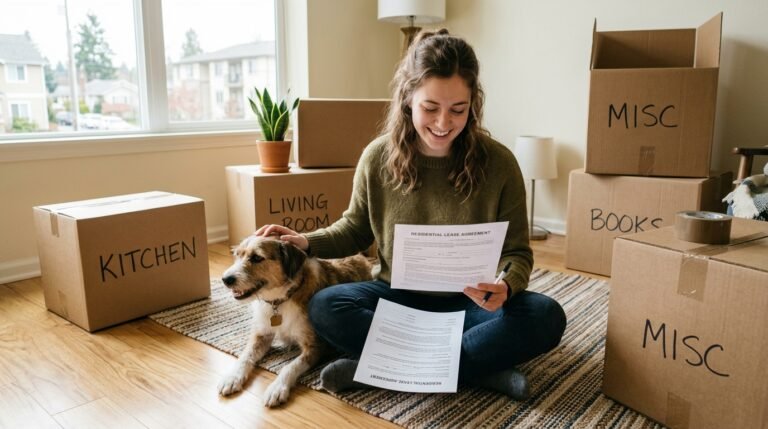
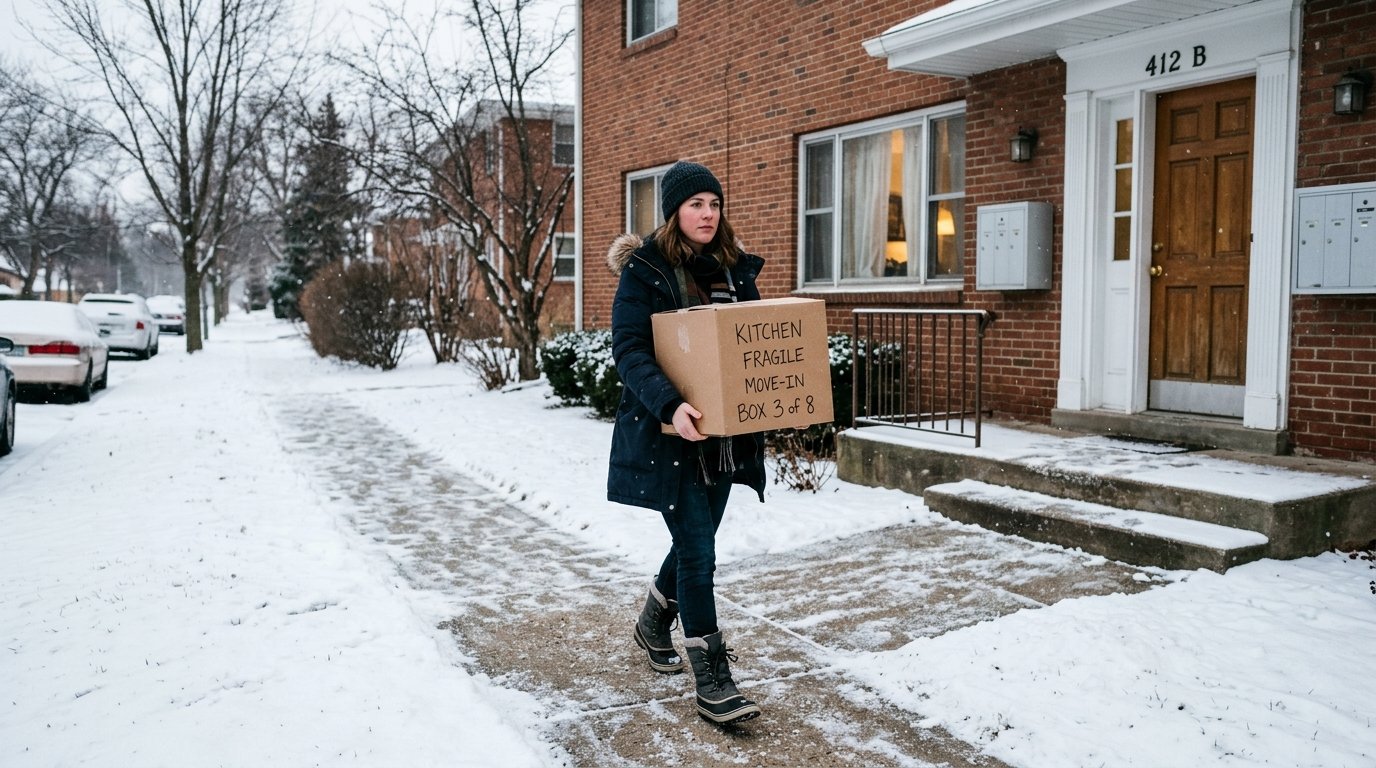
Reliable winter moving tips are essential when transitioning into a new living space during the coldest months of the year. Ice, freezing temperatures, and unpredictable snow squalls add serious logistical hurdles to an already stressful process.
Navigating this transition requires strict planning and an understanding of how cold weather impacts everything from utility activation to fragile household goods. By preparing for the specific challenges of a cold-weather move, you reduce the risk of property damage and ensure your new home is habitable on day one.
Executive Summary
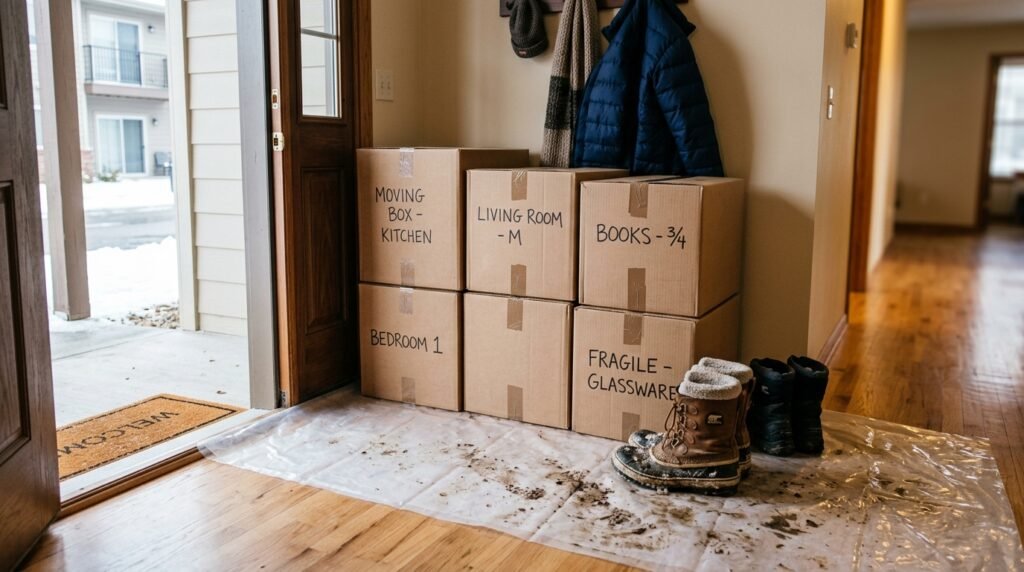
Relocating during the winter months requires a completely different strategy than a summer move. Dropping temperatures can damage electronics, freeze indoor plants, and make plastic storage bins dangerously brittle. Additionally, tracking snow and rock salt through a new rental unit can severely damage hardwood floors and carpets before you even unpack.
This guide outlines exactly how to coordinate a winter move safely and efficiently. It covers crucial steps like verifying utility schedules, staging boxes to prevent heat loss, and packing fragile items to withstand freezing temperatures. Following these practical protocols ensures that moving out for the first time remains a smooth, organized process despite the weather.
1. Verify Utility Activation
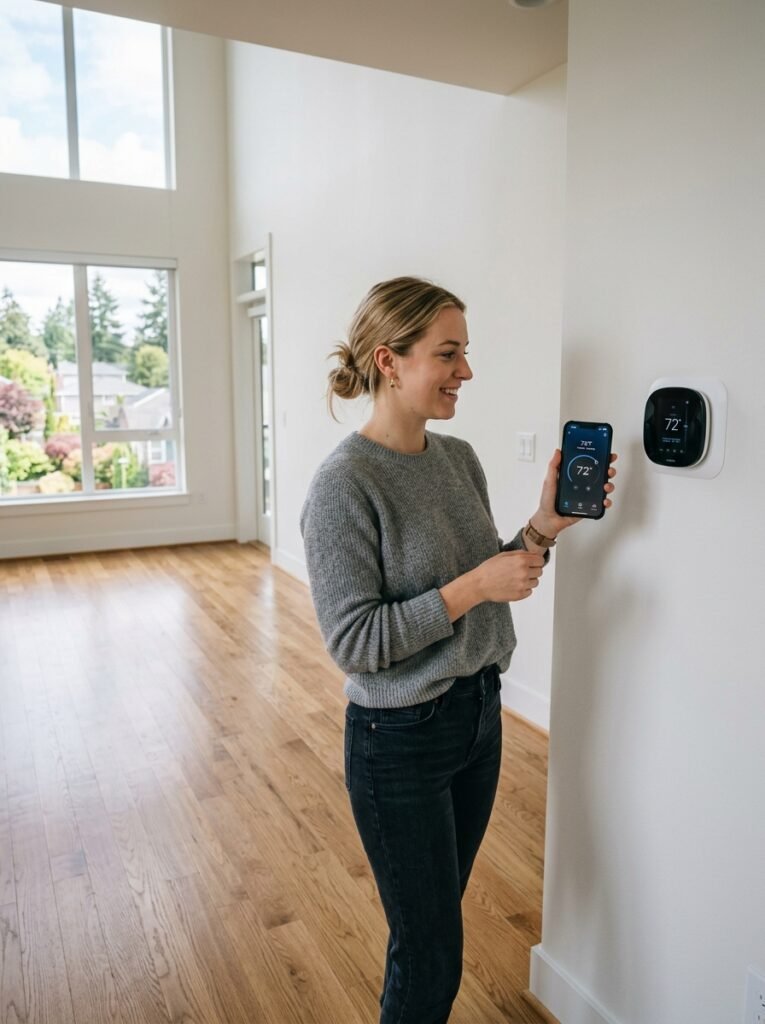
Gas and electric services must be active before you arrive with a moving truck. Without heat, pipes can freeze and the apartment will be dangerously cold while you unload. Contact your utility providers at least two weeks in advance to schedule activation for the day before your lease begins. Call them again 48 hours before the move to confirm the appointment hasn’t been delayed by winter weather events.
2. Clear Ice and Snow
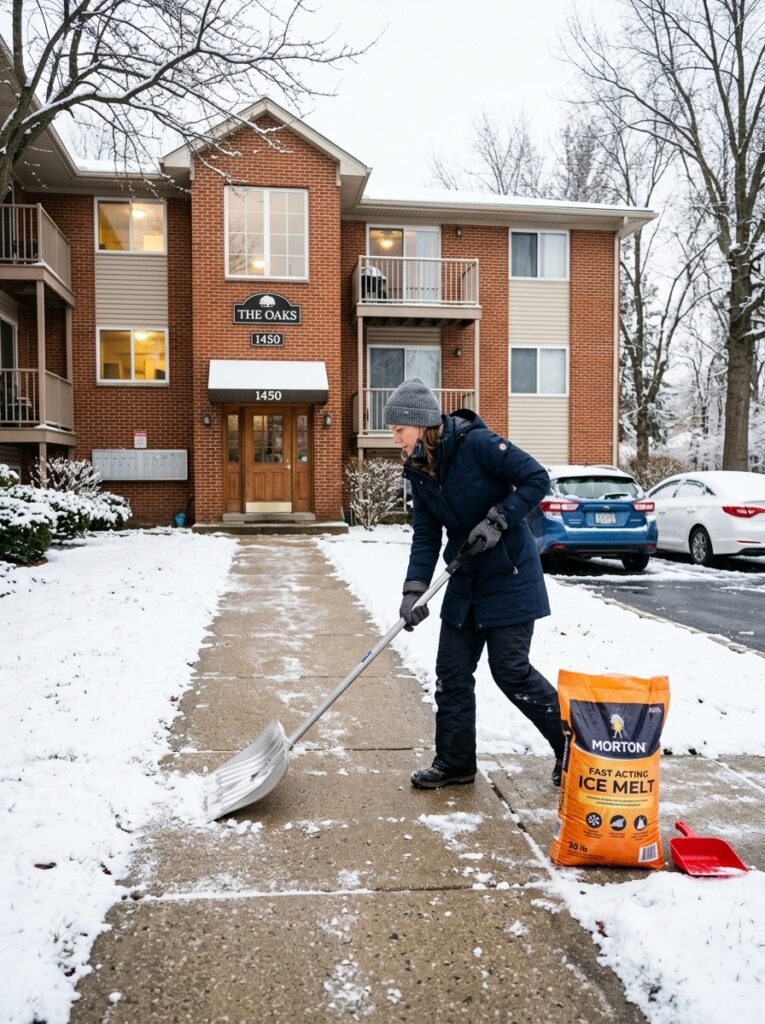
Landlords are generally responsible for clearing community walkways, but verifying this on move-in day is critical. Bring a heavy-duty snow shovel and a bag of calcium chloride ice melt to clear the driveway, the main walkway, and the exterior steps leading to your unit. A clear, salted path drastically reduces the risk of slipping while carrying heavy furniture.
3. Protect Interior Floors
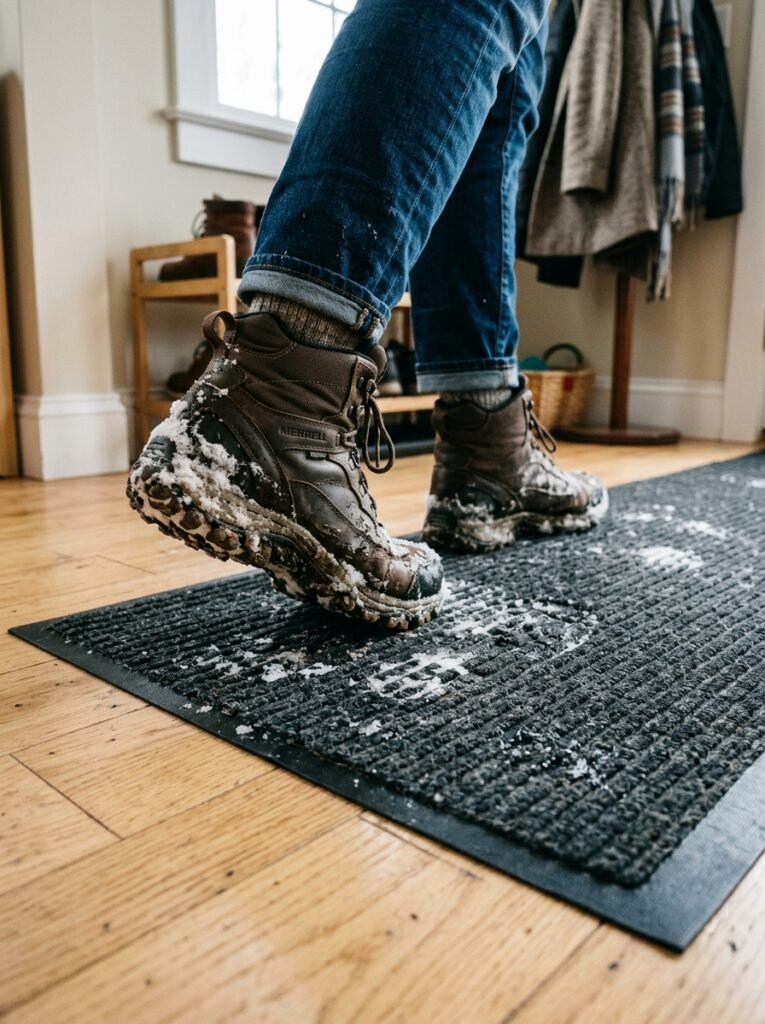
Moving in the snow guarantees that slush, mud, and corrosive rock salt will enter the apartment. Cardboard breaks down quickly when wet, creating a slippery hazard. Instead, lay down heavy-duty plastic drop cloths or textured moving blankets in the main entryway and along the primary walking paths. Establishing these protective barriers upfront makes applying simple cleaning tips much easier once the move is complete.
4. Dress in Strategic Layers
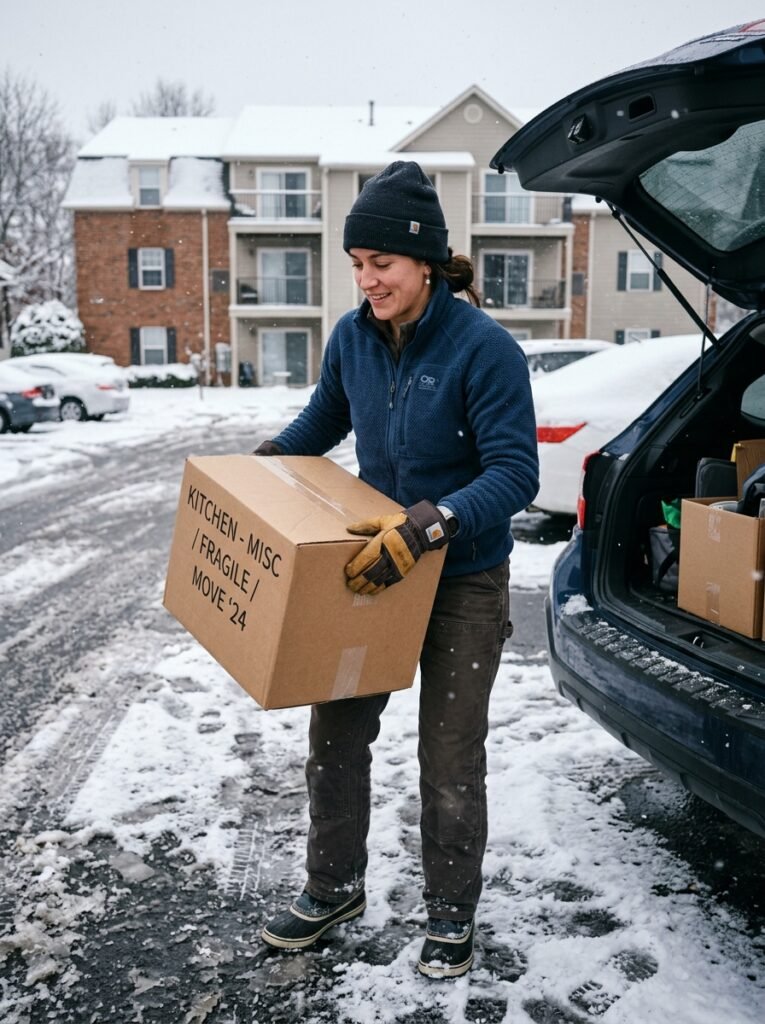
Heavy winter coats restrict mobility and cause overheating during intense physical exertion. Wear a moisture-wicking base layer (like merino wool or synthetic athletic wear), a breathable fleece mid-layer, and a waterproof shell jacket. This combination allows you to shed layers quickly as you warm up from carrying boxes, while still protecting you from wind and snow outdoors.
5. Acclimate Cold Electronics
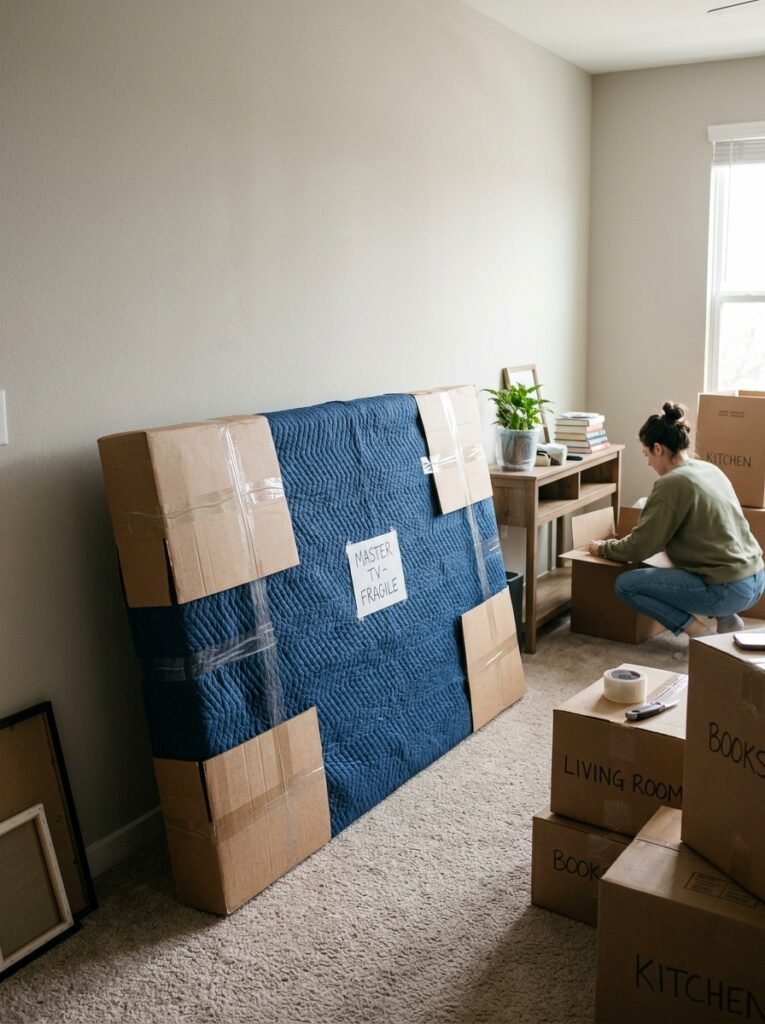
Televisions, computers, and kitchen appliances can sustain severe damage if exposed to sudden temperature changes. When moving cold electronics into a heated apartment, condensation often forms on internal circuit boards. Allow all electronics to sit in their boxes inside the warm apartment for at least 24 hours to reach room temperature before plugging them in.
6. Adjust Packing Materials
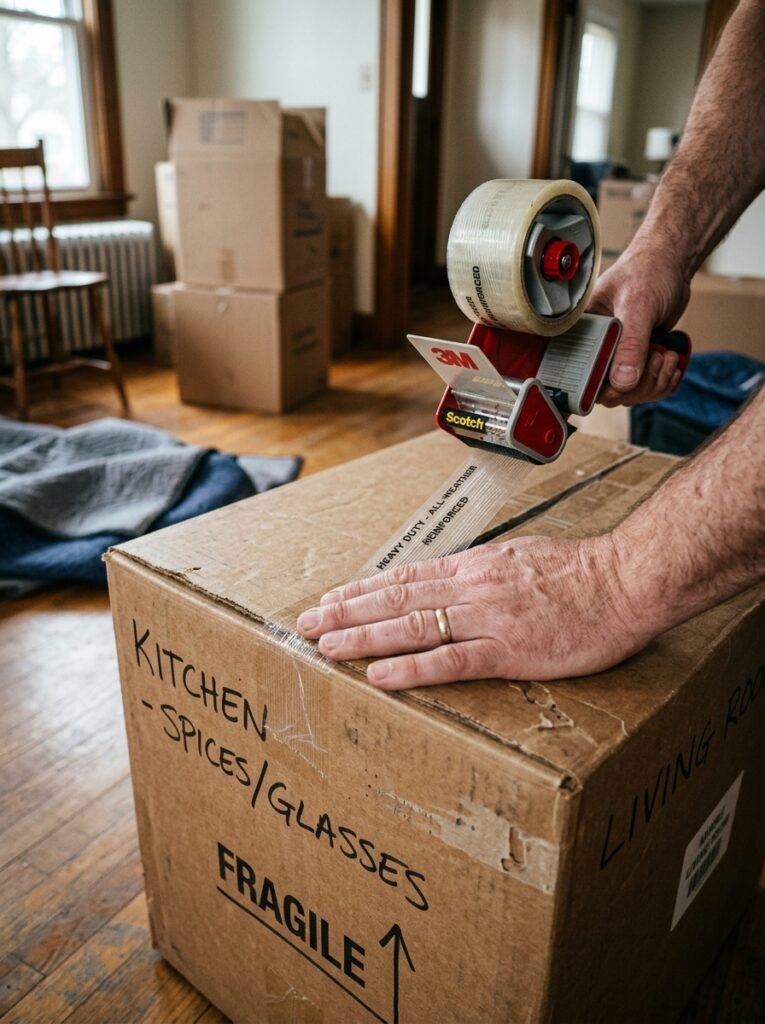
Extreme cold alters how common packing materials behave. Plastic storage bins become highly brittle and can shatter if dropped on frozen pavement. Standard packing tape often loses its adhesive properties below freezing. Use heavy-duty cardboard boxes reinforced with temperature-resistant shipping tape, and double-wrap fragile items in paper rather than relying solely on plastic bubble wrap, which can stiffen in the cold.
7. Pack a Winter Survival Box
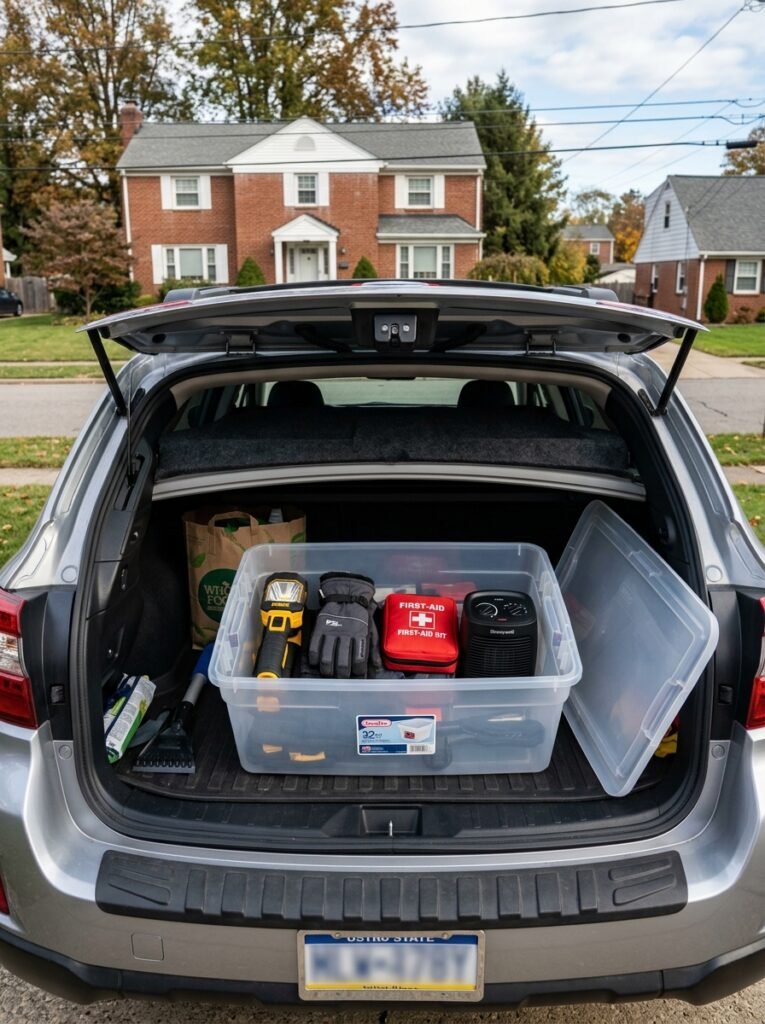
When figuring out how to pack for a winter move, designate one clear, easily accessible bin for immediate winter necessities. This box should travel in your personal vehicle, not the moving truck. Include flashlights, a first-aid kit, extra winter gloves, dry socks, toilet paper, bottled water, a snow scraper, and a small space heater.
8. Monitor Weather Forecasts
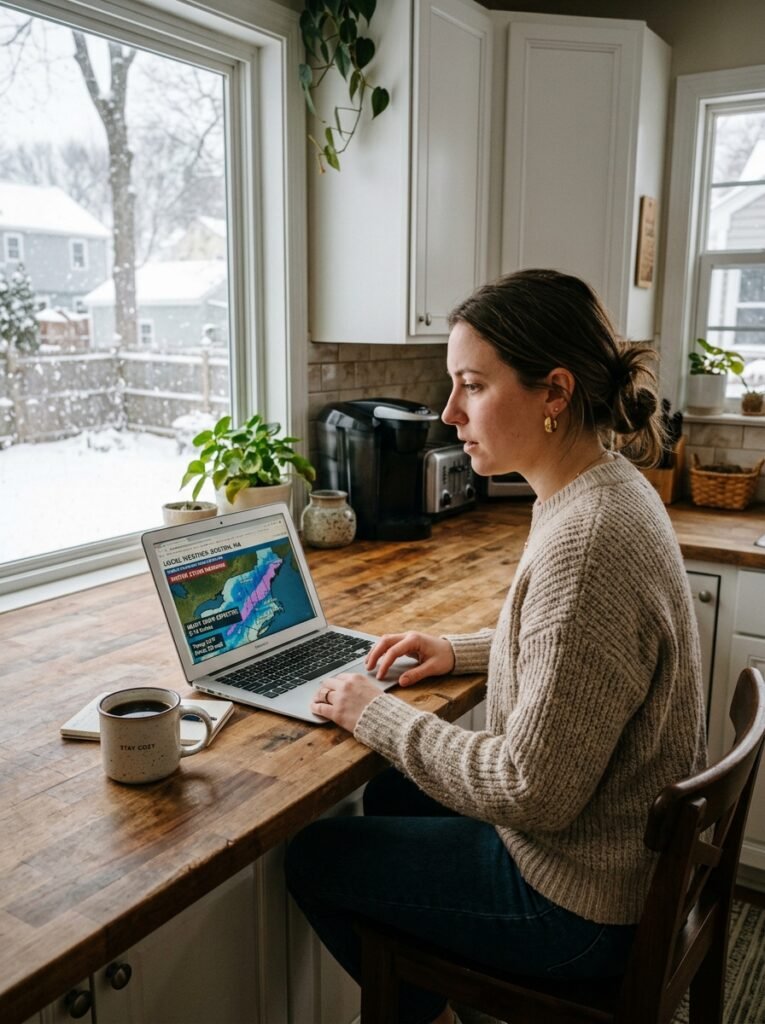
January moving tips always center on flexibility. Track local weather patterns diligently in the week leading up to your lease start date. If a major blizzard or ice storm is predicted, it is vastly safer to delay the move by 24 hours. Speak with your property manager and moving truck rental agency early to understand their rescheduling policies for severe weather.
9. Stage Boxes Strategically
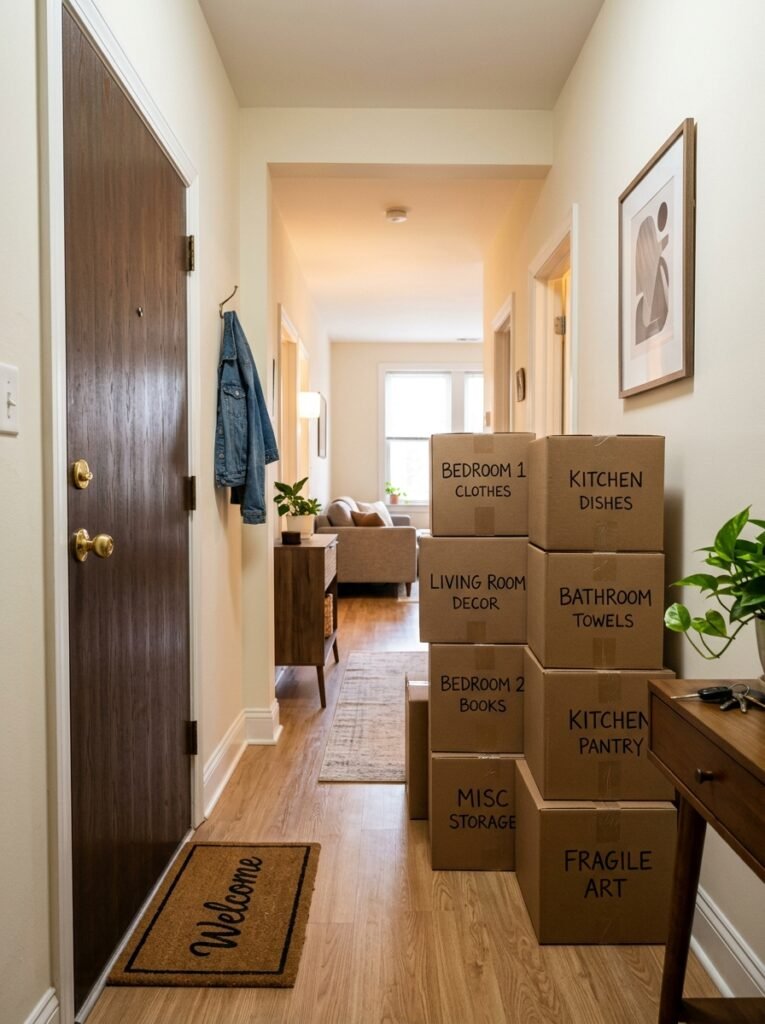
Leaving the front door wide open while carrying items individually drains the apartment’s heat and drives up your first utility bill. Instead, establish a staging area. Bring a batch of boxes into a closed garage, an enclosed porch, or just inside the front doorway. Once a large pile is staged, close the exterior door and distribute the boxes to their specific rooms.
10. Safeguard Live Houseplants
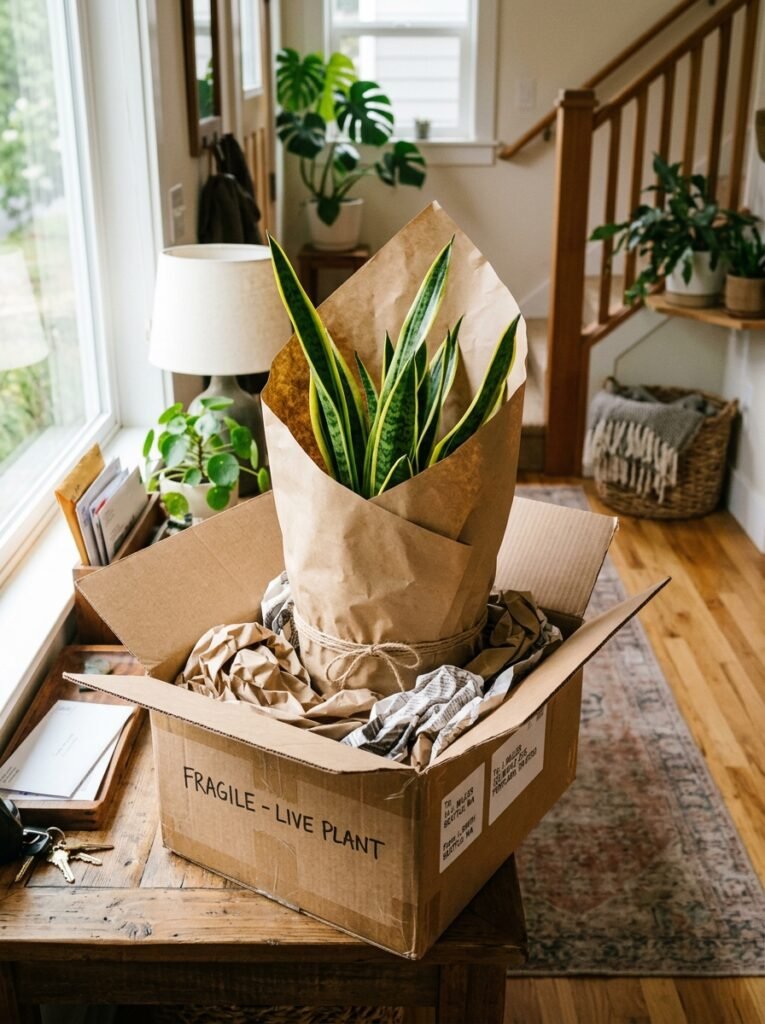
Tropical indoor plants suffer cold shock when exposed to freezing temperatures for even a few minutes. Wrap the foliage in newspaper, place the pots in sturdy boxes, and fill the negative space with packing peanuts or bubble wrap for insulation. Transport indoor plants in the heated cabin of your personal vehicle, never in the back of an unheated moving truck.
11. Prepare Hot Beverages

Maintaining energy and core body temperature makes a long day of lifting significantly easier. Pack a large, insulated thermos filled with hot coffee, tea, or cider, along with a stack of disposable cups. Having immediate access to warm drinks keeps you and any friends helping you move comfortable and focused.
12. Evaluate Professional Movers
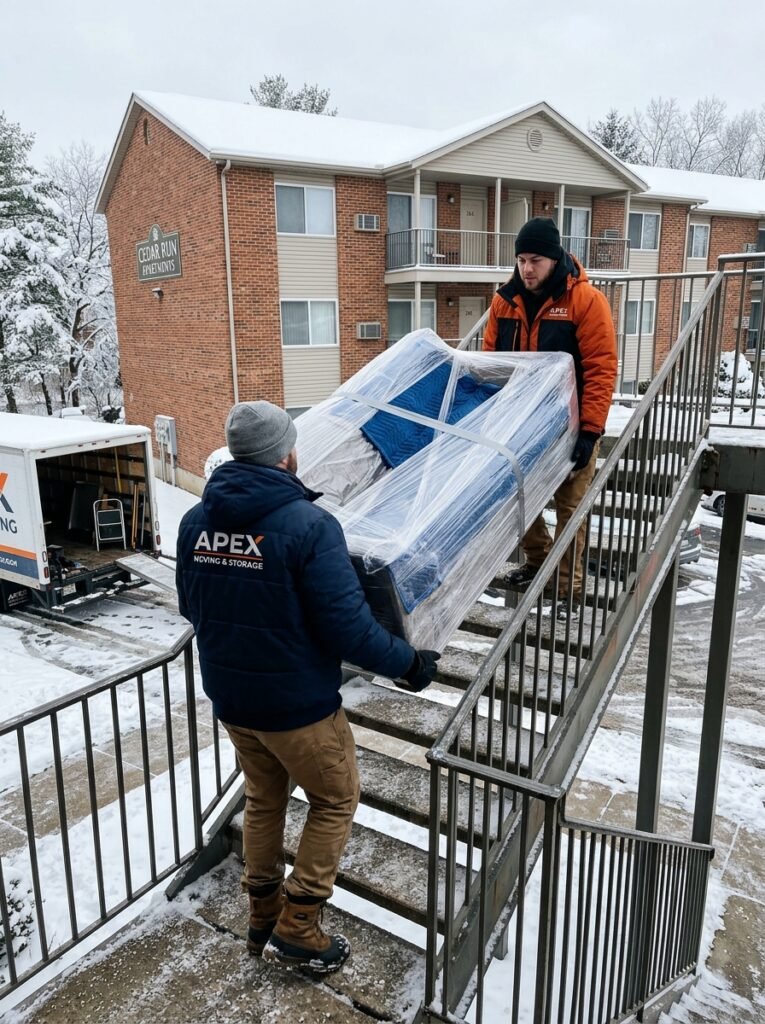
If your budget permits, hiring professionals for a winter relocation provides significant advantages. Experienced moving companies have the equipment to navigate icy stairs safely and carry insurance that covers damage during transit. When vetting companies, explicitly ask about their winter weather policies, cancellation fees, and whether they provide floor protection as part of their standard service.
13. Stock Winter Prep Items
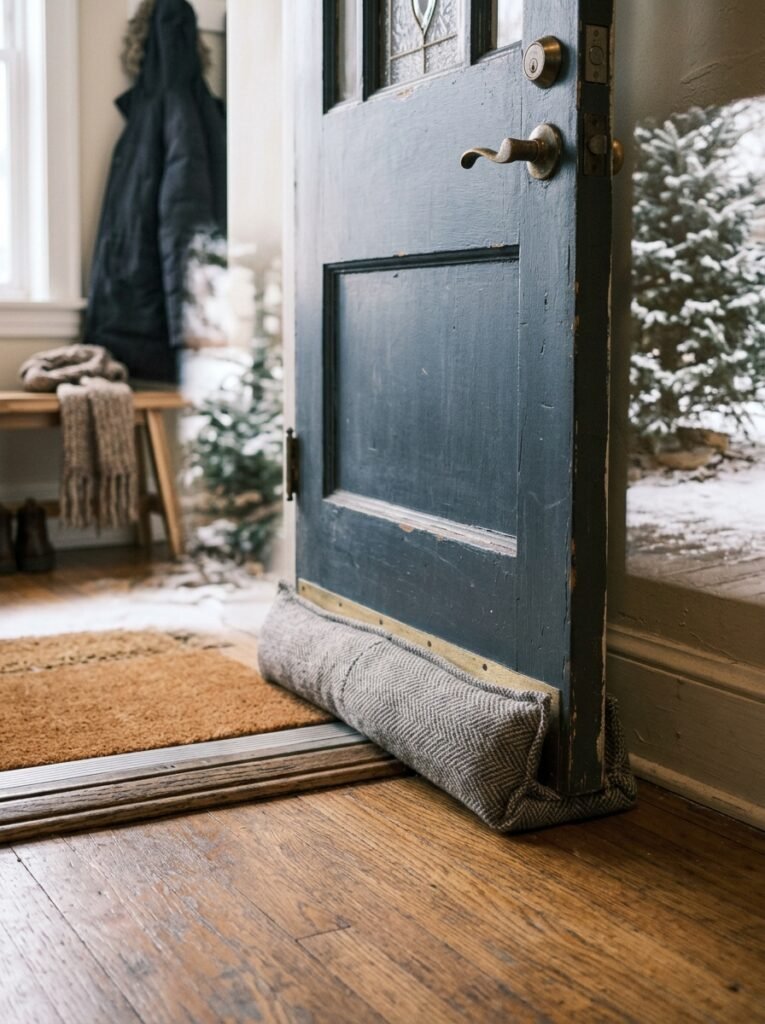
Drafty windows and poor insulation are common in older rental buildings. A comprehensive first apartment checklist winter edition should prioritize immediate climate control. Pack draft stoppers for the exterior doors, a humidifier to combat dry winter air, and window insulation film kits. These small budget-friendly home upgrades keep the apartment comfortable and reduce early heating costs.
14. Build a Cozy Aesthetic

Once the boxes are unloaded, prioritize warming up the physical space. Achieving a cozy first apartment aesthetic helps offset the harsh weather outside. Unpack heavy affordable area rugs to insulate cold floors, hang thermal blackout curtains to block window drafts, and set up warm-toned ambient lighting before tackling the rest of the unpacking.
Comparing Winter and Summer Moving Needs
| Consideration | Summer Move | Winter Move |
| Ideal Start Time | Early morning (to beat the heat) | Mid-morning (after ice melts, before dusk) |
| Floor Protection | Light mats for dust | Heavy-duty plastic tarps for snow/salt |
| Box Material | Plastic bins or standard cardboard | Thick cardboard (plastic shatters in cold) |
| Vehicle Prep | Check A/C and coolant | Pack ice melt, shovel, and check tire tread |
| HVAC Strategy | Run A/C, prop doors open | Keep doors closed, use a staging area |
FAQ
What are the most important first apartment essentials winter renters need?
Beyond standard furniture, winter renters need draft stoppers for doors, heavy-duty floor mats to catch snow, a reliable snow shovel, calcium chloride ice melt, an emergency flashlight, and a portable space heater in case the building’s radiator or furnace struggles during a cold snap.
How do I protect my furniture when moving in the snow?
Wrap all upholstered furniture, mattresses, and wooden tables in thick, waterproof moving blankets, then secure them entirely with heavy-duty shrink wrap. This double-layer approach prevents snow and moisture from seeping into the fabric or warping the wood during the transit from the truck to the building.
Should I turn the heat on before moving in?
Yes. You should contact the utility company to have the heat turned on at least a day before you arrive. Set the thermostat to a moderate temperature (around 65°F or 18°C). This ensures the pipes will not freeze and provides a warm environment for you to take breaks while unloading the truck.
Is it cheaper to move into an apartment in the winter?
Generally, yes. Winter is considered the off-season for the rental and moving industry. Property managers frequently offer lower base rent or move-in specials (like a month of free rent) to fill empty units, and professional moving companies often charge lower hourly rates due to decreased demand.
What are the best moving hacks for cold weather?
Keep a designated thermos of hot water or coffee readily available, use hand warmers inside your work gloves, and keep a clean, dry pair of socks and boots in your car. Always clear and salt the walking path before carrying the first box, and leave electronics boxed up inside for 24 hours to prevent condensation damage.
Conclusion
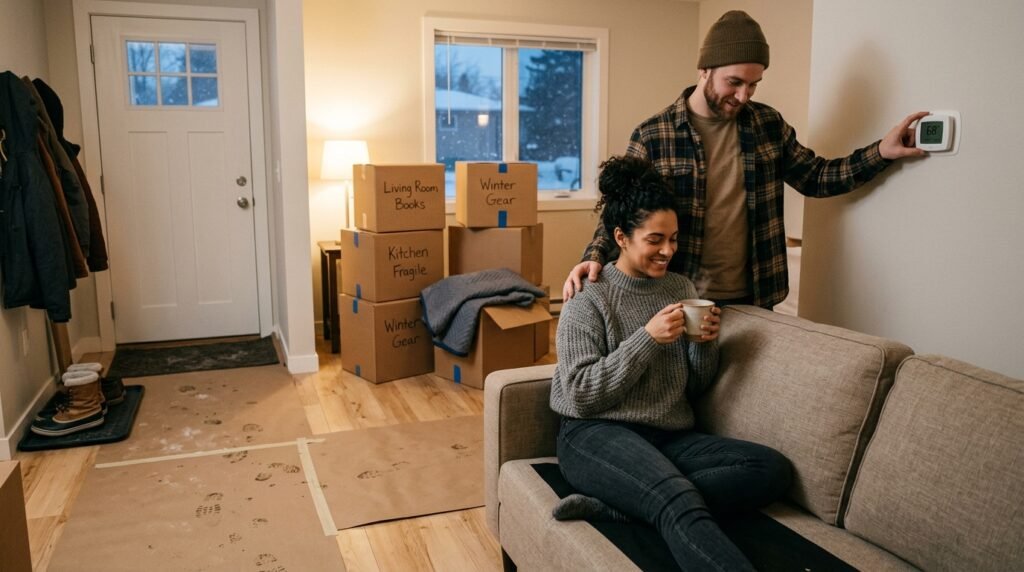
Executing a successful move during the coldest months of the year depends entirely on proactive preparation. By verifying your utilities, securing the right packing materials, and utilizing common-sense winter moving tips, you can protect your belongings and your new rental unit from weather-related damage. Keep your floor protection heavy-duty, monitor the forecast closely, and prioritize setting up a warm, draft-free environment as soon as you walk through the door. If you found this cold-weather moving guide helpful, please save it for your upcoming transition or share it with a friend preparing for their first winter move.

Maren started MyFirstLease after a rough first lease taught him everything the internet didn’t. He covers the logistical side of renting — move-in checklists, utilities, and the unglamorous first-week stuff nobody explains — and oversees everything published on the site.