Stepping off a loud elevator, navigating a dim, echoing concrete hallway, and listening to three different neighbors slam their doors simultaneously can make city living feel exhausting. If you are craving fresh air, mature trees, and a front door that opens directly to the outside world rather than a stale indoor corridor, you might be looking for a change of pace.
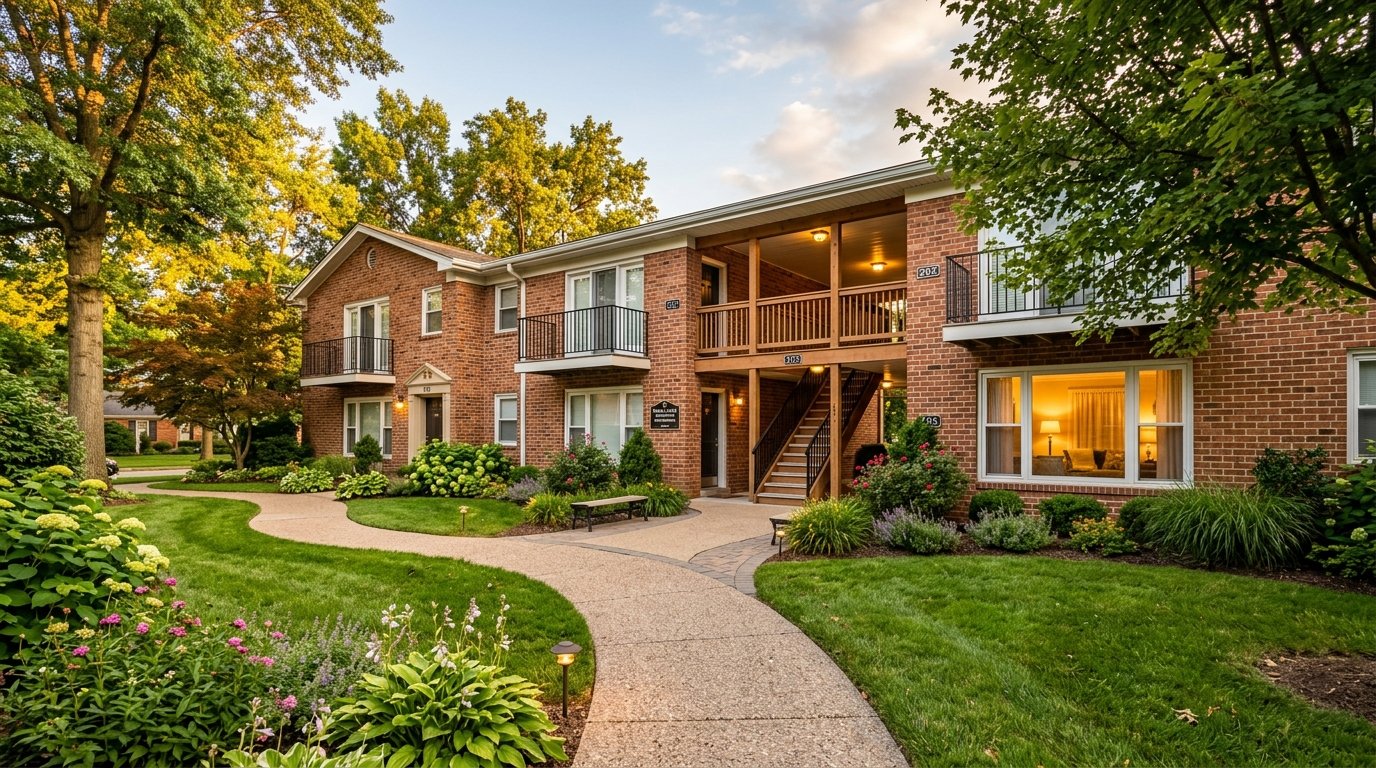
A garden-style apartment is a low-rise residential building (typically one to three stories) set within expansive, landscaped grounds, where units usually feature exterior open-air breezeways or private ground-floor entrances. Instead of towering over a city block like a concrete high-rise, these communities prioritize open lawns, walking paths, and a relaxed, neighborhood feel—all without sacrificing everyday convenience.
The Diagnostic Section: Is This Vibe Right For You?
Before scrolling through real estate listings or paying a single application fee, run through this quick three-question fit test to see if low-rise community living matches your daily lifestyle:
- Do you despise elevators and shared indoor hallways? If you prefer walking up a single flight of outdoor stairs or stepping straight onto grass from your front door, this setup fits your routine.
- Are you willing to trade rooftop pools and concierge desks for lower rent and square footage value? Garden complexes focus their budgets on land and breathing room rather than luxury high-rise amenities.
- Do you mind minor outdoor elements like seasonal leaf-blowing or walking a few extra yards from your car? Because these spaces are integrated with nature, exterior exposure is part of the package.
If you answered yes to the first two, keep reading. You are an ideal candidate for this style of living.
What Makes a Building “Garden-Style”? (The Anatomy)
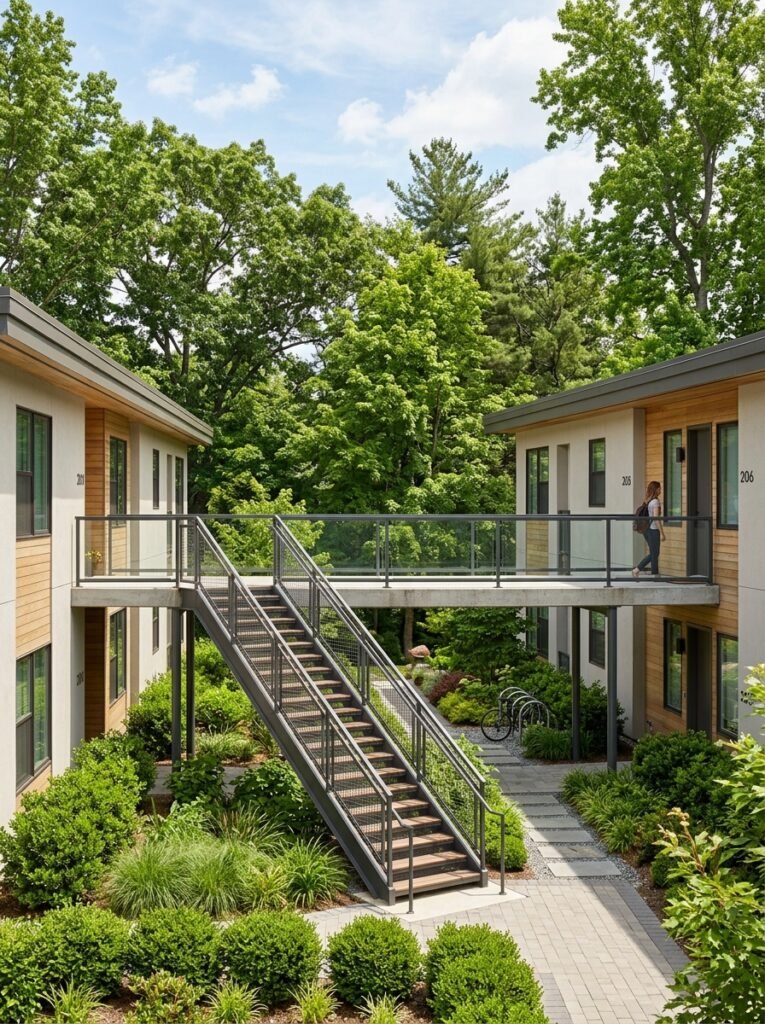
To understand what you are touring, it helps to look at the physical architecture. Garden-style apartments are defined by specific structural choices that separate them from mid-rise or high-rise developments:
- Low-Rise Layouts: Buildings are intentionally capped at one to three stories to keep human-scale proportions and eliminate the need for costly, mechanical elevators.
- Exterior Breezeways and Staircases: Instead of indoor corridors, you access second- and third-floor units via open-air metal or concrete stairwells and exterior walkways.
- Surface Parking Lots: Rather than subterranean parking garages, parking is handled via open-air surface lots that wrap around the buildings, often positioning your car much closer to your actual front door.
- Central Green Space: The footprint of the property dedicates a massive percentage of land to courtyards, grass lawns, trees, and shared outdoor seating areas rather than building coverage.
The Major Perks of Living in a Garden-Style Complex
Renters gravitate toward garden-style apartments for specific lifestyle advantages that dense urban developments simply cannot replicate:
- A Quiet, Tranquil Atmosphere: Positioned away from dense urban cores and surrounded by sound-absorbing lawns and trees, these communities offer significantly lower ambient noise levels.
- Direct Proximity to Nature: Stepping outside immediately puts you on grass, near shade trees, or along walking paths—ideal for remote workers needing a quick midday mental reset.
- Enhanced Everyday Privacy: With fewer units per building and no shared interior apartment walls echoing hallway footsteps, your living space feels isolated and personal.
- Better Space-for-Money Value: Because low-rise wood construction is cheaper to maintain than skyscraper steel and glass, rent prices per square foot are typically much more forgiving on a monthly budget.
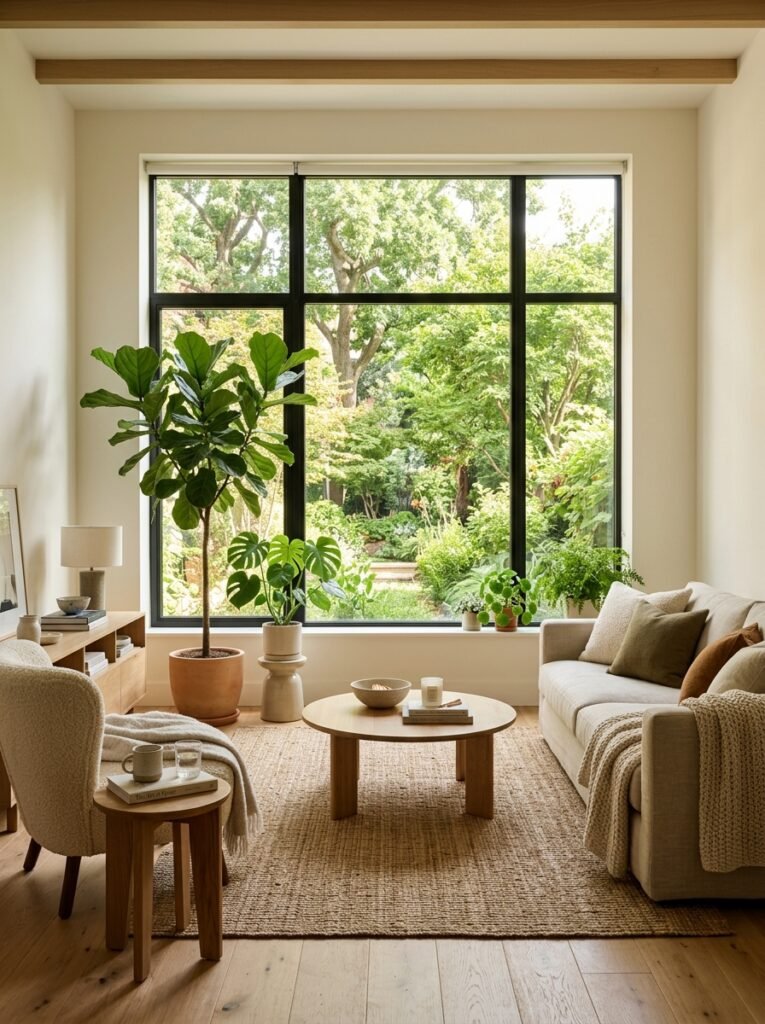
While the green lawns look great in photographs, every housing style comes with compromises. Review how garden-style apartments stack up against traditional high-rise complexes:
| Feature | Garden-Style Apartments | High-Rise Complexes |
| Noise Levels | Low street noise, but potential overhead sounds if you live on a ground floor. | High urban street noise, but excellent insulation between side-by-side units. |
| Parking Logistics | Surface lots close to your door, but unassigned or unshaded in bad weather. | Secure subterranean garages, but long elevator walks to your car. |
| Weather & Maintenance | Direct exposure to elements; seasonal landscaping work (lawn mowers, leaf blowers) outside your window. | Climate-controlled indoor environments; maintenance handles exterior issues seamlessly. |
| Amenities | Courtyards, community grills, and low-density open air. | Fitness centers, package lockers, doormen, and rooftop lounges. |
Beyond the table, keep two practical downsides in mind: ground-floor privacy (anyone walking past your window can look right in unless blinds stay closed) and the lack of elevators, which makes moving a heavy sofa or hauling bulk groceries up exterior metal stairs an athletic event.
Garden-Style vs. Garden-Level: Don’t Make This Mistake
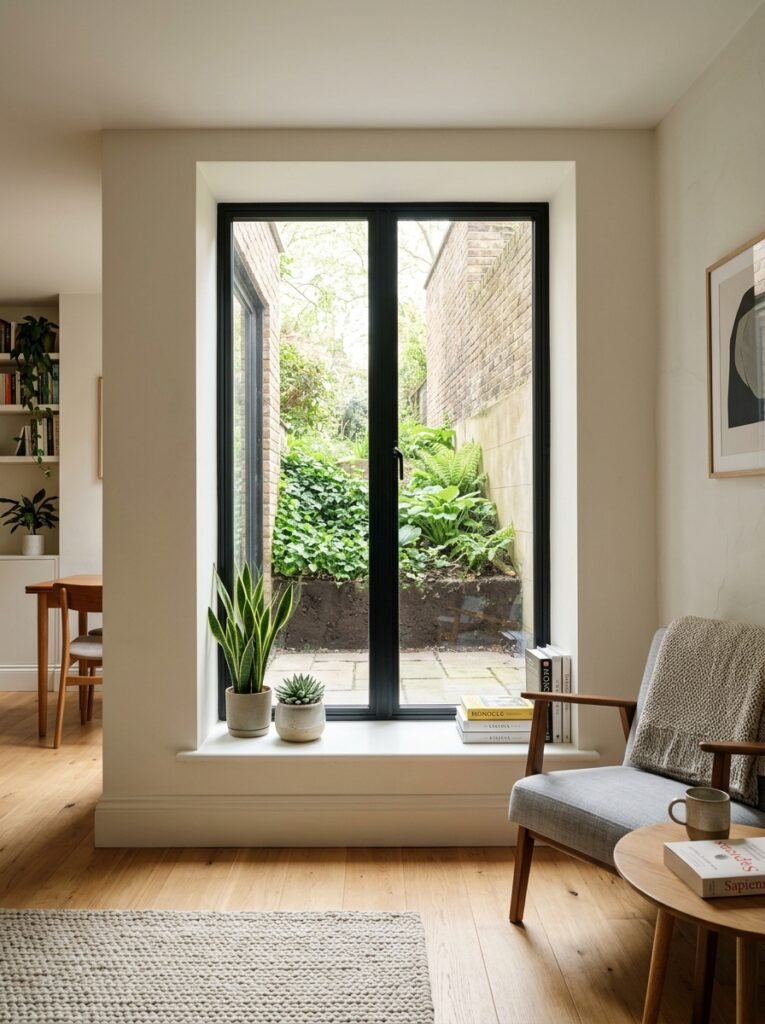
A common pitfall for first-time renters is confusing these two terms, which sound identical but mean entirely different things:
- Garden-Style Apartment: Refers to an entire architectural complex style—low-rise buildings surrounded by landscaping and green spaces.
- Garden-Level Apartment: A polite real estate euphemism for a basement apartment. These units sit partially below ground level, meaning they often feature smaller windows, reduced natural sunlight, and a higher risk of humidity or dampness issues.
Always double-check listing descriptions to ensure you are paying for an open, airy low-rise unit rather than a subterranean space.
The Action Plan: How to Find and Evaluate One
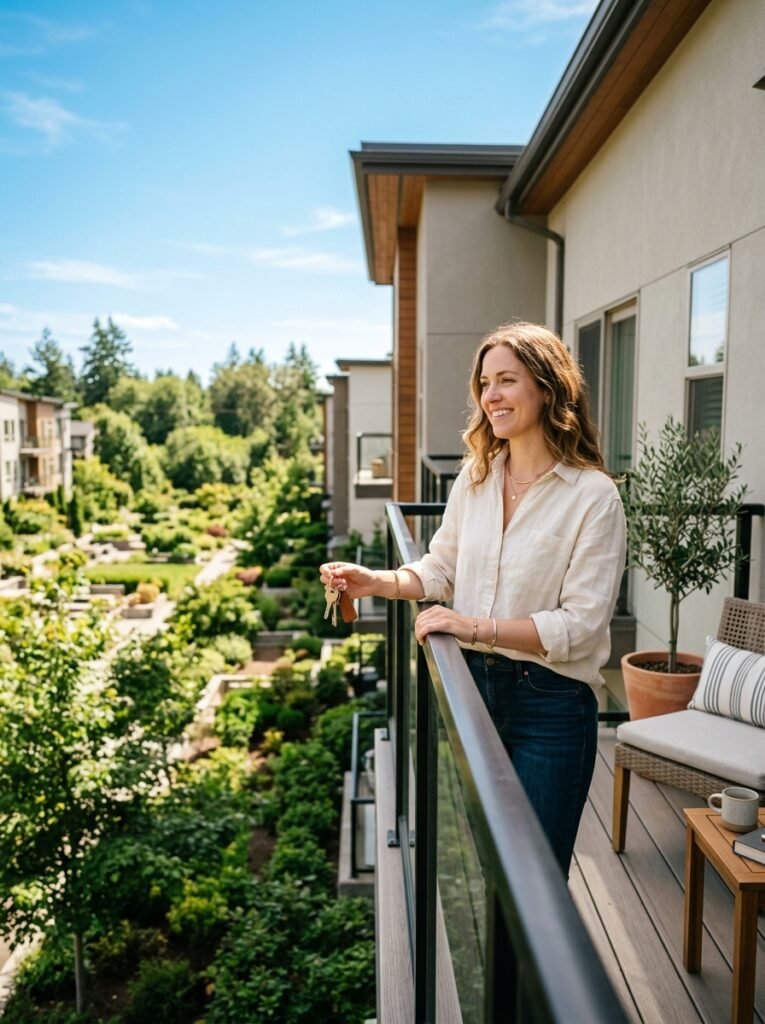
Finding a true garden-style community requires looking past generic downtown listings. Use these tactical steps to track down and vet your next home:
- Use Strategic Search Terms: Skip generic searches. On Zillow or Apartments.com, filter your queries using terms like
low-rise,courtyard community,garden community, or search suburban zip codes just outside major urban rings. - Inspect Window Placement During Tours: If you view a ground-floor unit, stand inside and check what faces your windows. Is it a heavily trafficked walkway where neighbors walk their dogs past your glass every ten minutes? Look for units facing a quiet interior courtyard edge instead.
- Evaluate Parking Proximity at Night: Drive by the complex after 8:00 PM. You want to see how quickly the surface lots fill up and whether you’ll be forced to walk across unlit grounds late at night.
- Prioritize Door Security: Because entry doors face the outdoors directly, check the deadbolts, install a smart doorbell camera (if permitted), and ensure exterior-facing windows have sturdy secondary locks.
Frequently Asked Questions
Do garden-style apartments have elevators?
No. Because these buildings are strictly limited to one, two, or three stories, they do not utilize elevators. Tenants access upper levels exclusively via exterior stairwells and open-air breezeways.
Are garden-style apartments pet-friendly?
Yes, they are exceptionally pet-friendly. The abundance of surrounding grass, open walking paths, and ground-floor entry doors makes walking dogs significantly easier than navigating a high-rise elevator system.
What is the history behind garden-style apartment design?
Originating from the early 20th-century “Garden City Movement” pioneered by urban planners like Clarence Stein and Henry Wright, these complexes were designed to bring human-scale architecture, fresh air, and open green belts to working families, a design philosophy that flourished across American suburbs post-World War II.
Conclusion
Finding a home that balances affordability, privacy, and breathing room doesn’t mean moving an hour outside the city. By understanding the layout realities and trade-offs of low-rise communities, you can secure a peaceful living space that fits your lifestyle. To prepare for your move, explore our guides on [how to calculate true monthly utility costs in an apartment] and [essential questions to ask a landlord before signing a lease].

Maren started MyFirstLease after a rough first lease taught him everything the internet didn’t. He covers the logistical side of renting — move-in checklists, utilities, and the unglamorous first-week stuff nobody explains — and oversees everything published on the site.